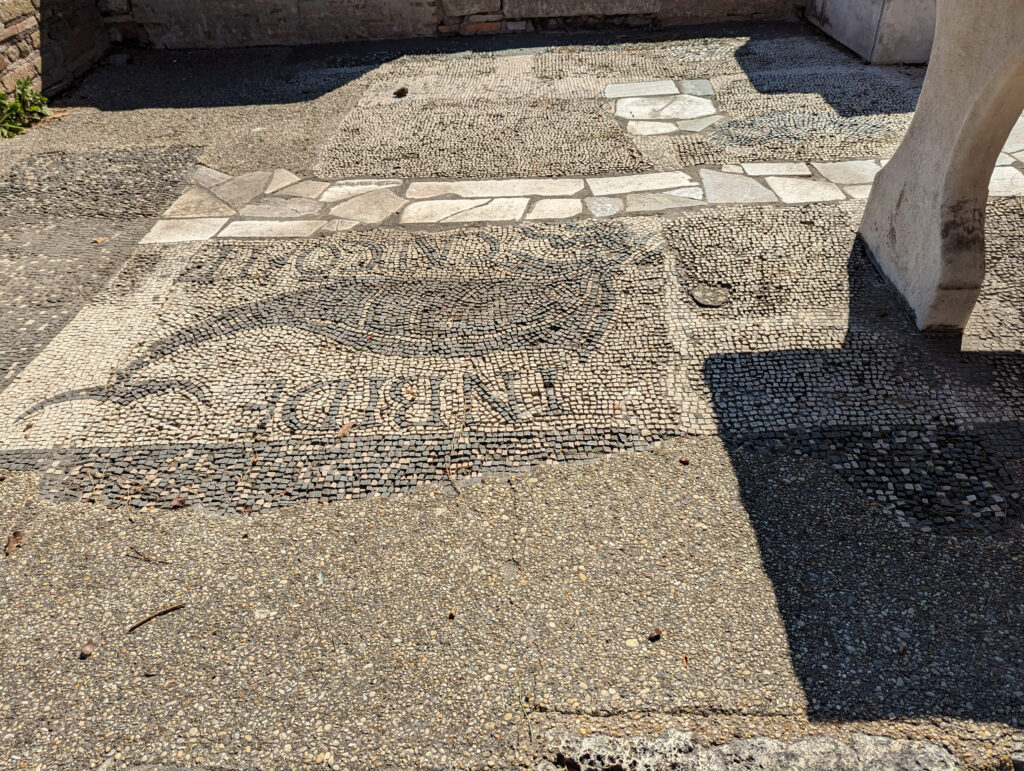
The four horses of the sea whinnied and snapped at one another even while their hooves paddled and their tails flopped behind them. Defying hydrodynamics itself, the ungainly chariot they pulled flew over the waves faster than any fish while Neptune, the superhumanly muscled charioteer, urged them on. About them cavorted bow-wielding tritons, nereids riding dolphins and the monsters of the sea, all thrall to the lord of the waves.
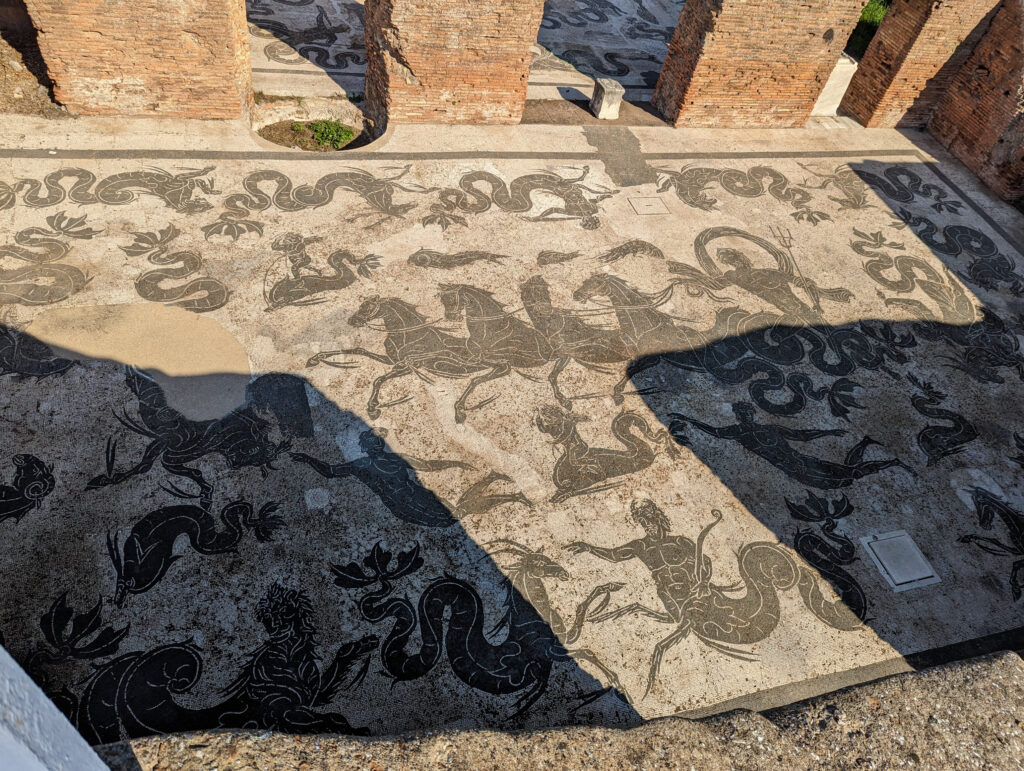
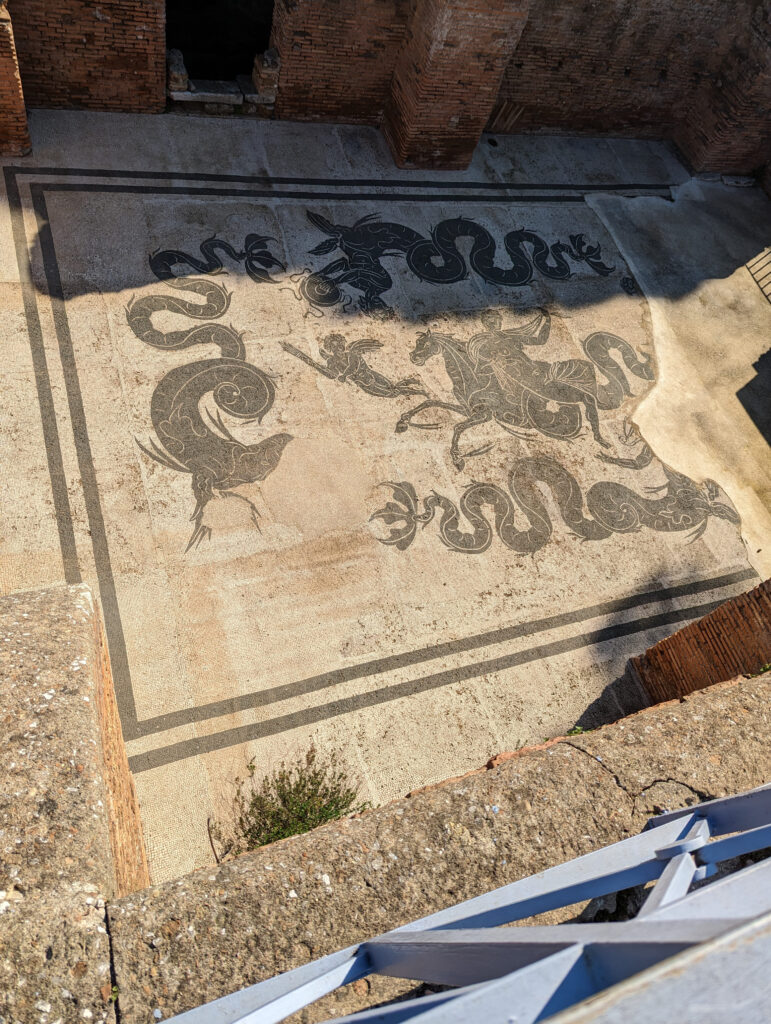
Even as they played, or warred, or were themselves deciding which it was they were about, bathers trampelled them, manhoods floating lazily horizontally as they discussed the day.
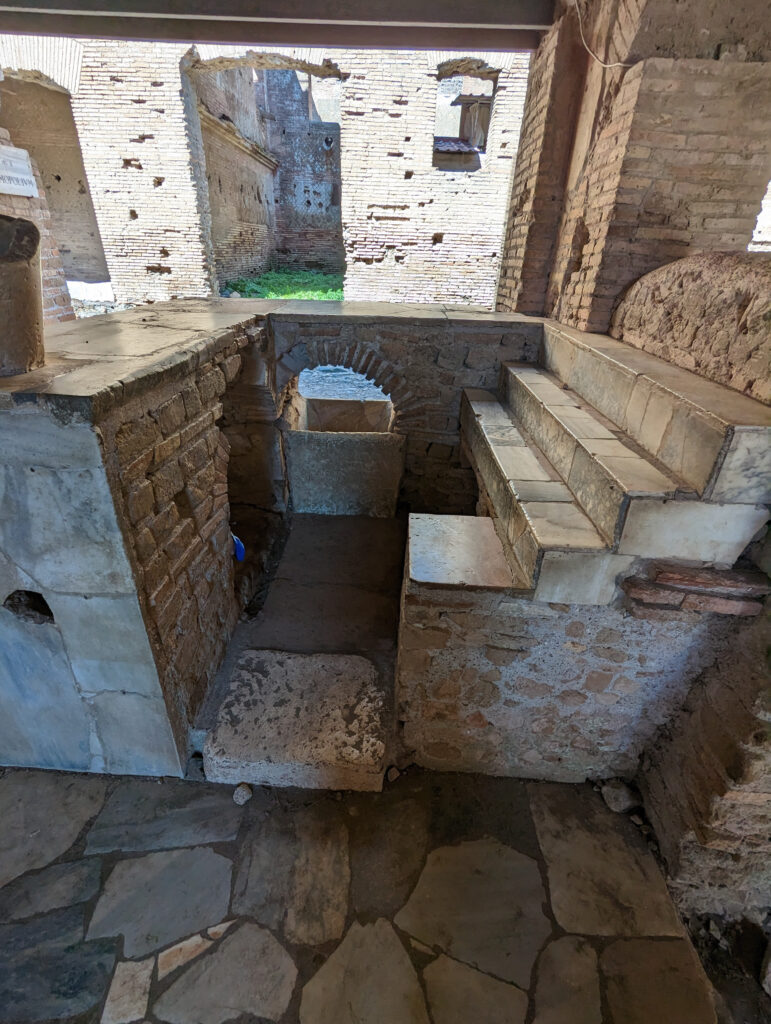
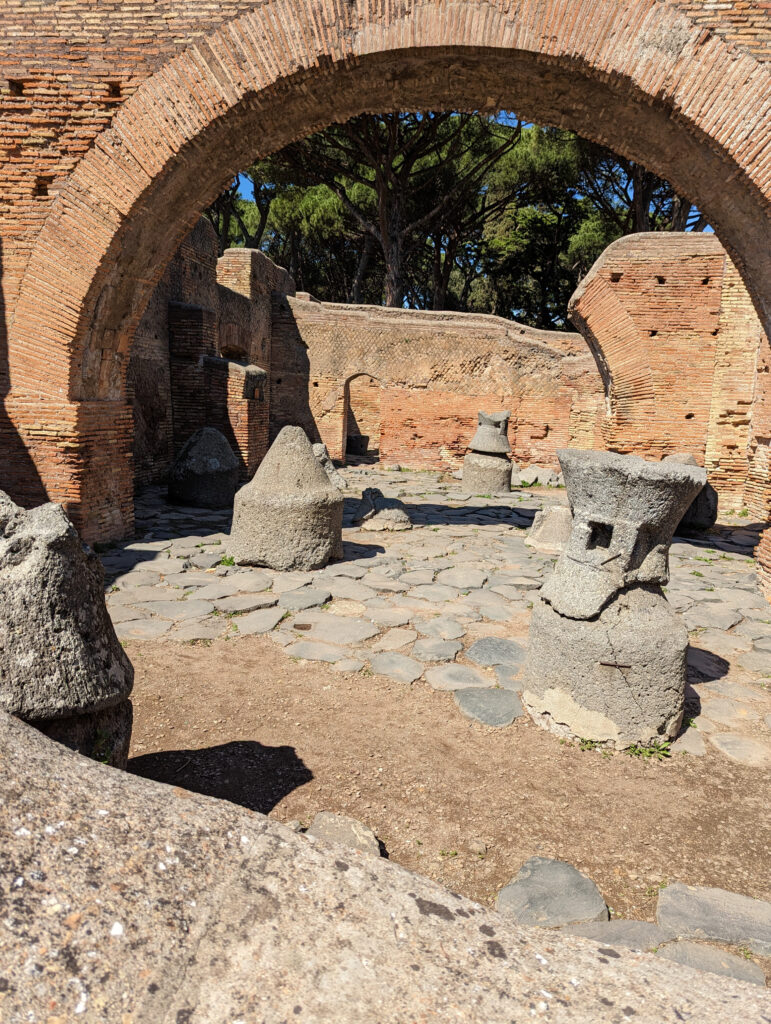
Further afield, shops, bakers baked, innkeepers kept and merchants merchanted.
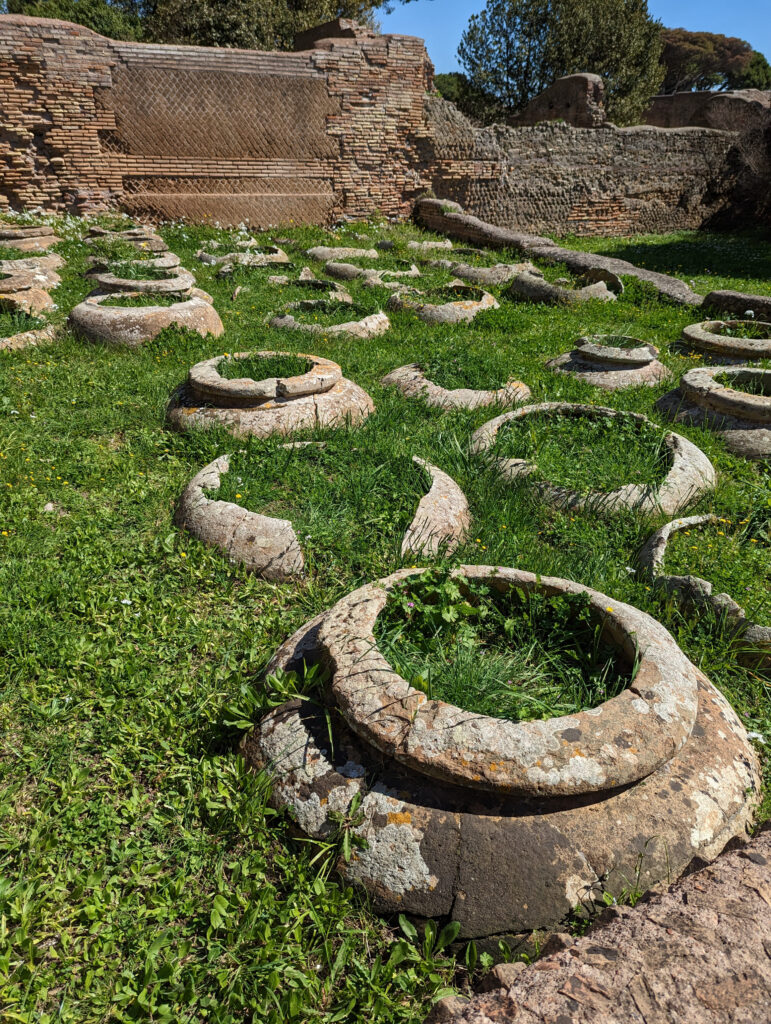
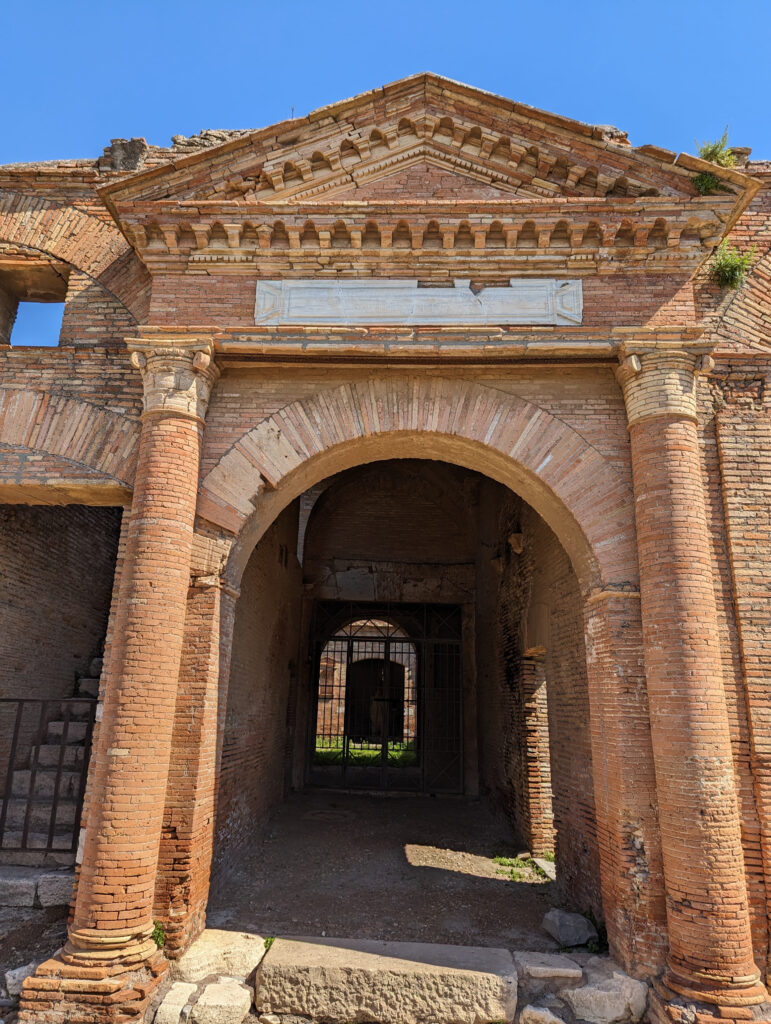
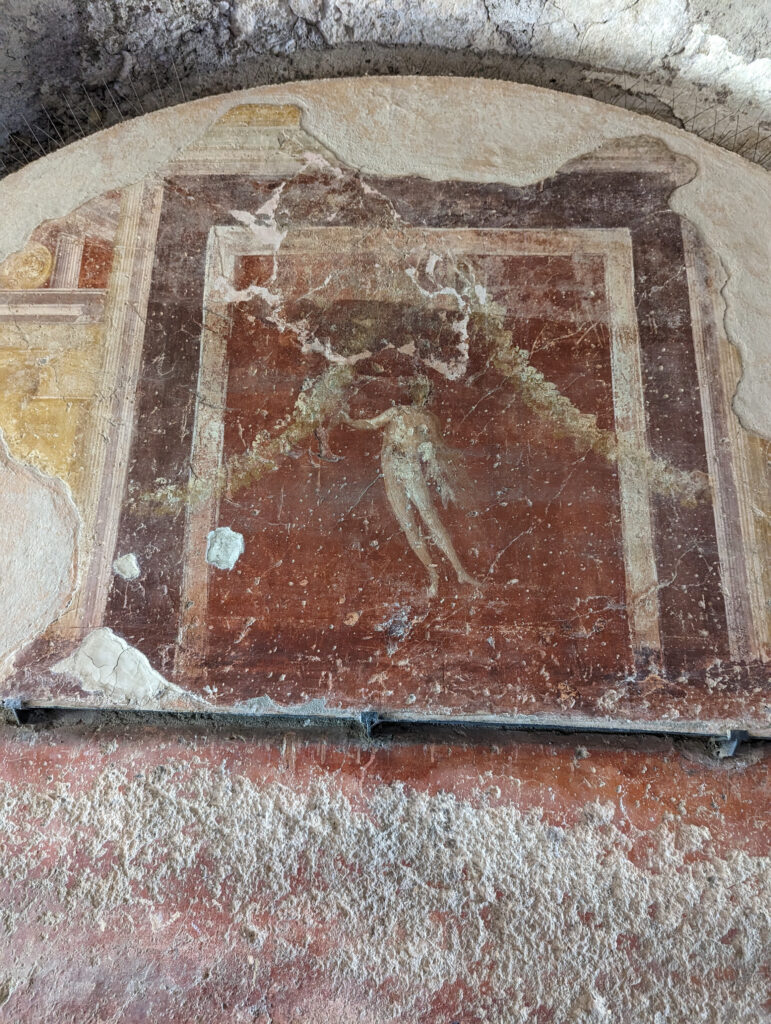
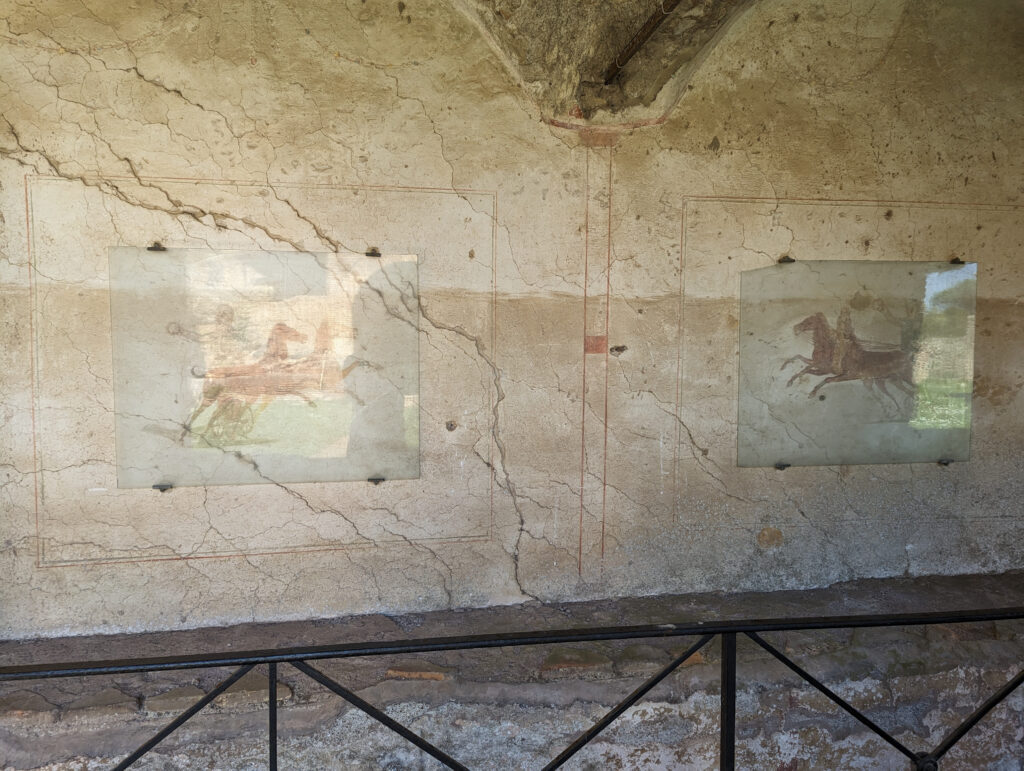
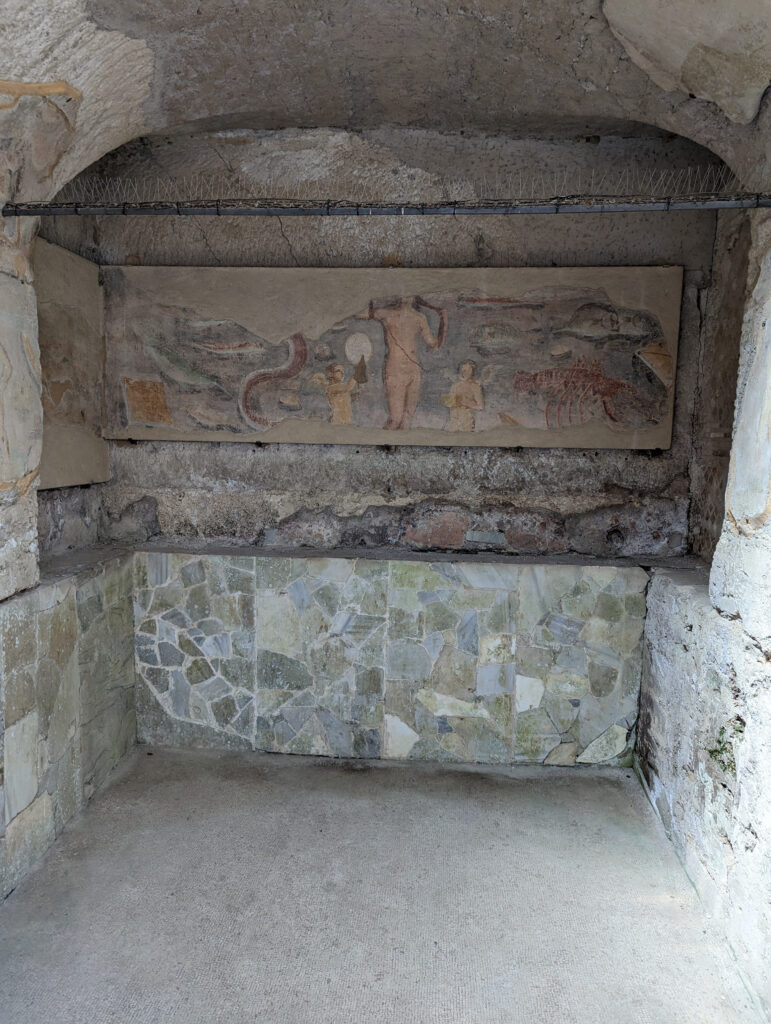
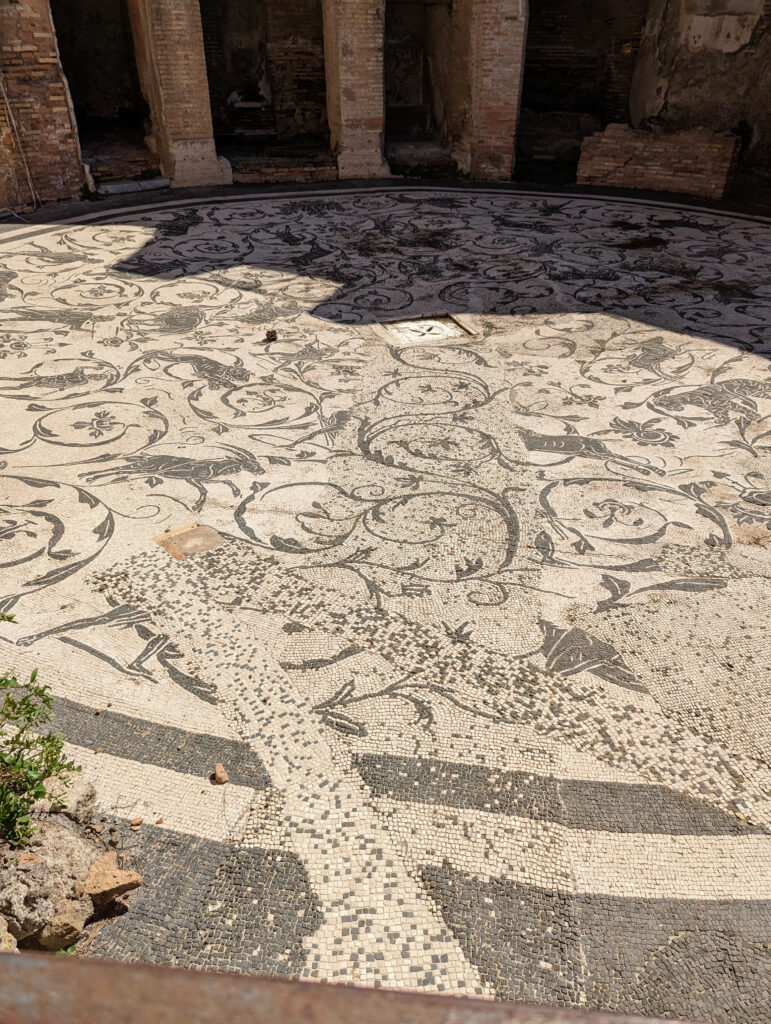
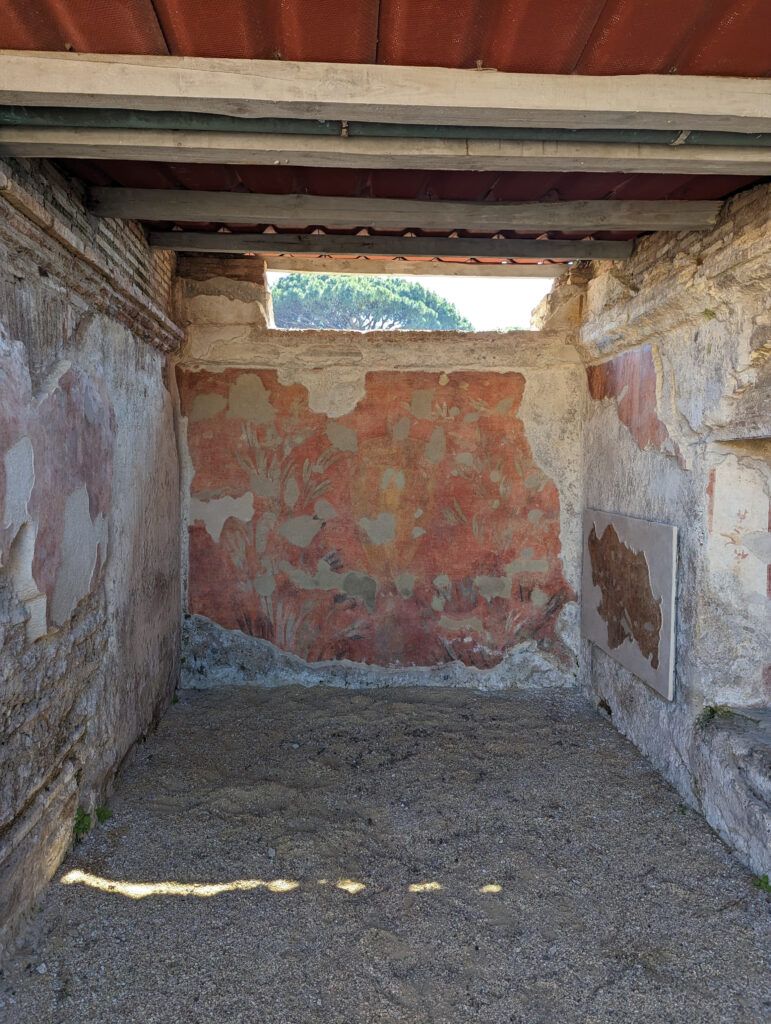
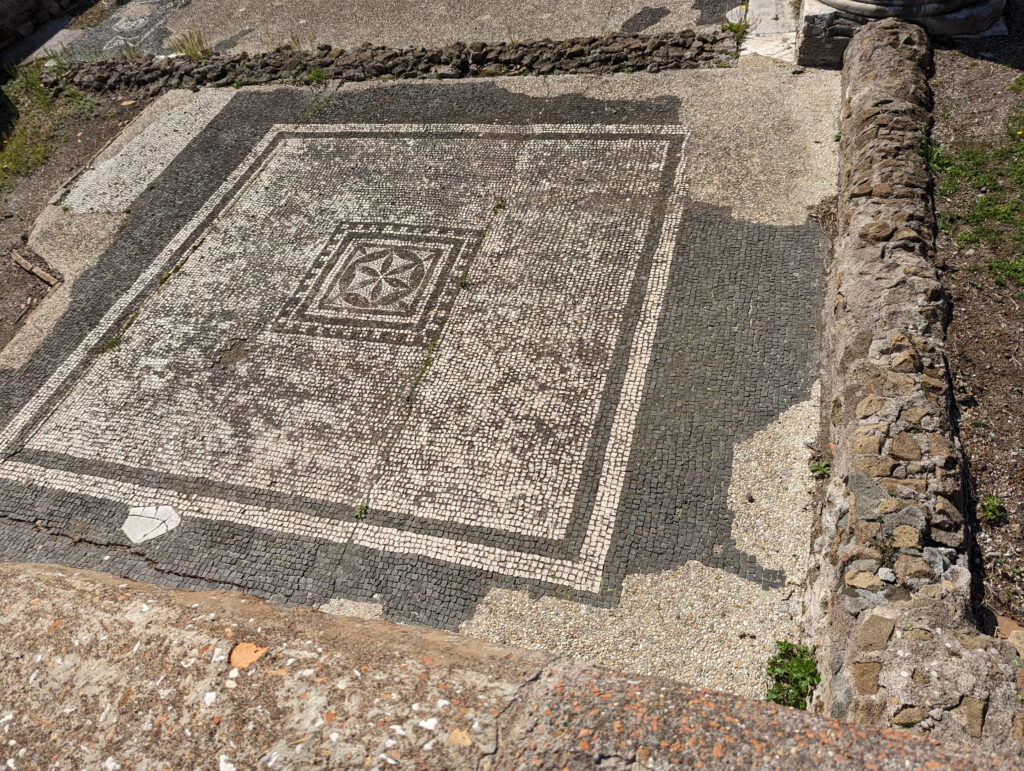
Athletes, near to gods in status, trained their bodies, and actors waited, to enter the stage and reenact the great struggles of good and evil.
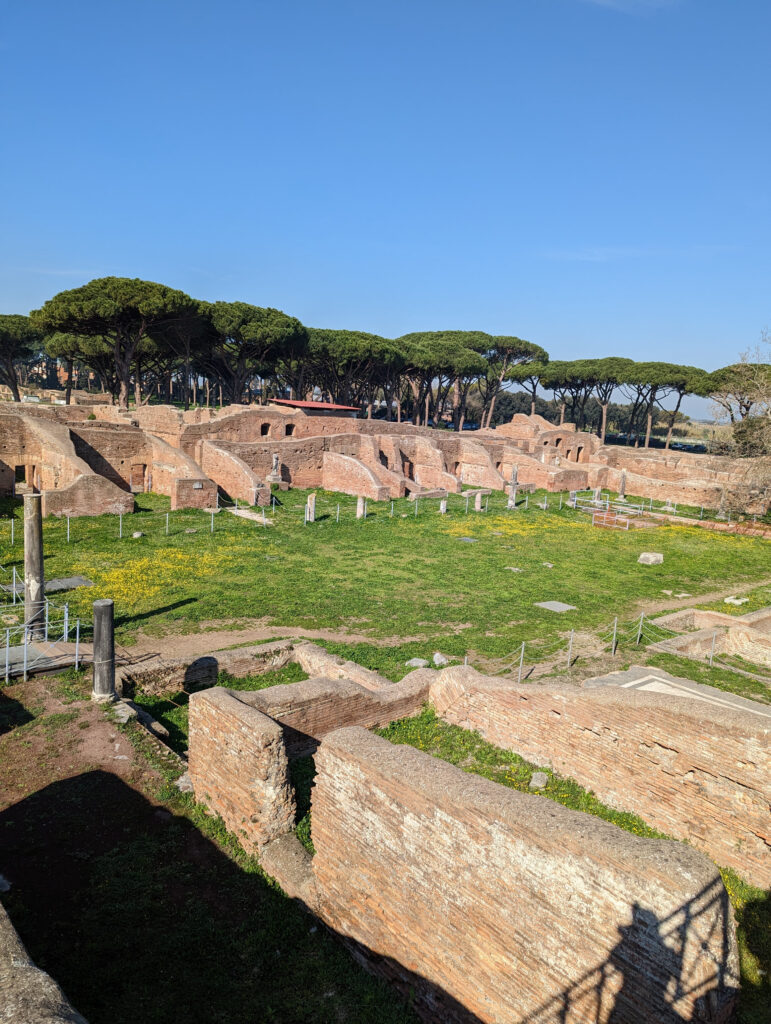
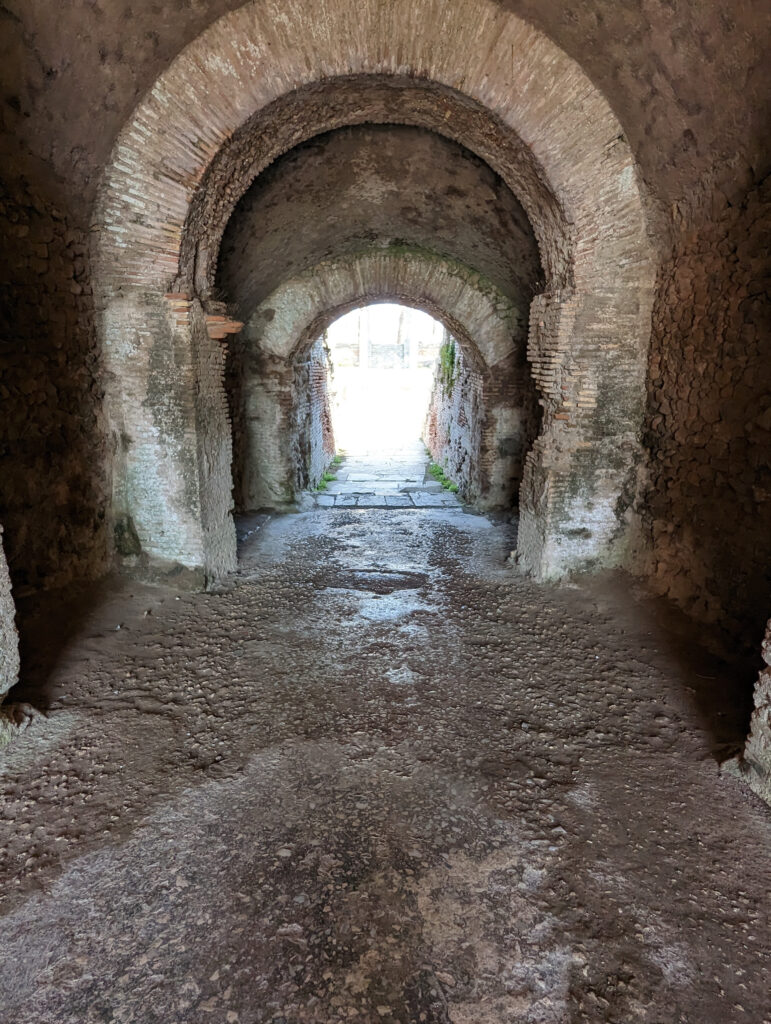
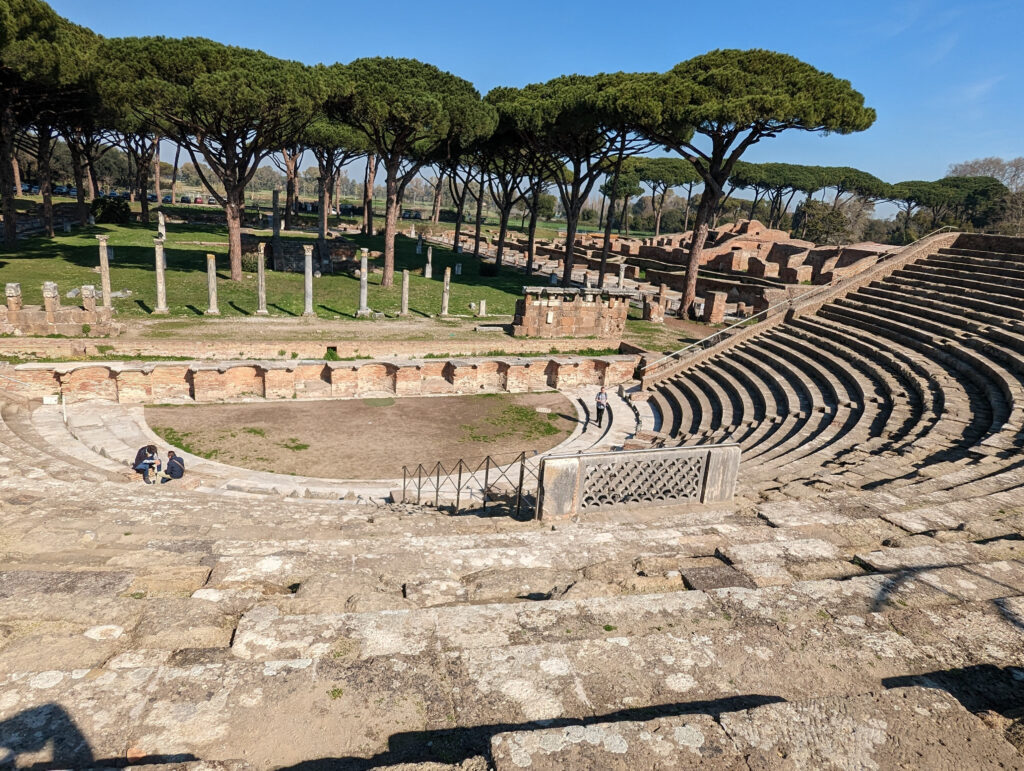
Tombs of stone guarded their dead.
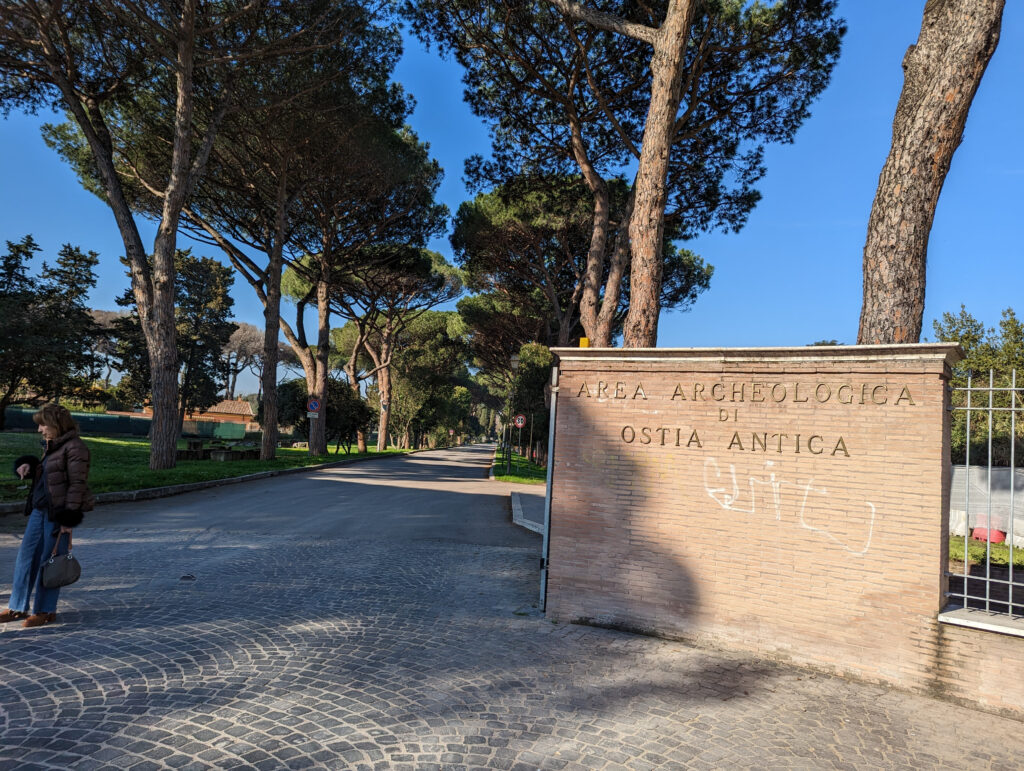
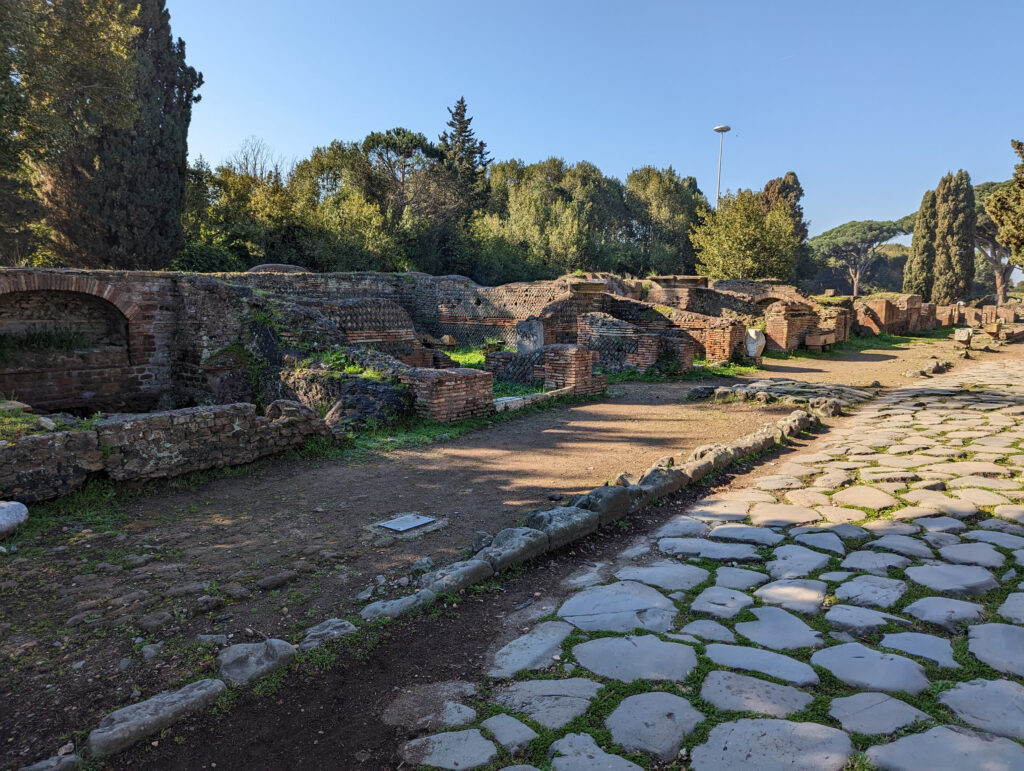
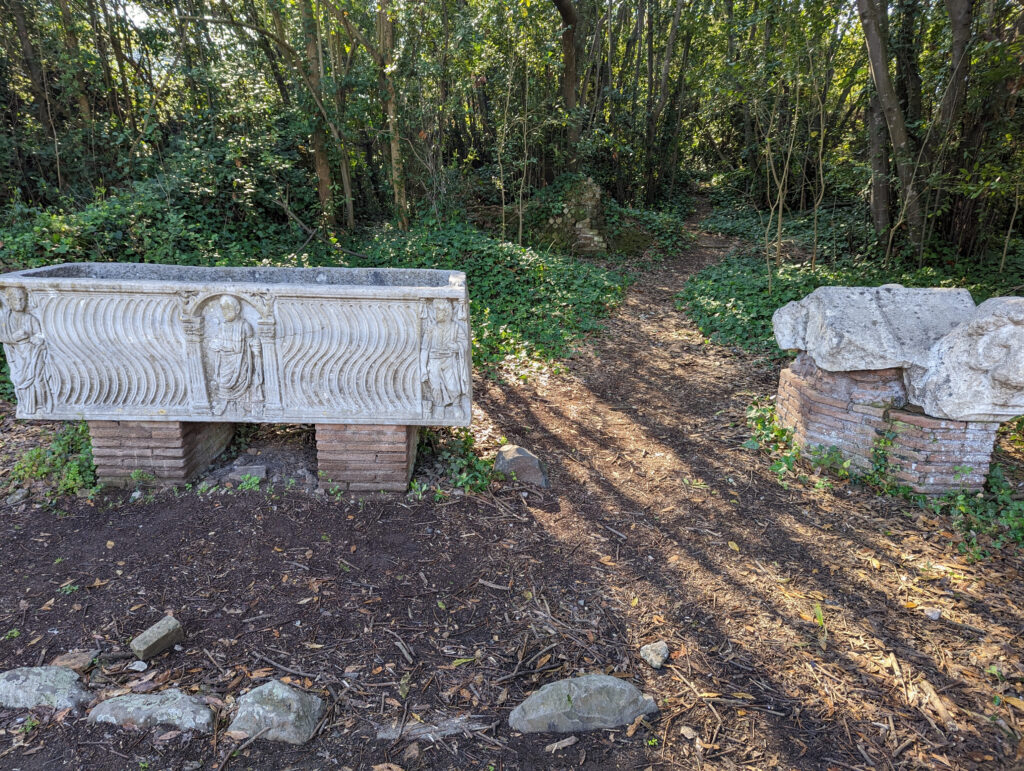
And, far away from the center of town, near the highway, the Jews of the city agreed with one another that Neptune was but a fever dream.
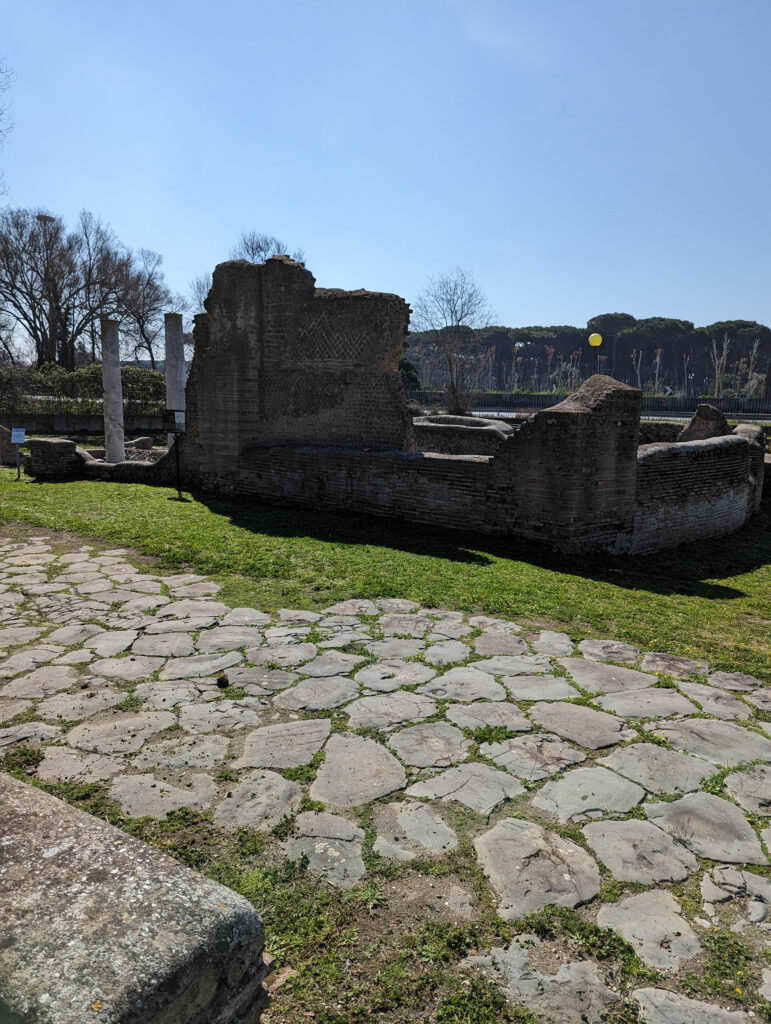
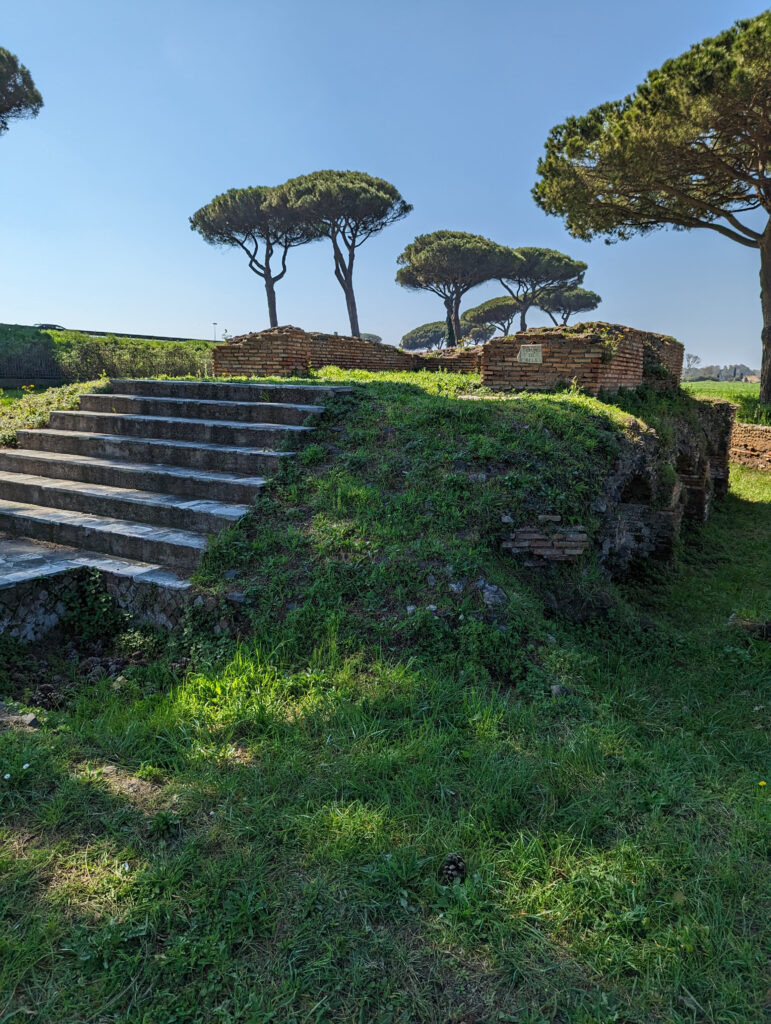
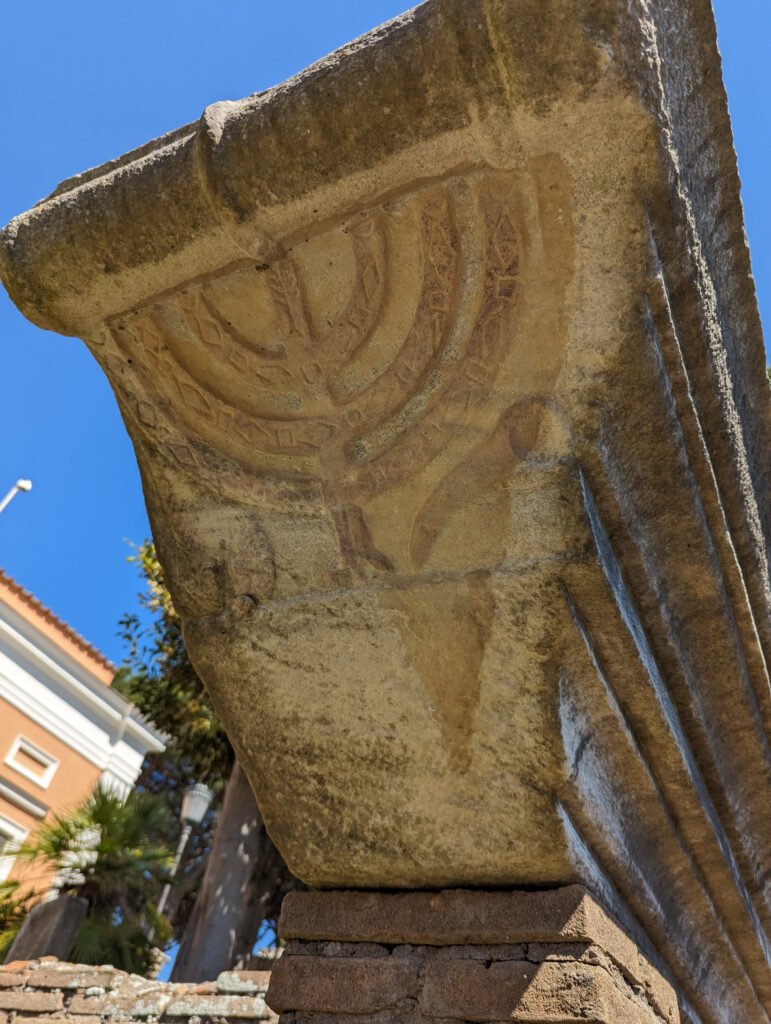
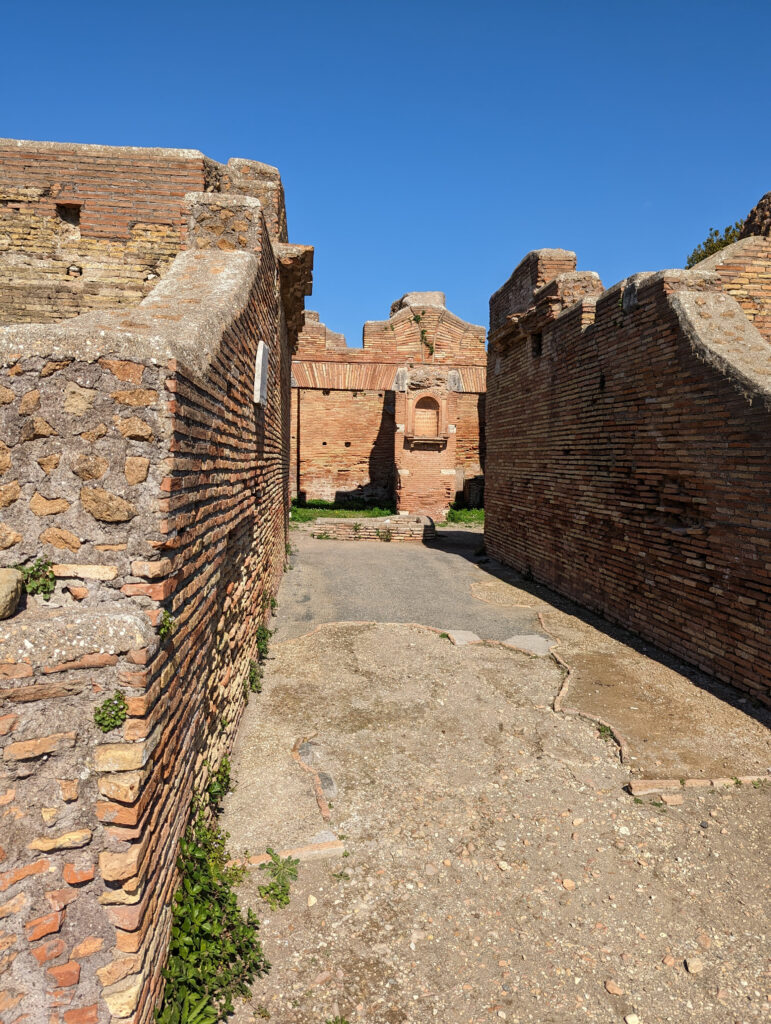
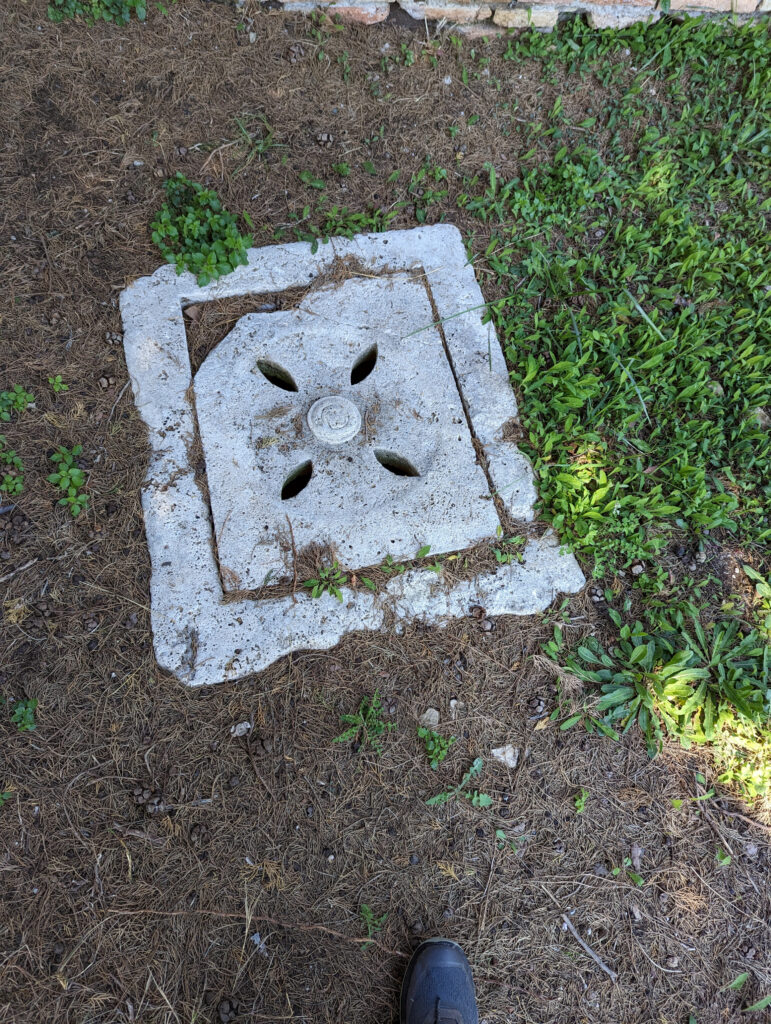
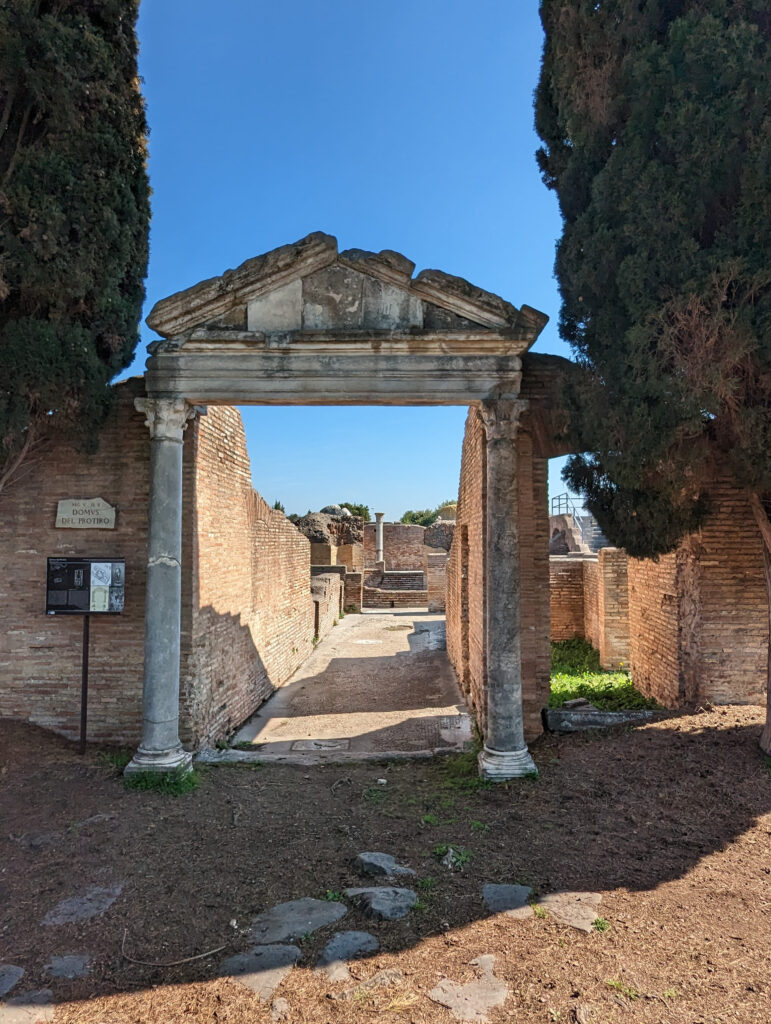
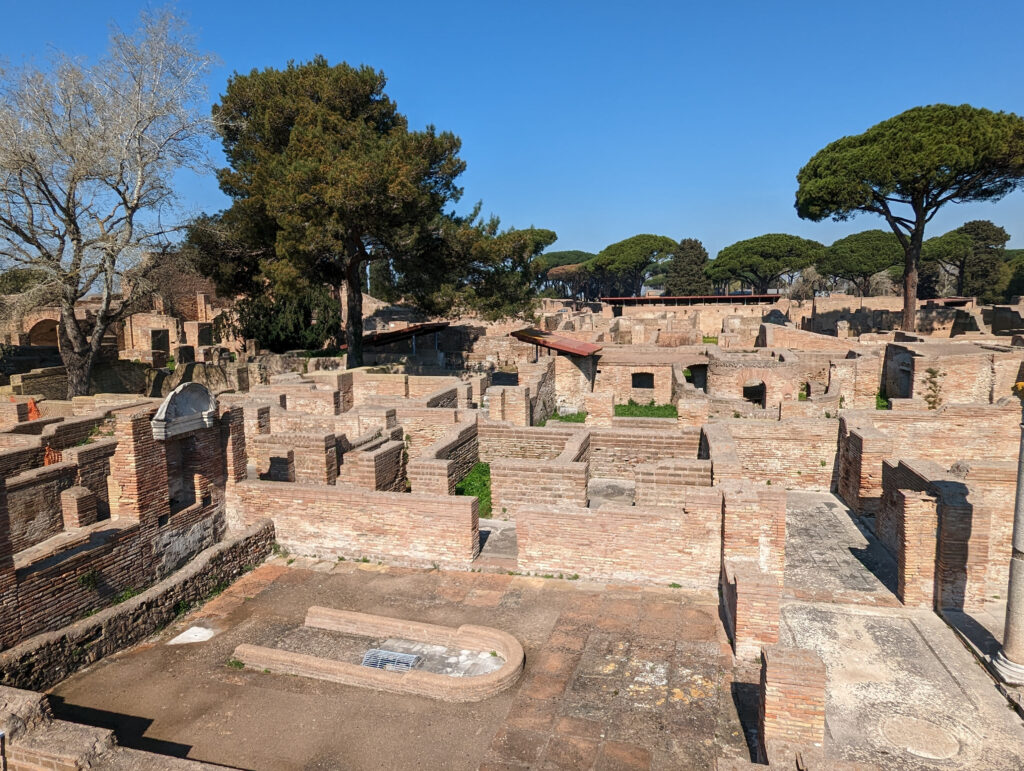
And Freddy, vanquisher, stood on what remained of the crumbling bricks and stones that were once homes, brothels, art, tombs, roads, barracks. The ancient Roman port of Ostia fell away beneath, every moment lessened by his footsteps and by those of the Italian schoolchildren forced to come and inhale the dust of their ancestors.
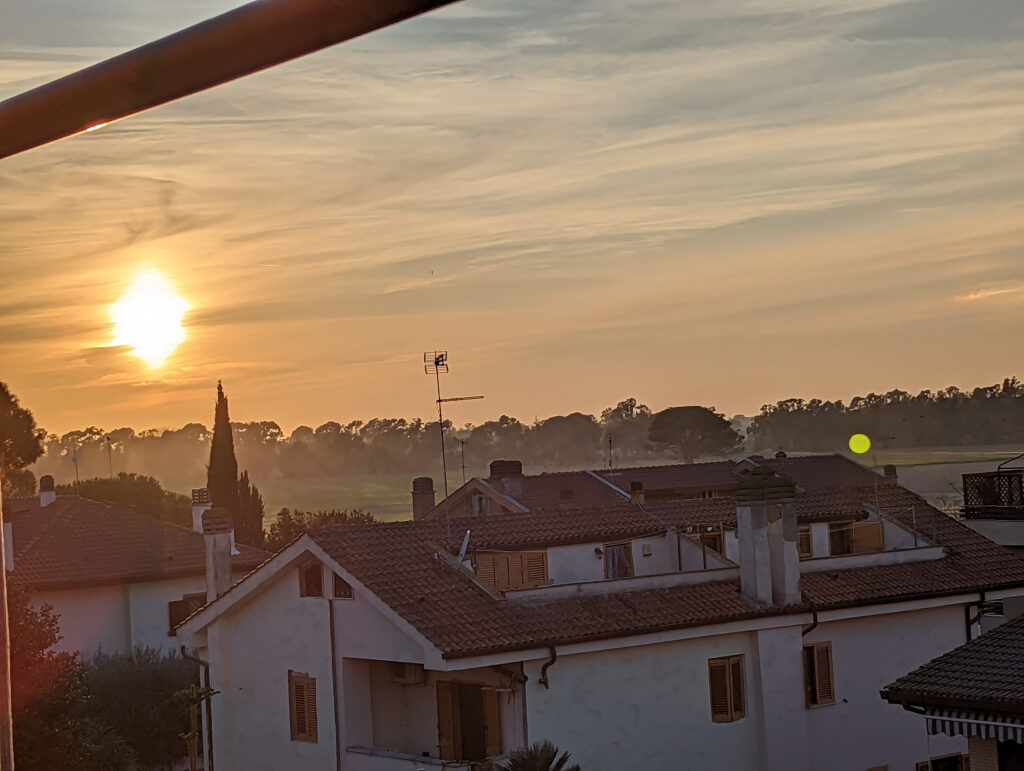
Later, he stood in his room, staring at the trees that hid the Tiber from his view.
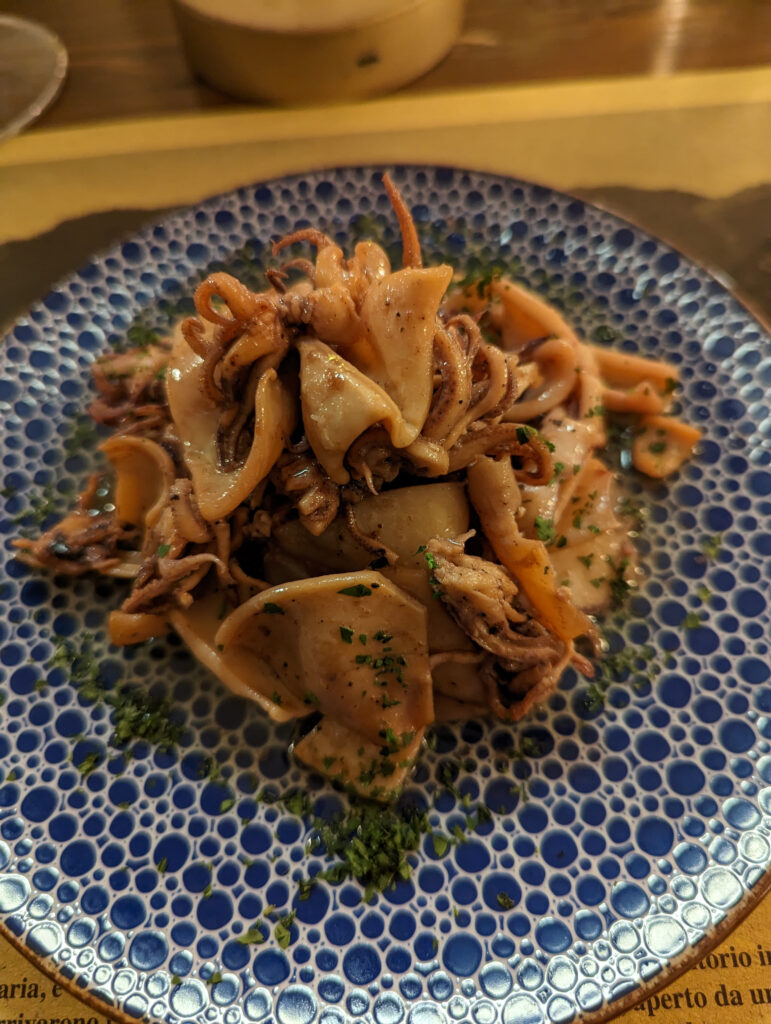
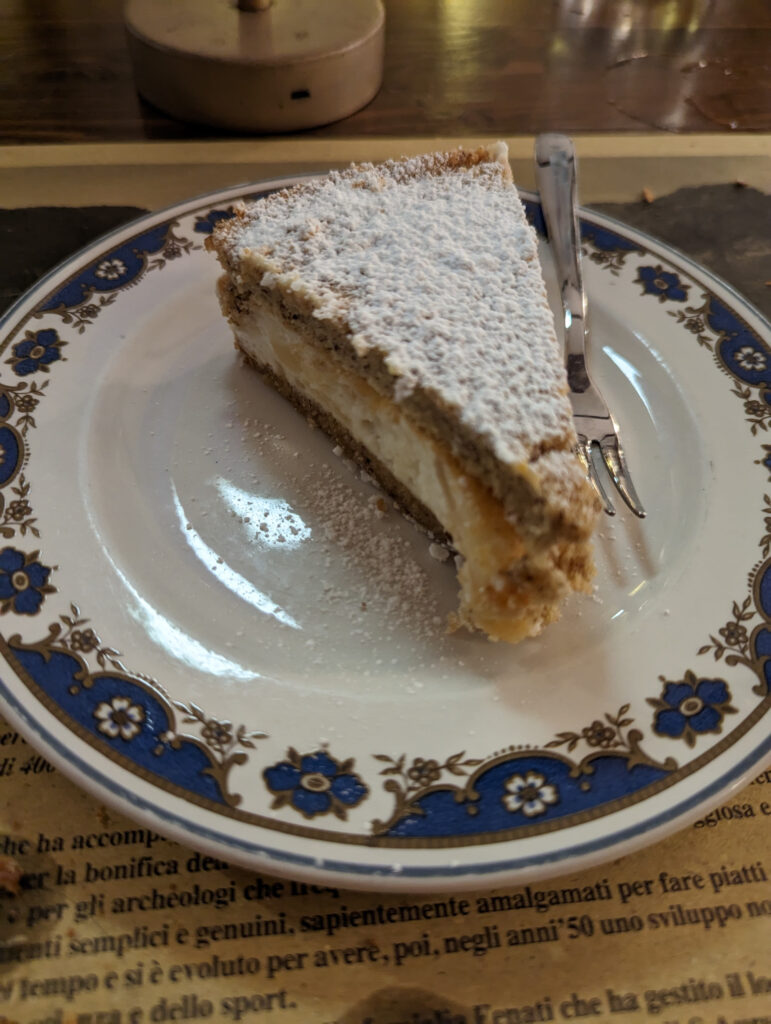
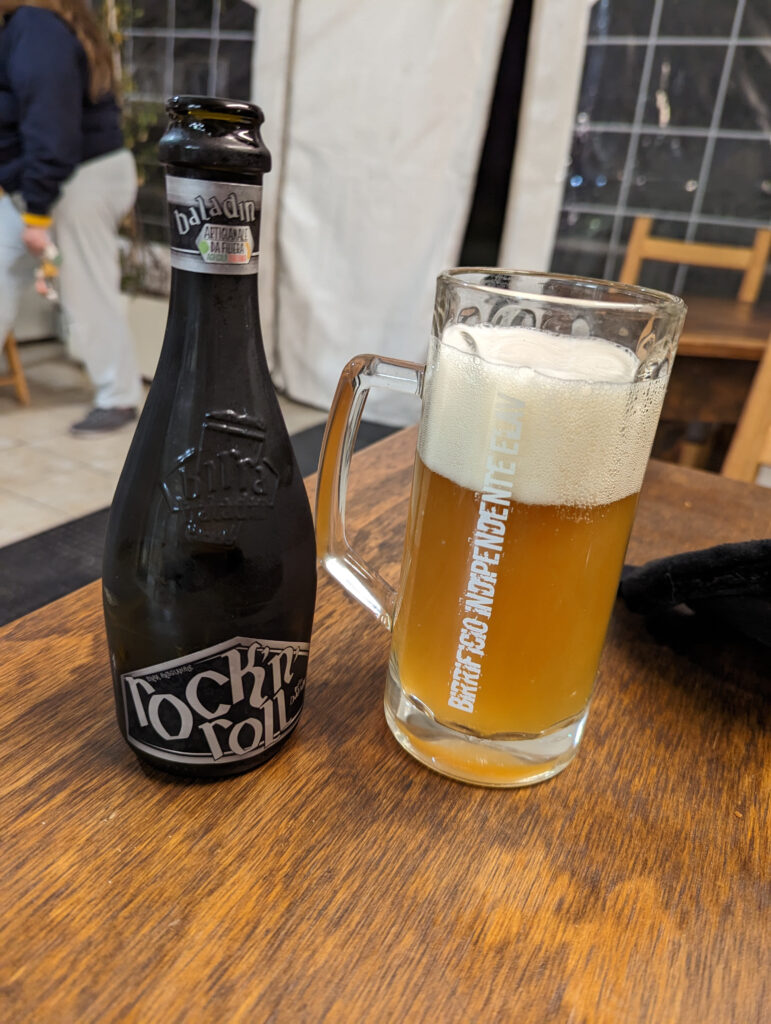
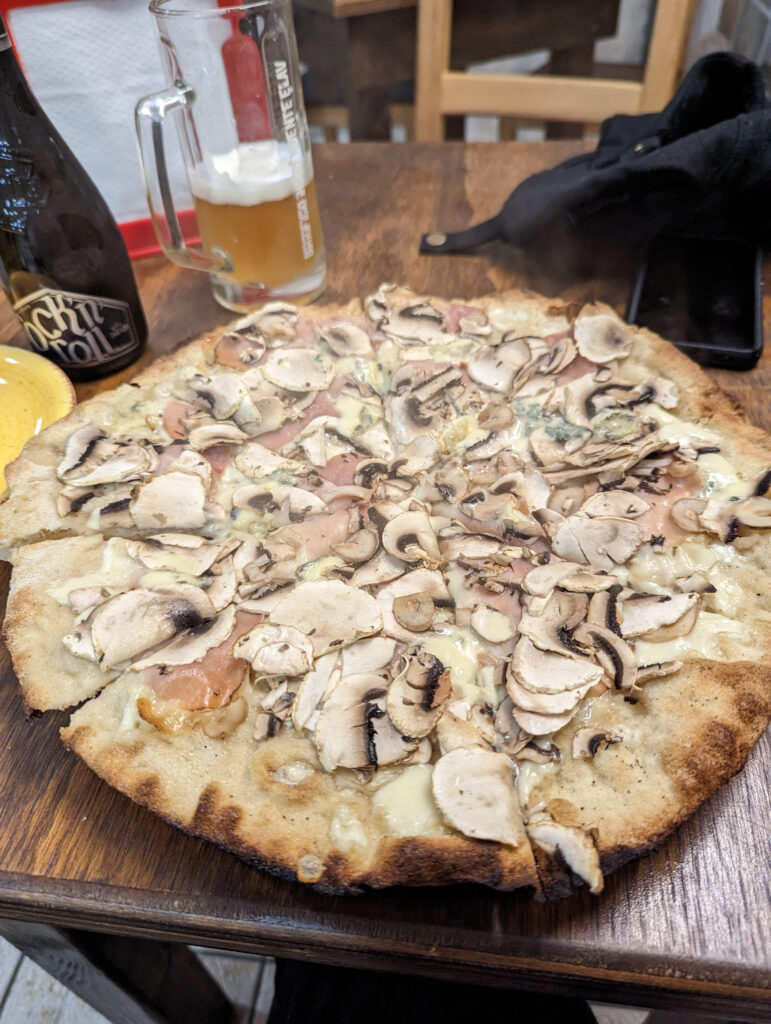
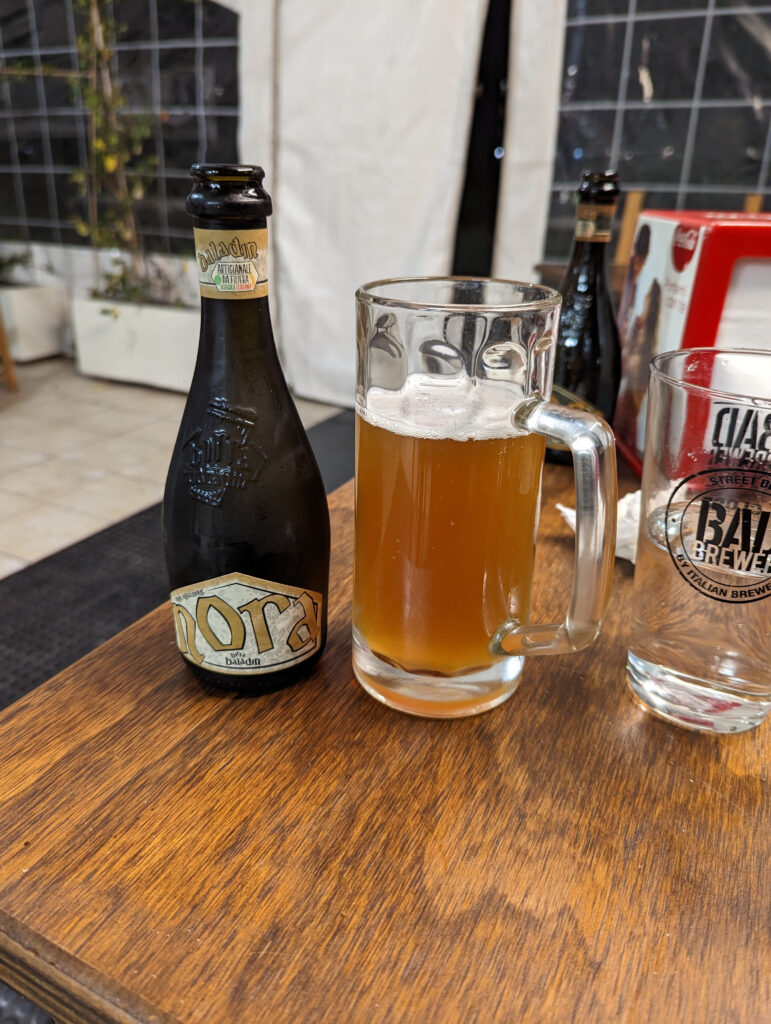
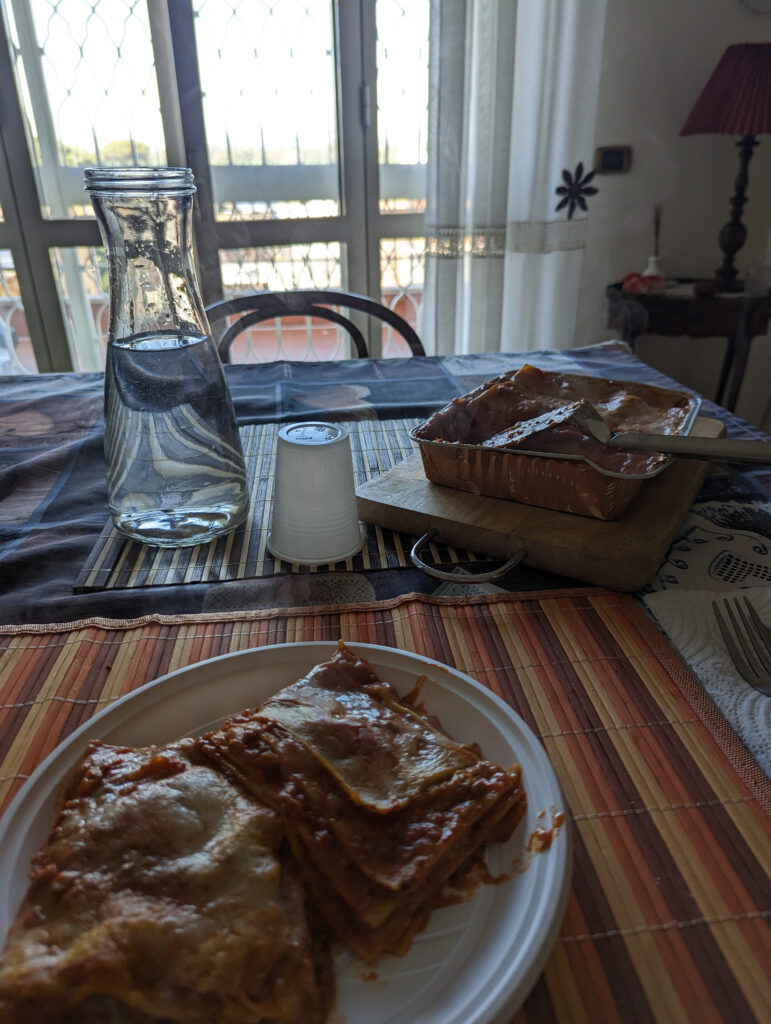
Food, drink and sights: