On the pair rode, over highway and rocky trail, until Ragusa appeared ahead again, on top of the next mountain. Every goddam city in this place was on a mountain, it seemed. One wondered whether the number of mountaintops on the island imposed a hard population limit.
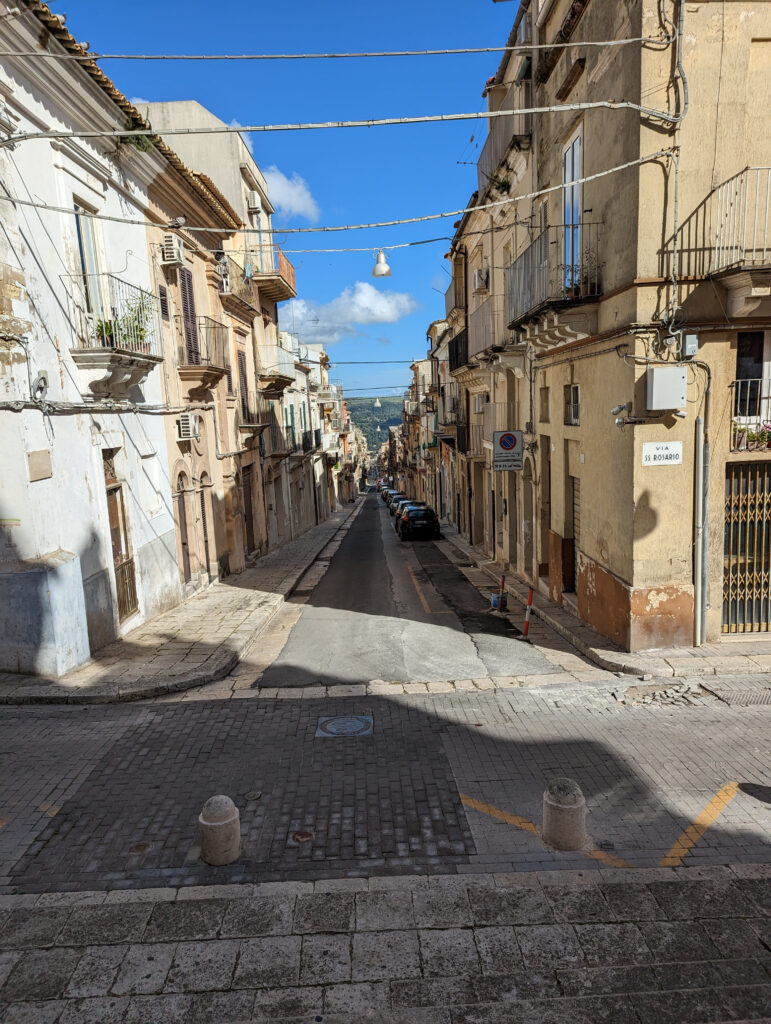
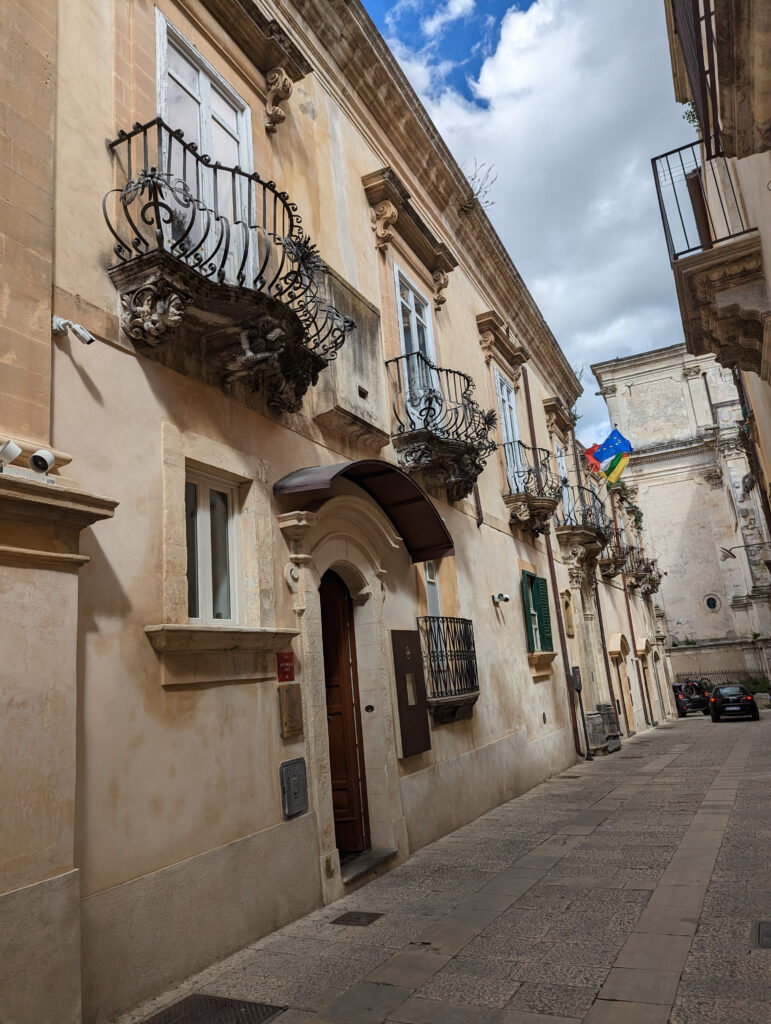
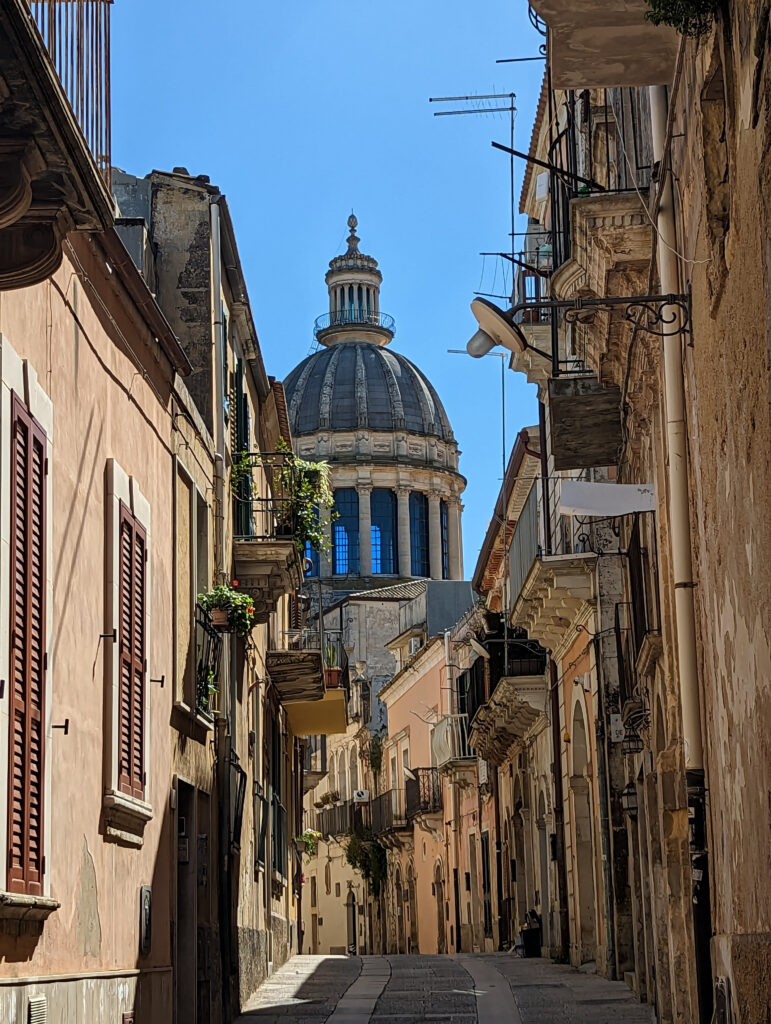
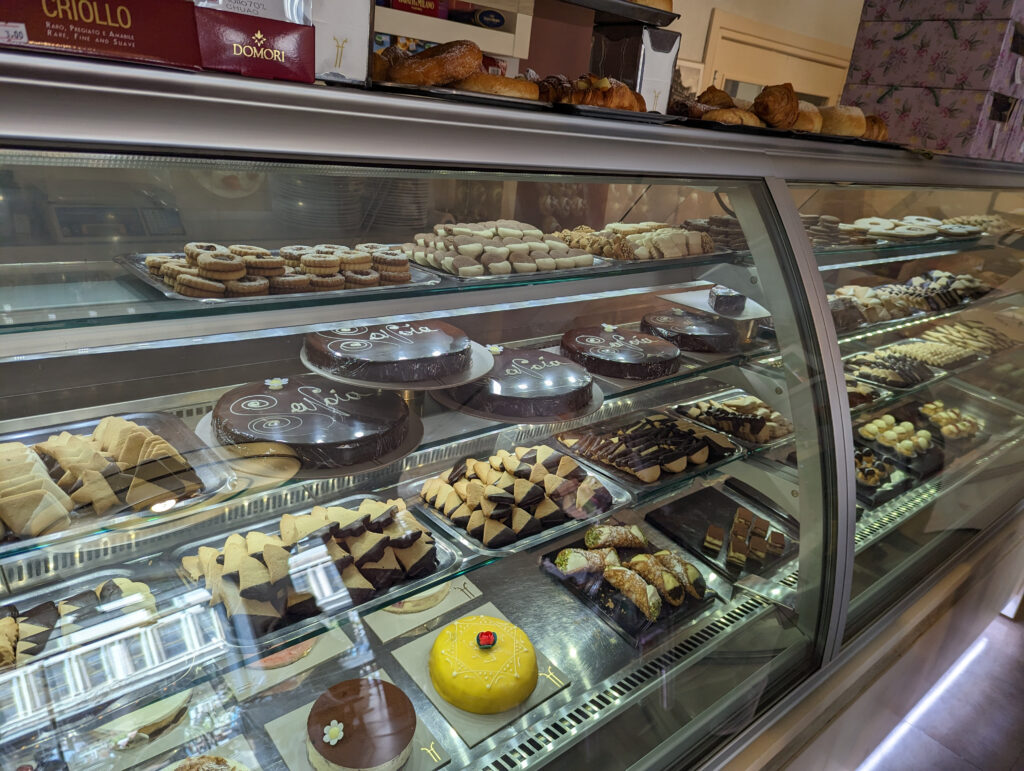
Ragusa, like several other cities on this part of the island, had both a new town – rebuilt after the earthquake and an old town – built on the mount of corpses left by said earthquake. The old town was more exciting to walk about – winding, narrow streets; large and ornate cathedrals; and an array of tasty and tempting pasticcerias, cafes and restaurants.
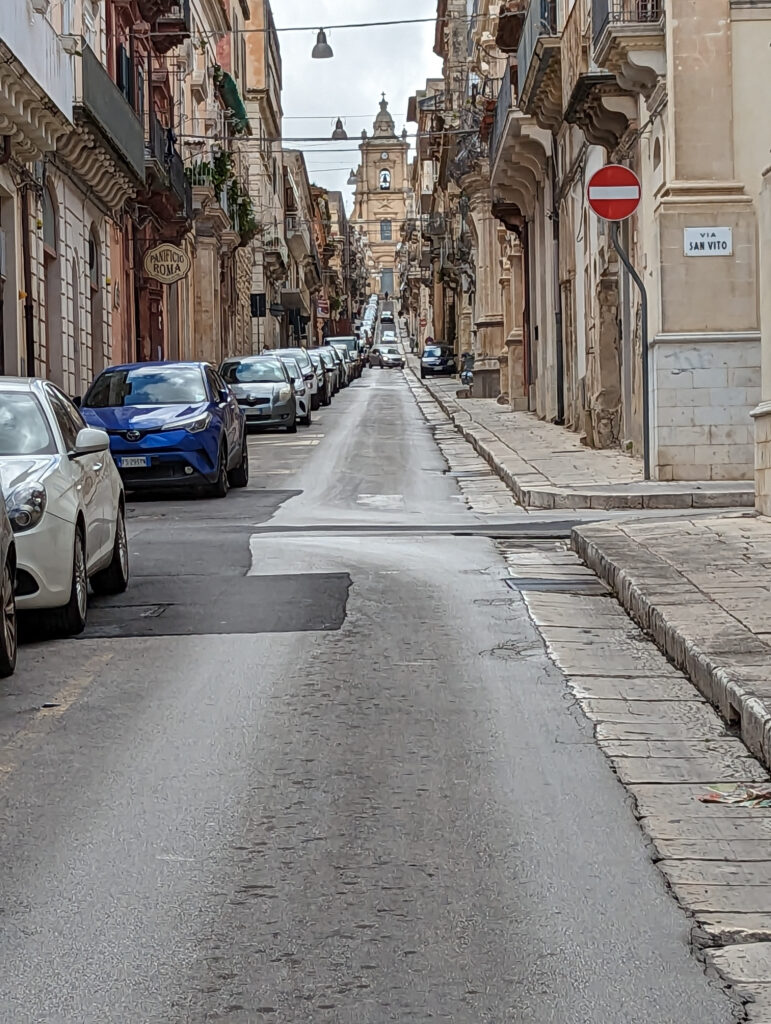
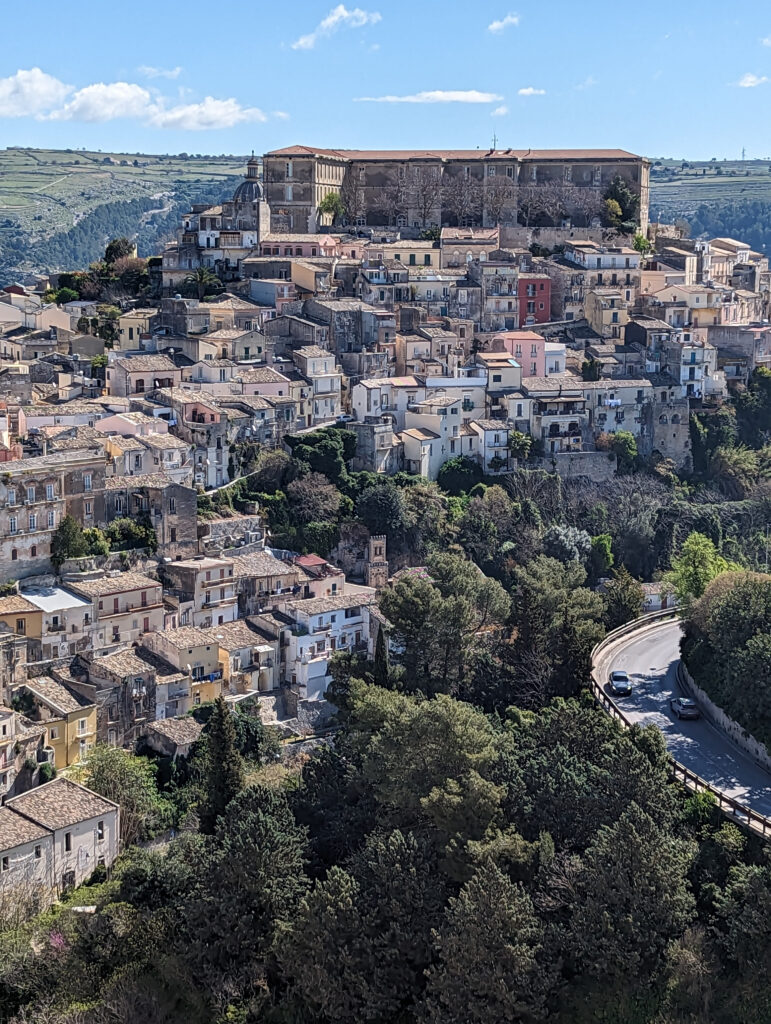
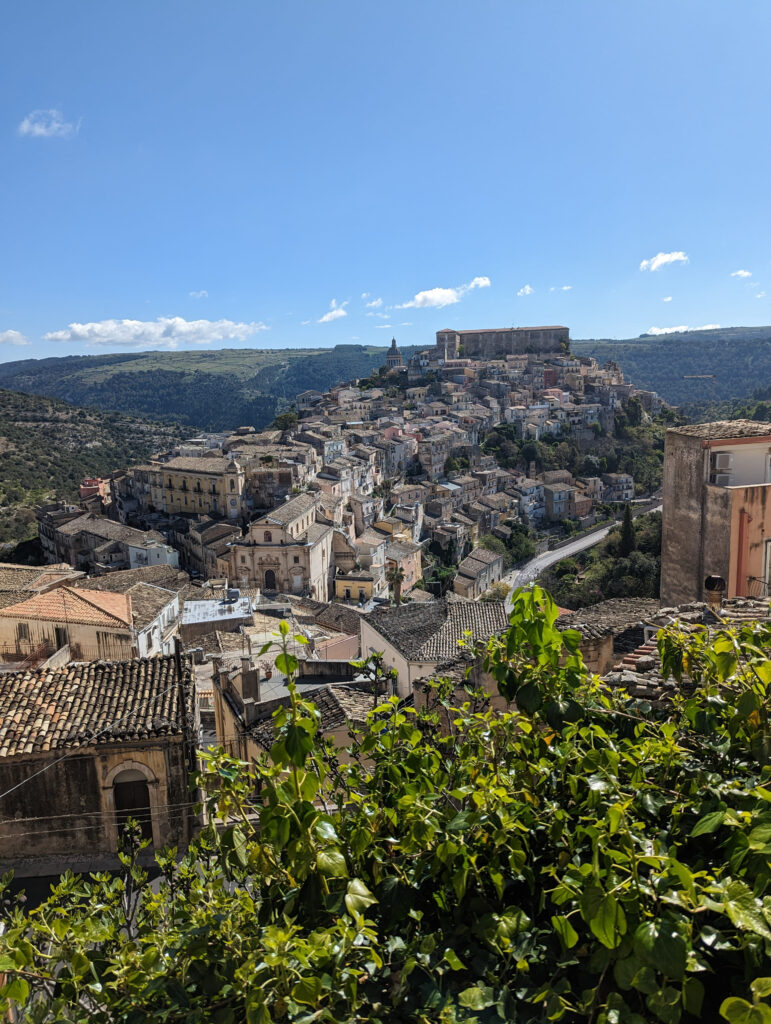
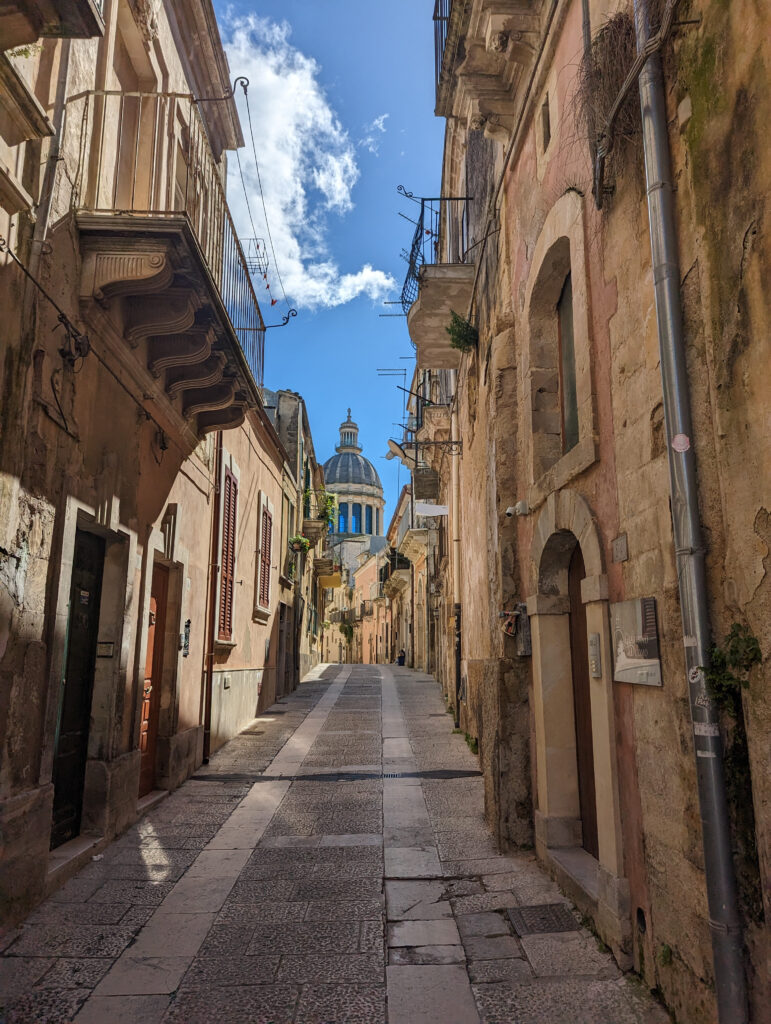
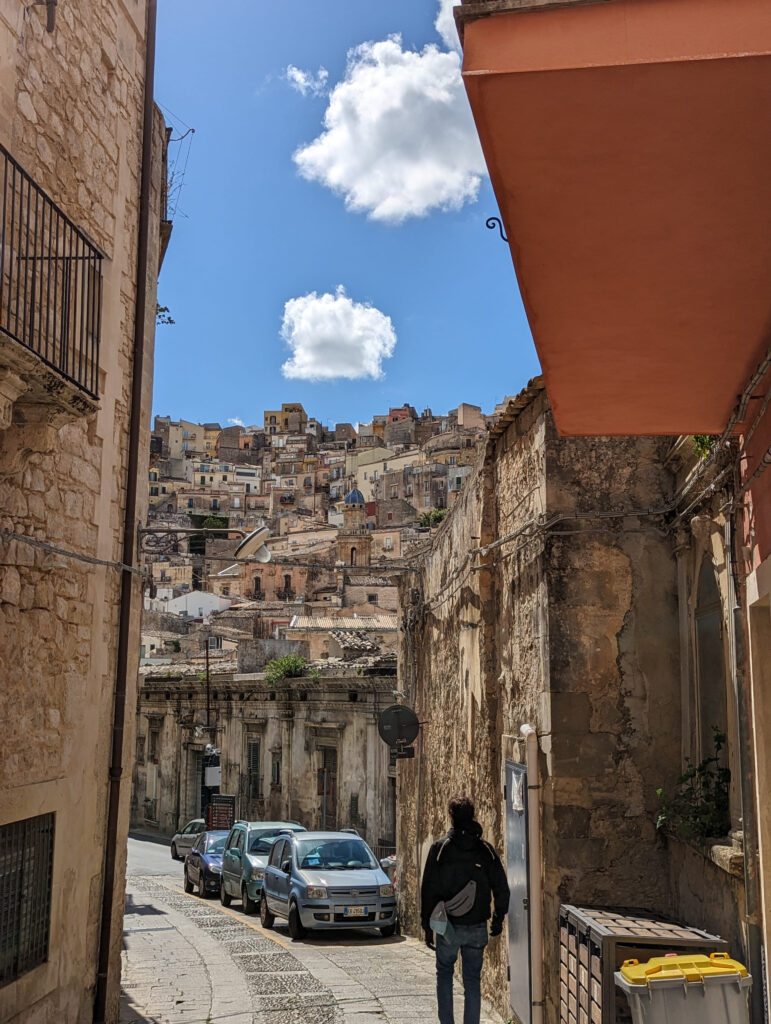
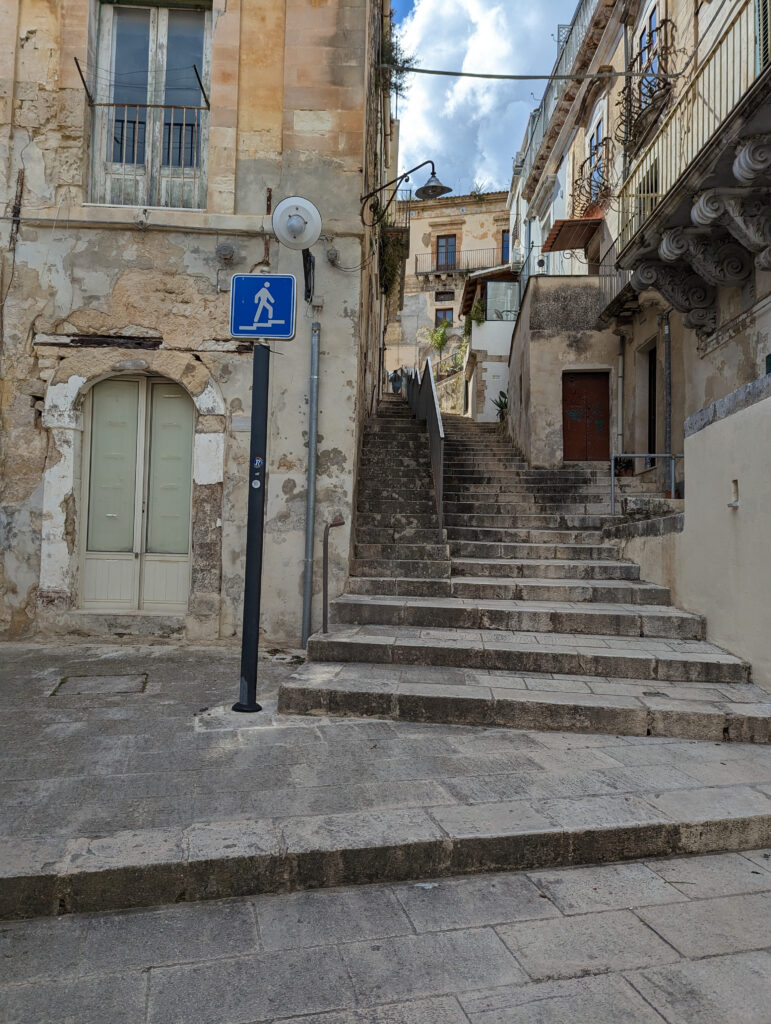
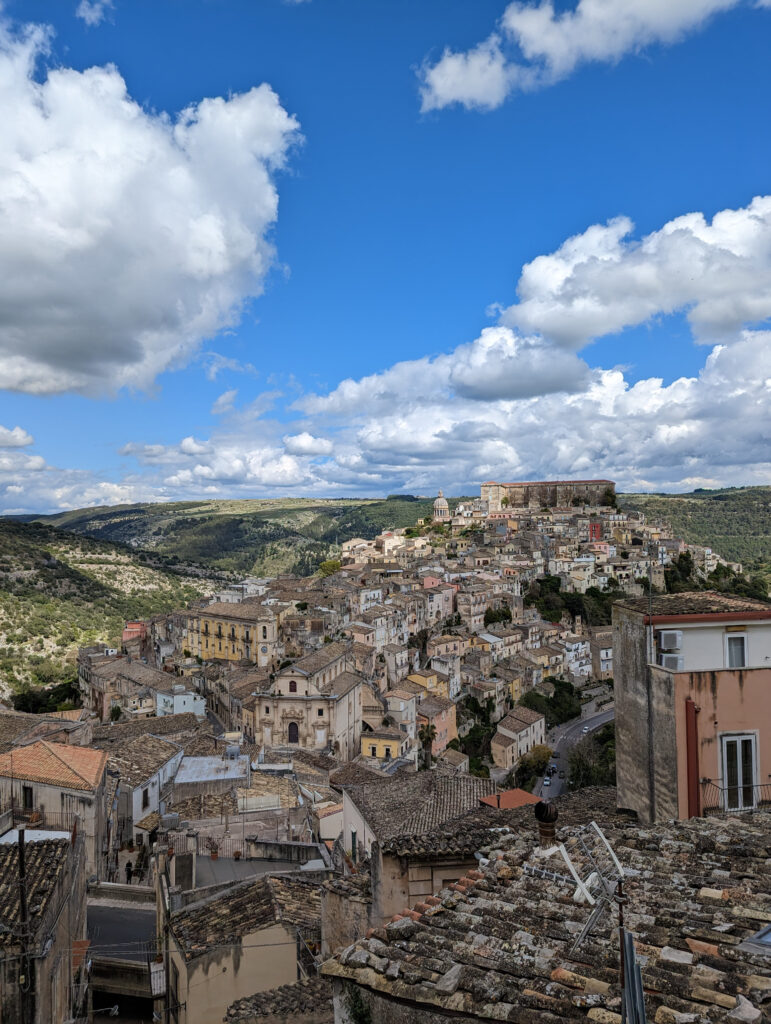
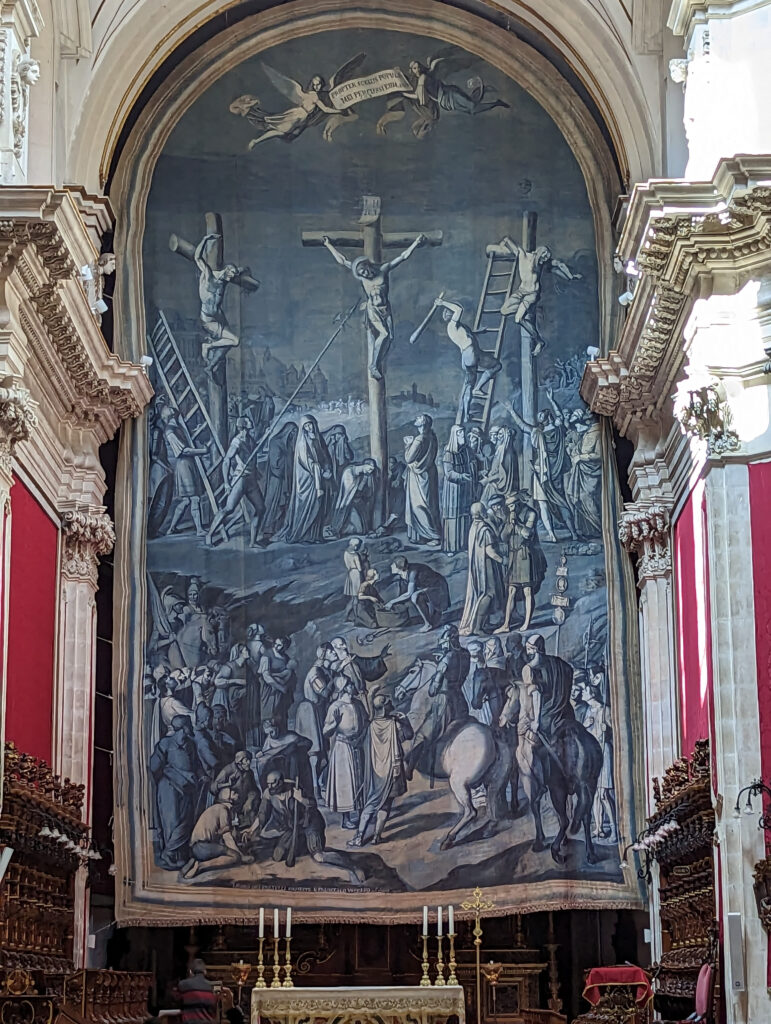
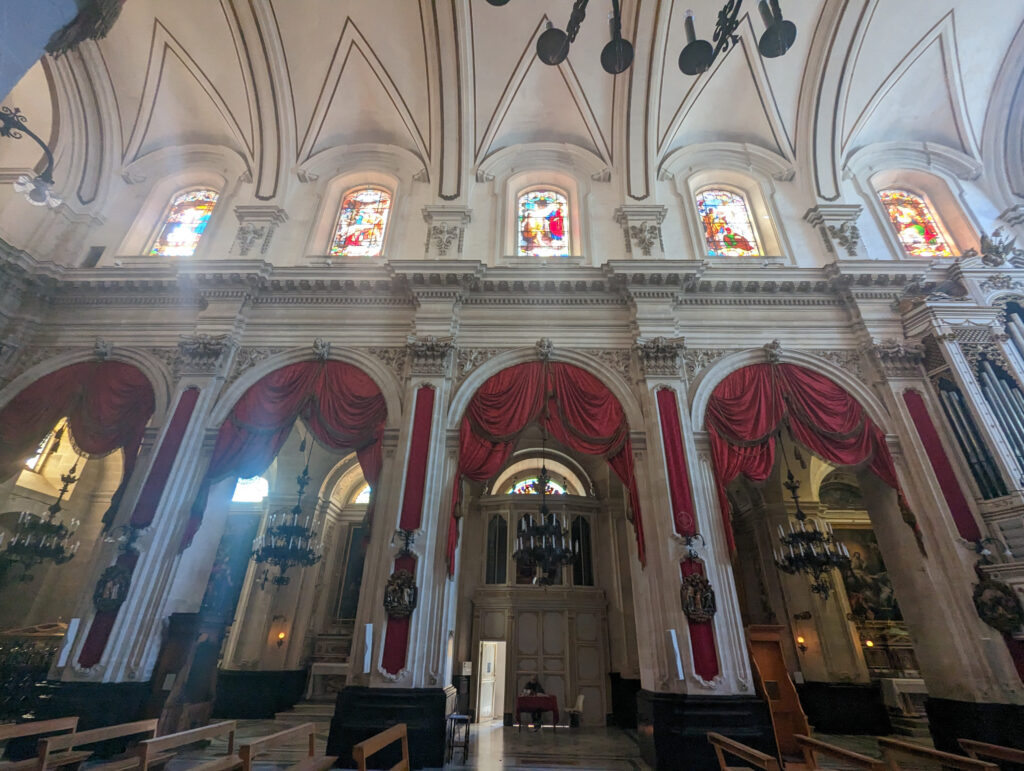
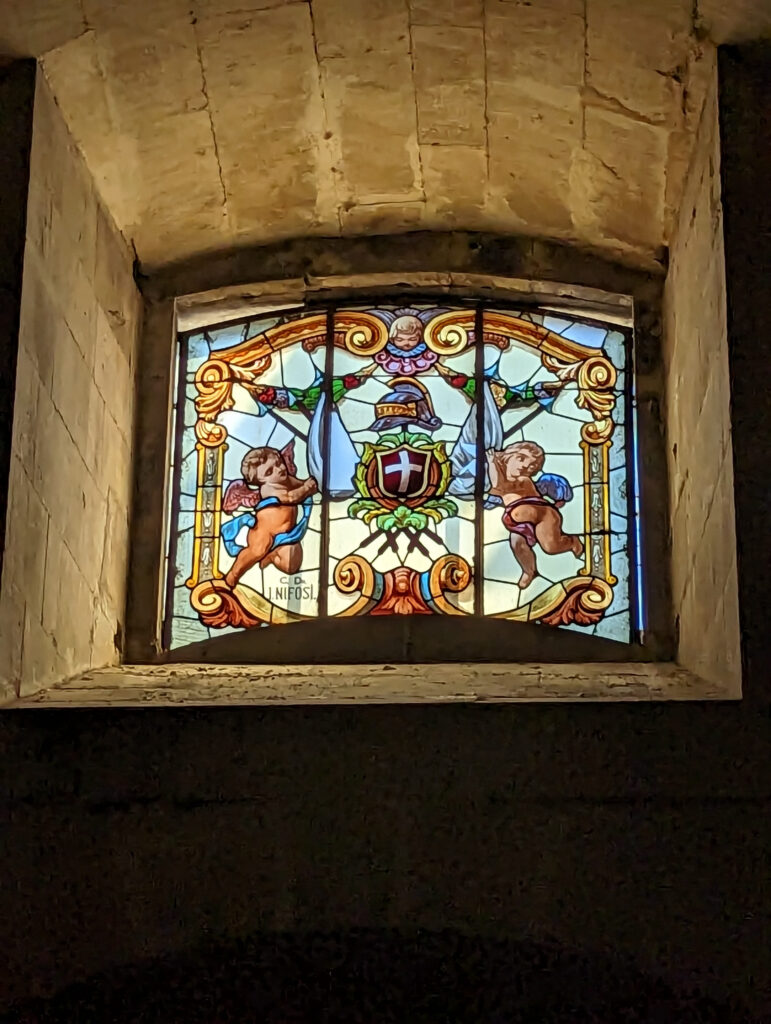
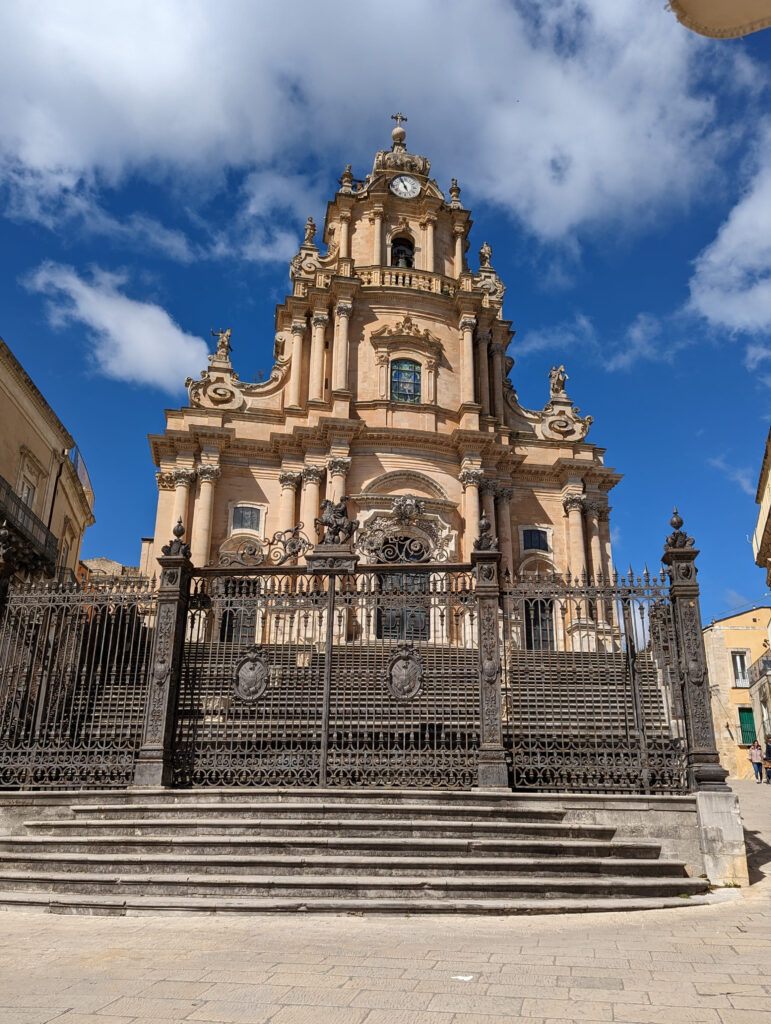
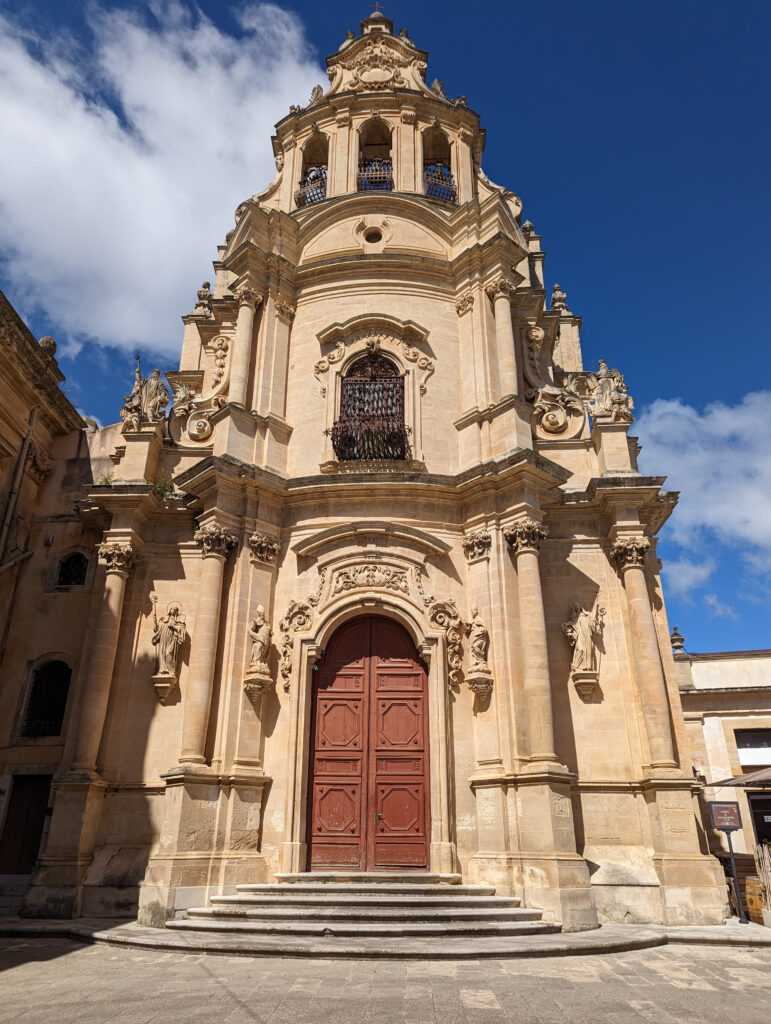
With some time before it was time to check into their Airbnb, Freddy and Stan decided to take a look at Ragusa’s most notable church. It was large, ornate and charming.
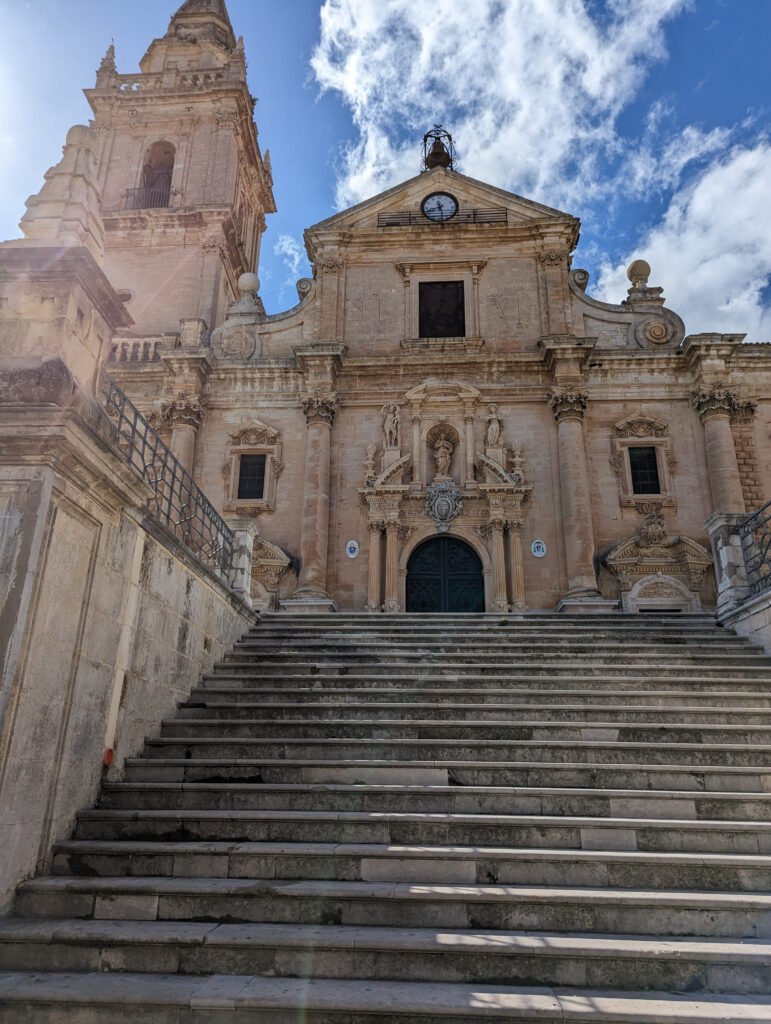
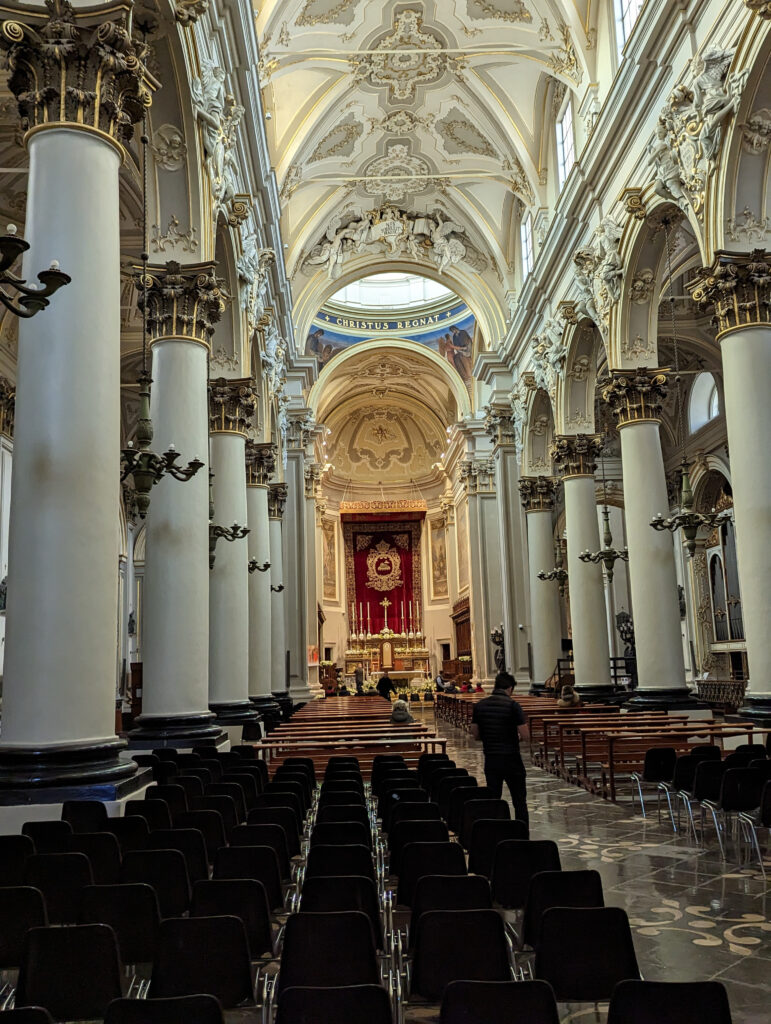
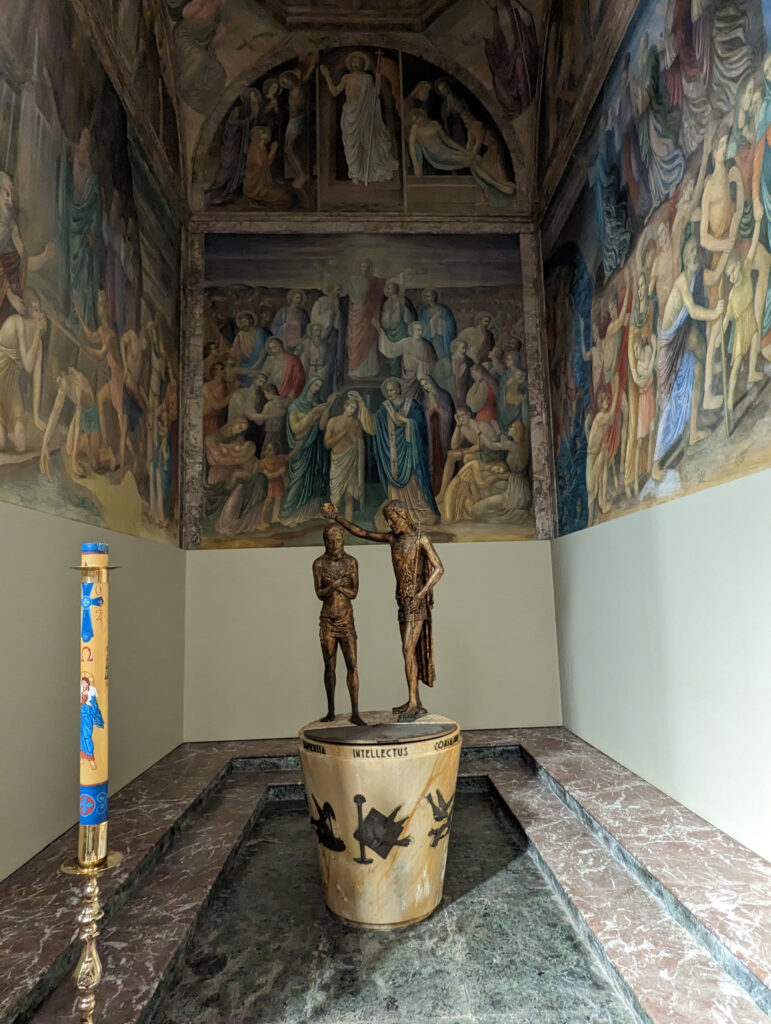
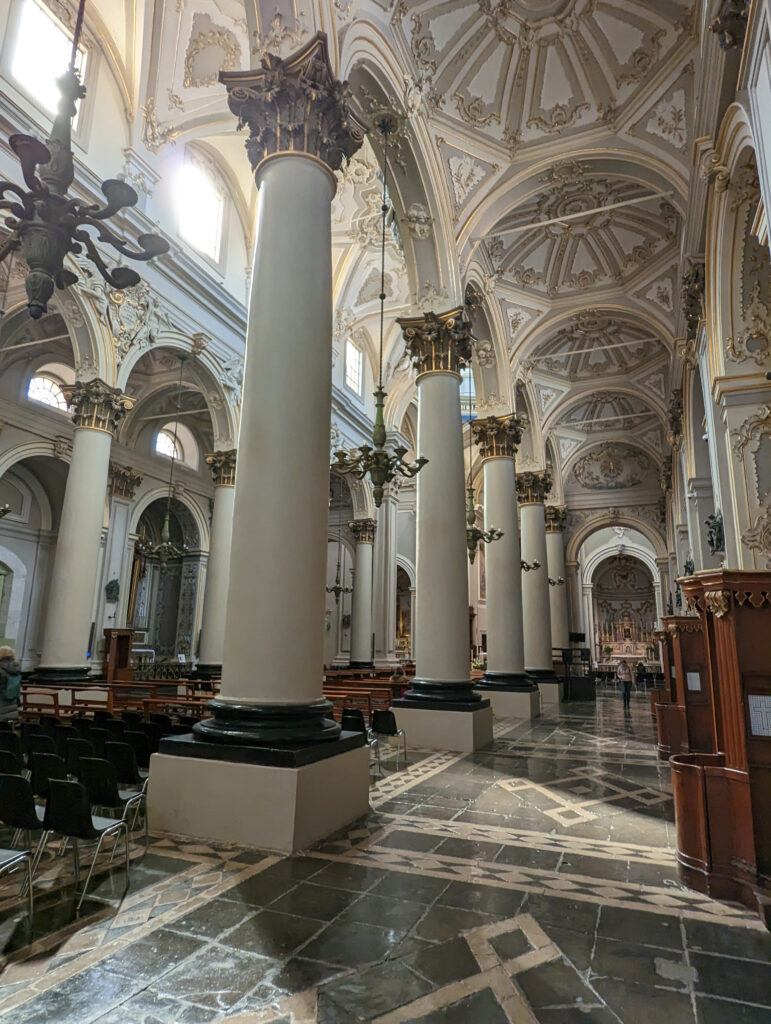
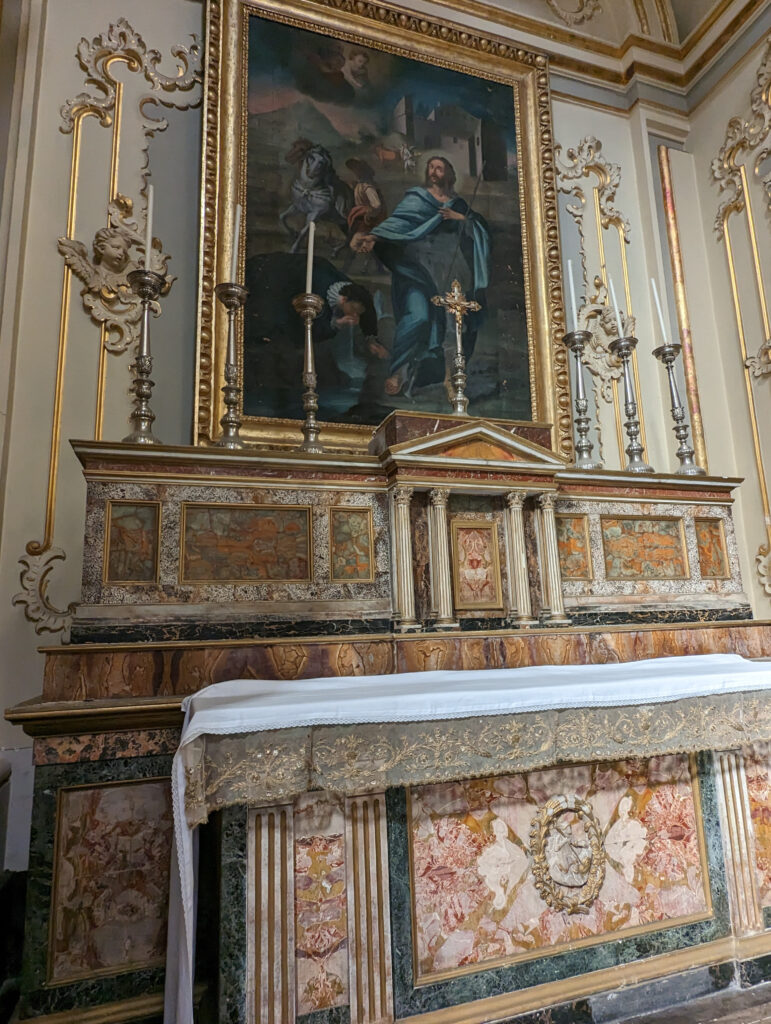
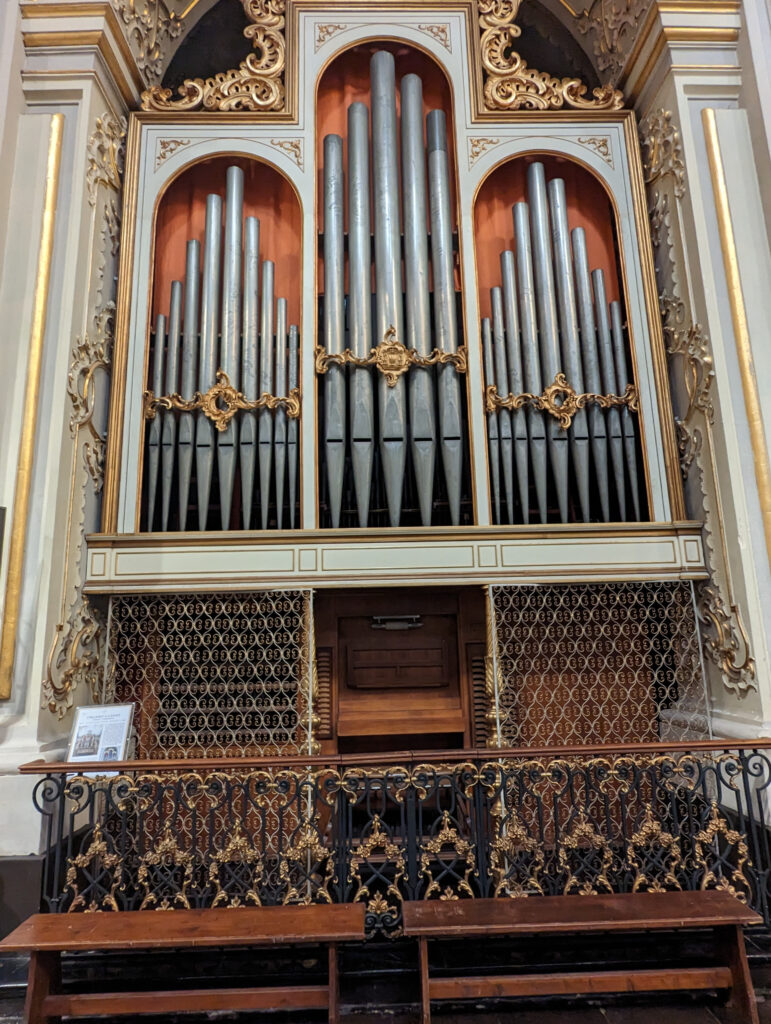
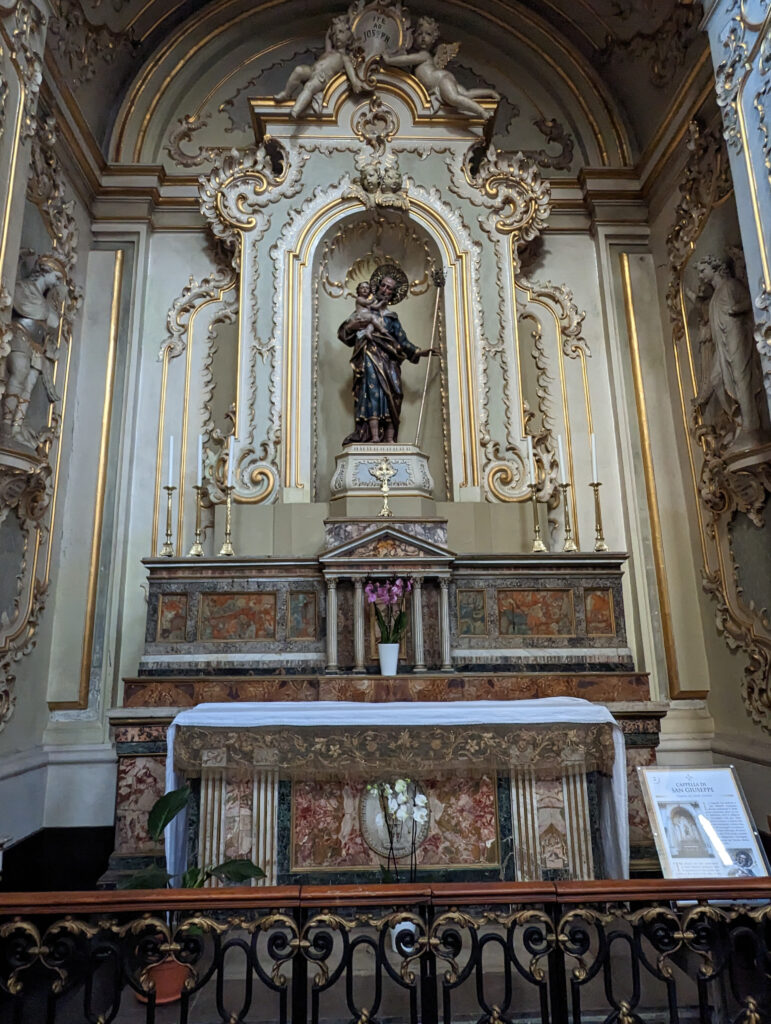
An obviously homeless man, smelling strongly of liquor, busied about jostling the already perfectly arranged benches, apparently trying to give the impression that he worked there. He staggered over to Stan, muttering drunken Italian into his ear, but smiling, clearly trying to charm him. Stan immediately gave him his full attention. “Oh? Really? Are we in trouble somehow?” he stammered, distraught at being confronted with what he thought was a church employee. “Talk to him. He speaks Italian,” he said, pointing the man over to Freddy. Pleased, the man sidled up to Freddy and began trying to rub his body against him. Freddy then smiled and backpedaled, trying to escape the vagabond.
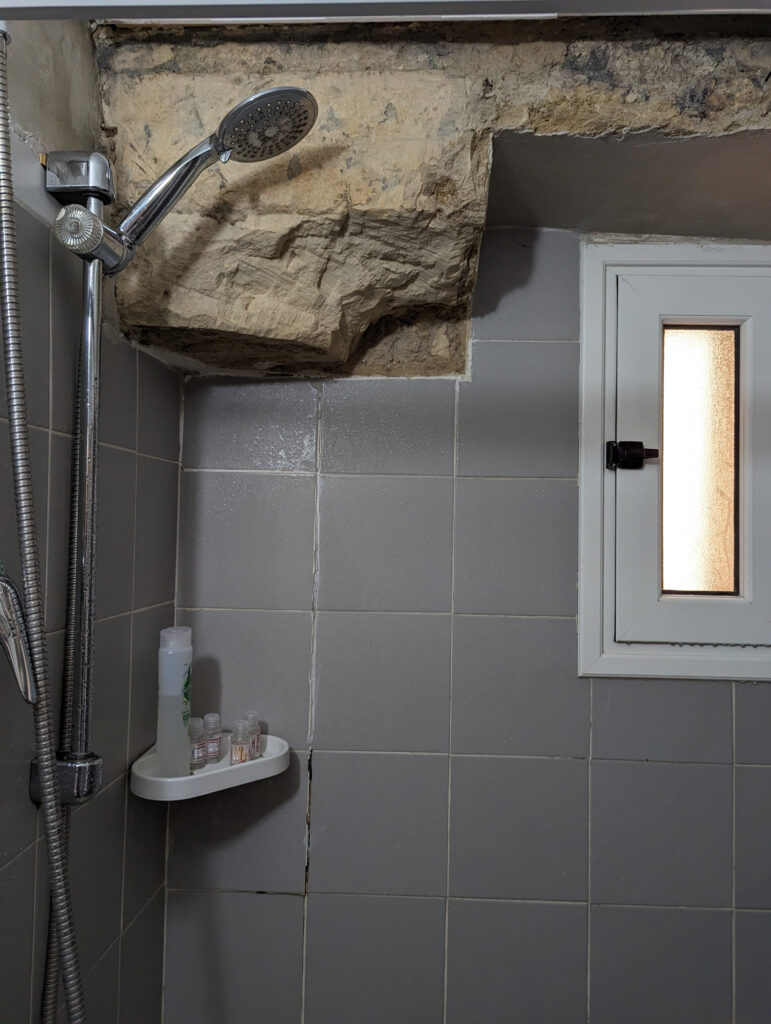
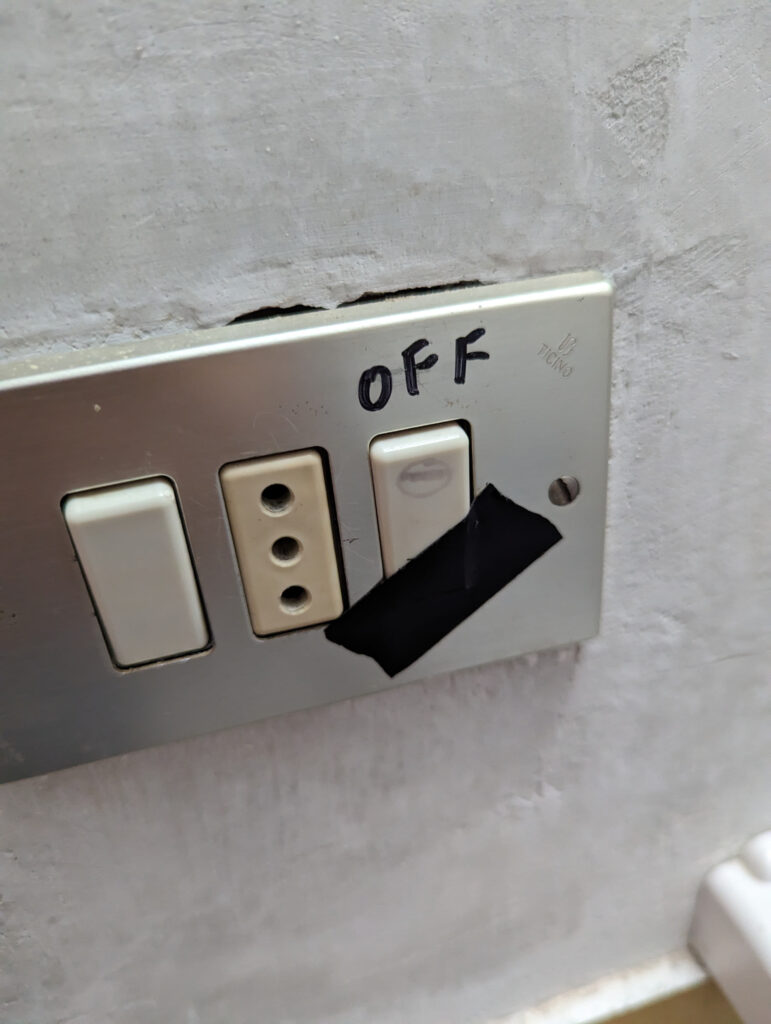
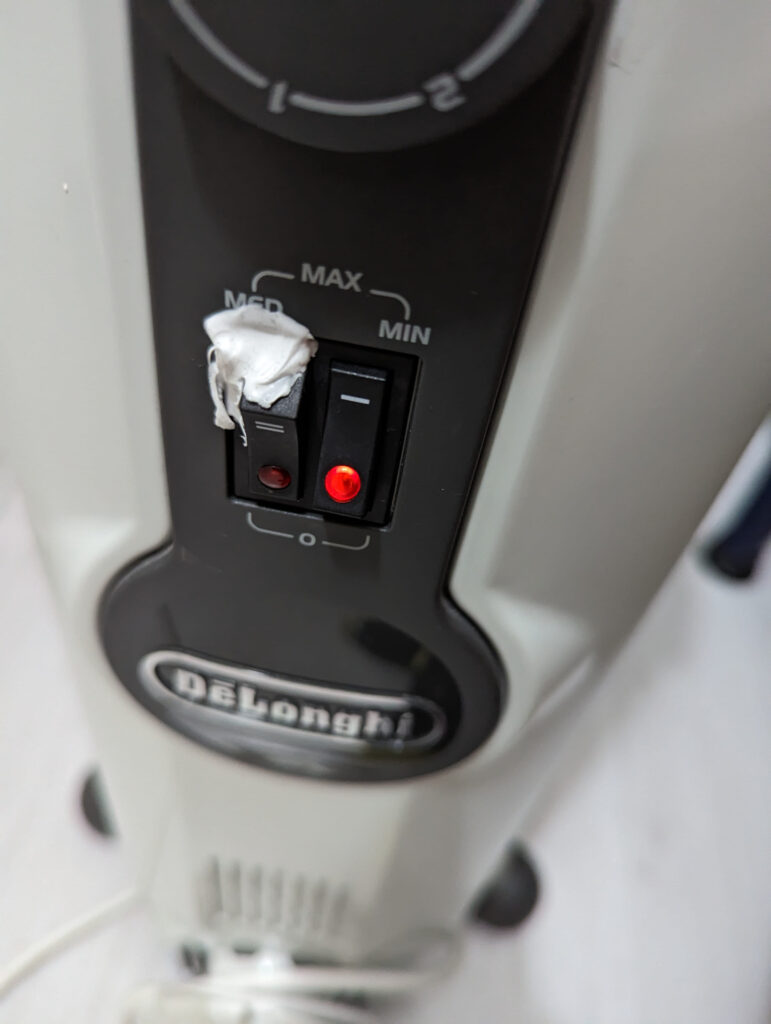
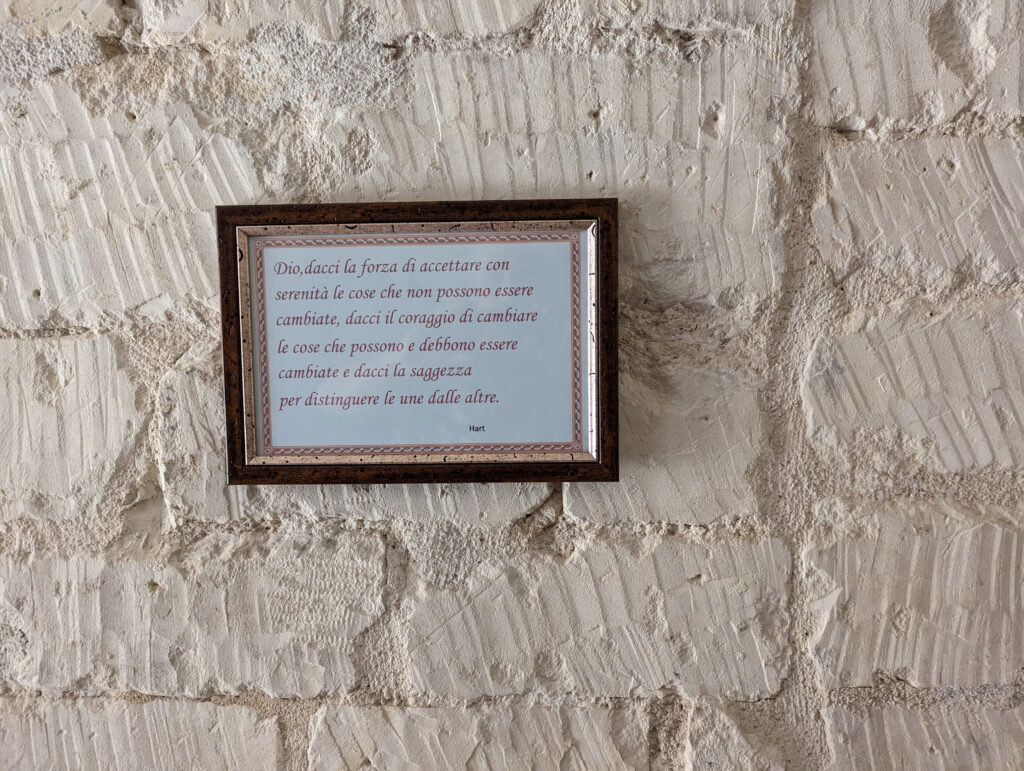
The Airbnb in which the pair stayed had its charm. As was not uncommon, it was an apartment furnished fairly recently in a much older stone building. The original stone still showed in an attractive way. Freddy noted that the alcoholics’ prayer hung in the house. He also noted the clever ways that the owner had tried to dissuade tenants from overtaxing the antiquated power infrastructure.
Having sucked what they thought was the sweetest marrow from this baroque shinbone, Freddy and Stan walked the streets of Ragusa, when Freddy spied what appeared to be a workshop of some sorts. “It’s a workshop of some sorts,” said Freddy, feeling good to have turned his thought into vibrating air molecules. “Let’s take a look.”
Inside was a veritable Gepetto’s workshop, full of carpentry tools, paints, dummies hung on the wall and bearded tradesmen. In the center of the floor was a large colorful cart that rather looked like a rickshaw, with others in partial stages of completion nearby. As it happened, Freddy and Stan were just in time from a tour from the young painting-master. They had found a cartmaker’s workshop.
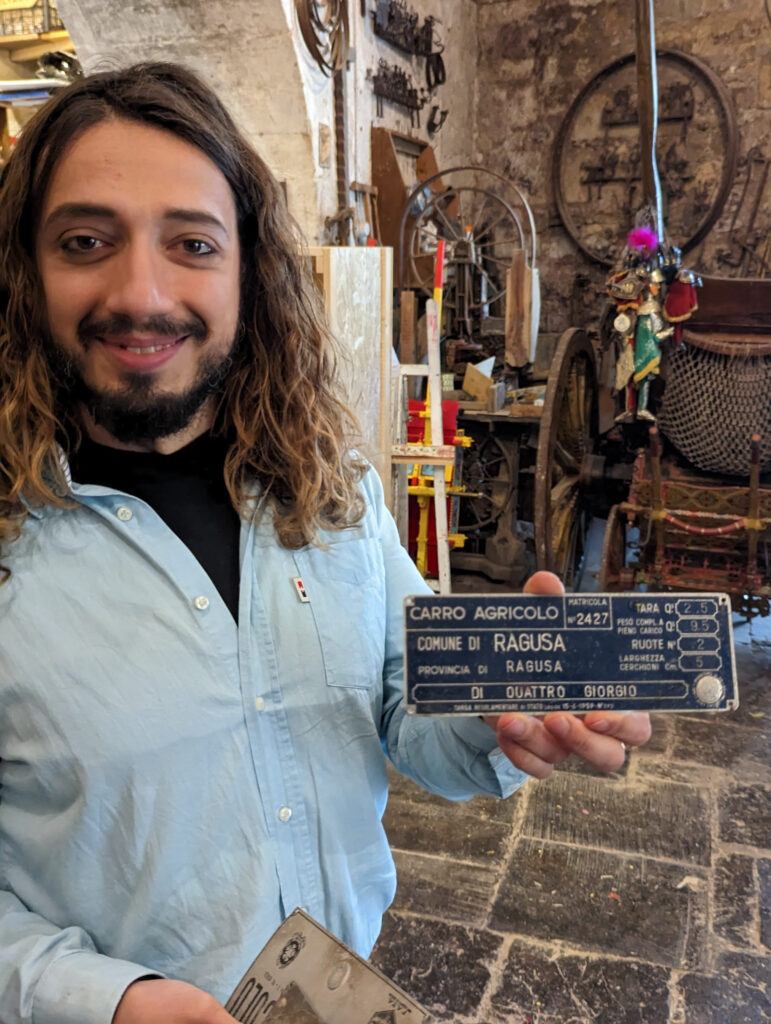
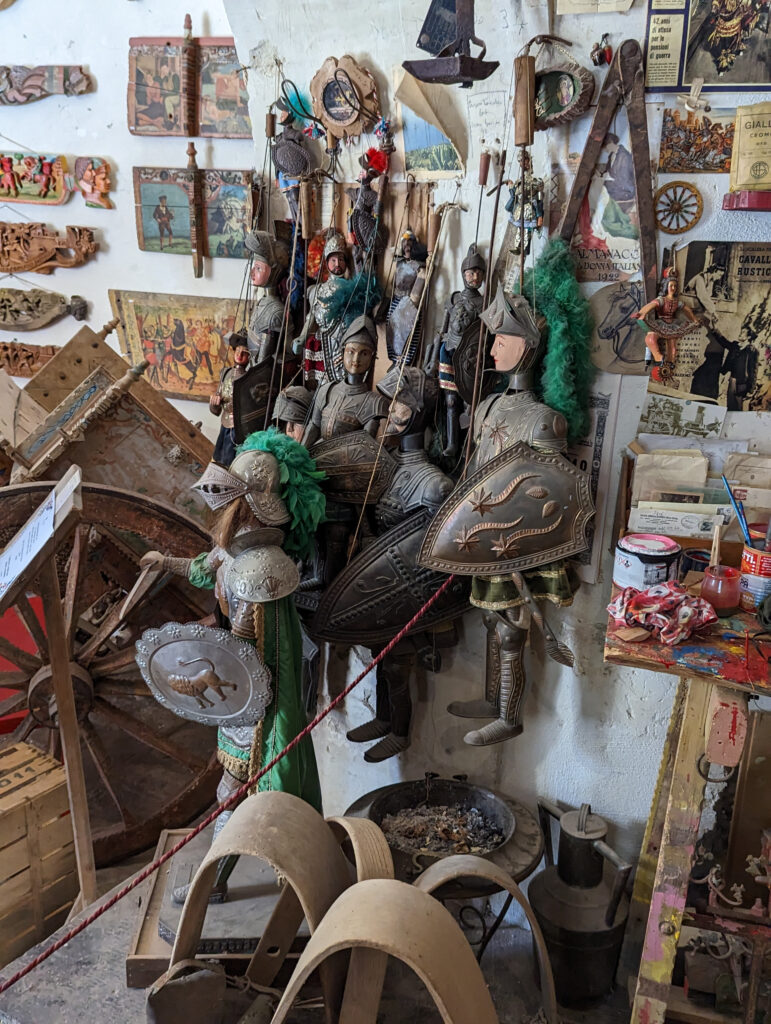
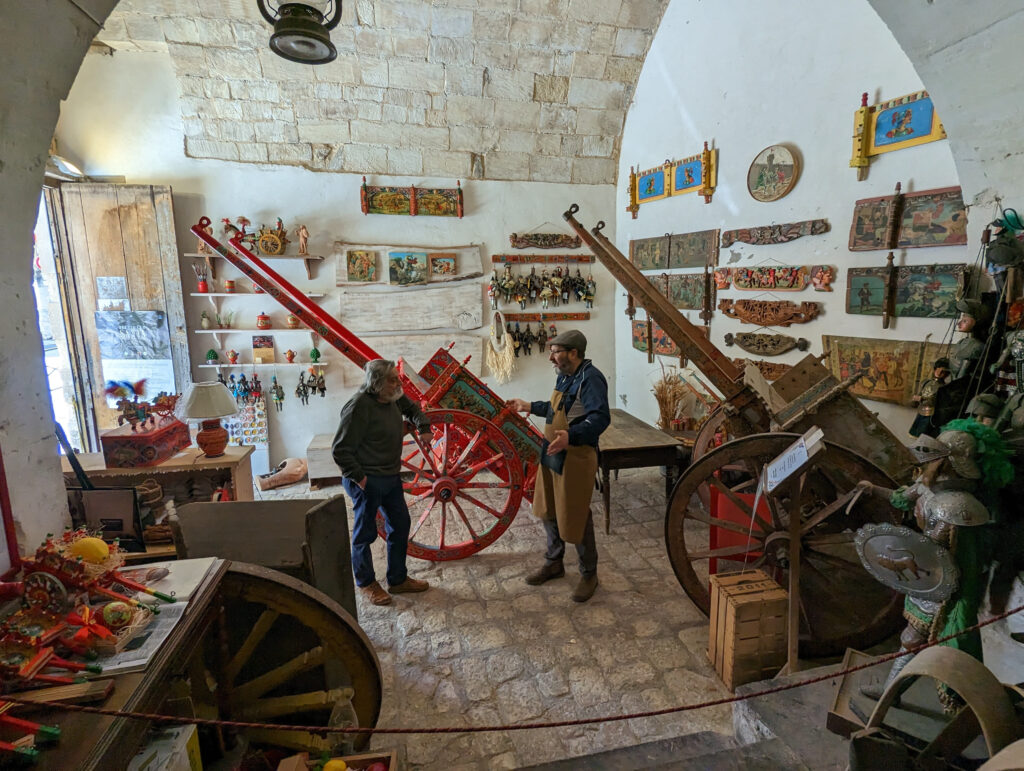
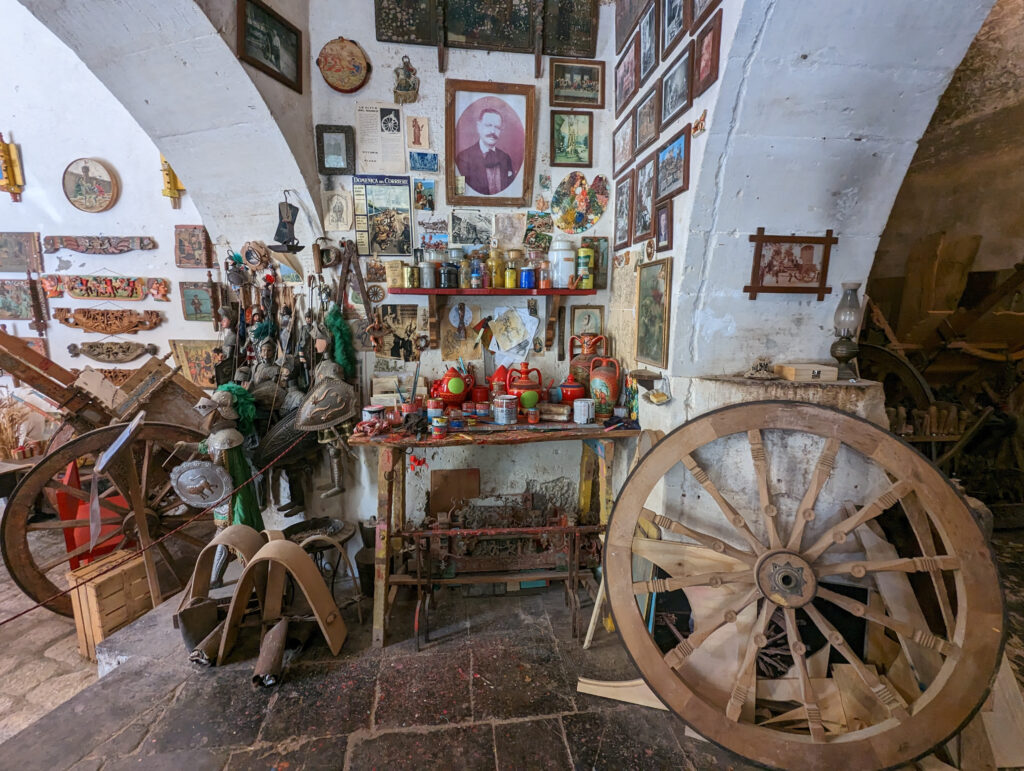
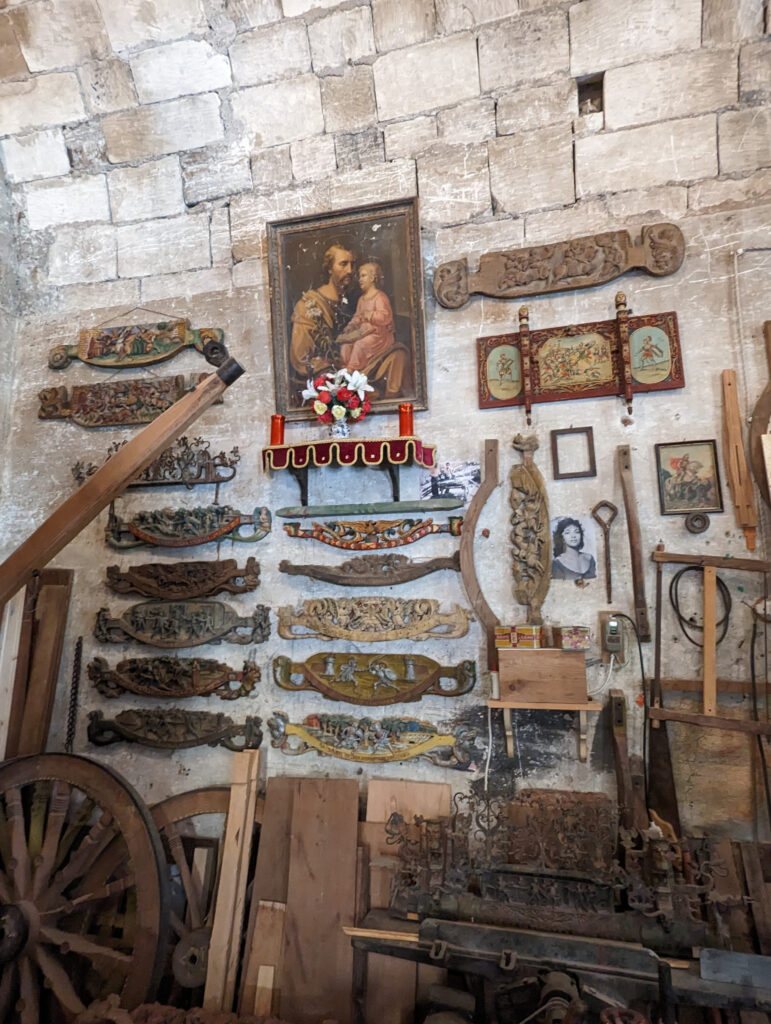
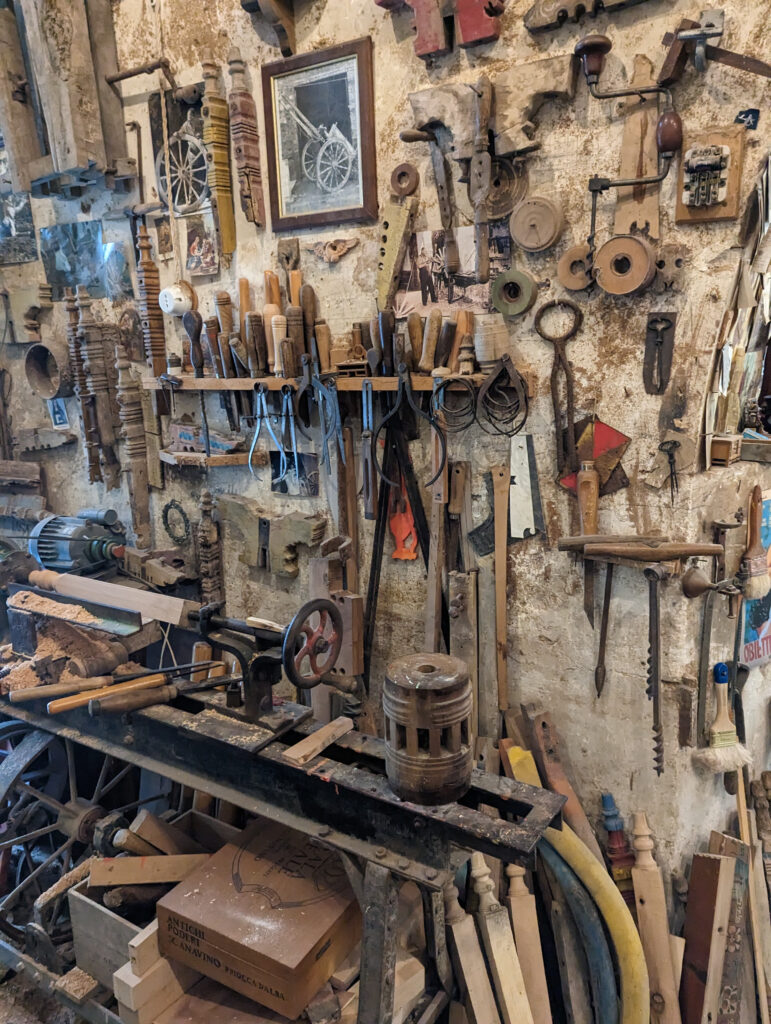
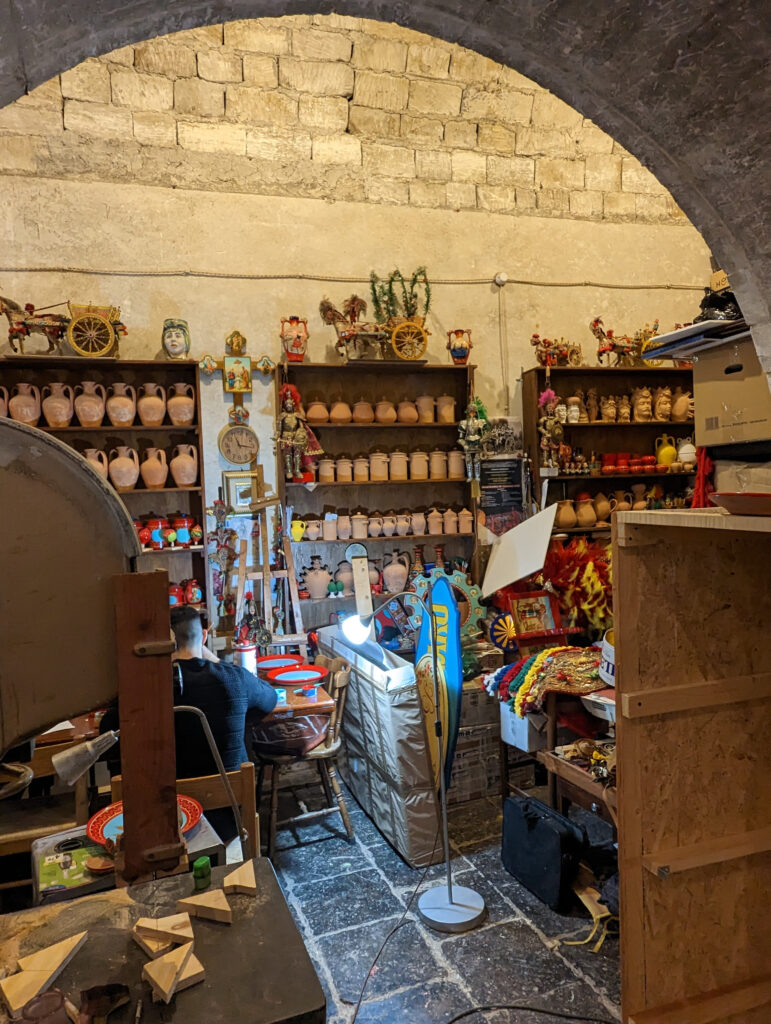
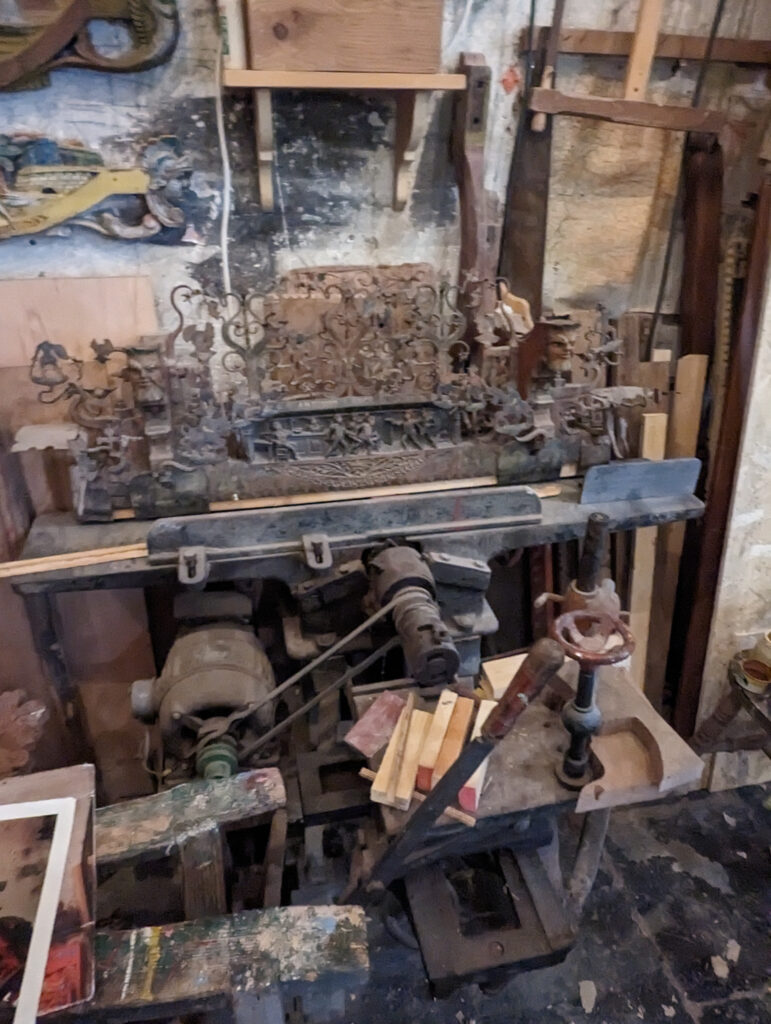
The painting-master had clearly rattled off his spiel many times before. It was in excellent English, and yet the trademan had trouble understanding very basic questions – if the words weren’t in the speech, he seemed to not know them. “And here is where the spokes are shaped,” he said, while the surly carpenter lumbered over and planed some random pieces of wood for the smiling American tourists. The painting-master went on to show how their workshop had been used as a cover for a Dolce & Gabbana catalog.
The carts were in the style of that used by tinkerers and tradesmen of days gone by, who would take their wares and their craft from town to town. Making them was a cherished art, and the large painted wheels were found adorning various homes and business throughout Sicily. It was clear the wokers took pride in what they did. Freddy had not the heart to tell them of the innovations of Henry Ford, which took away a bit of relevancy from their craft, but none of the artistry.
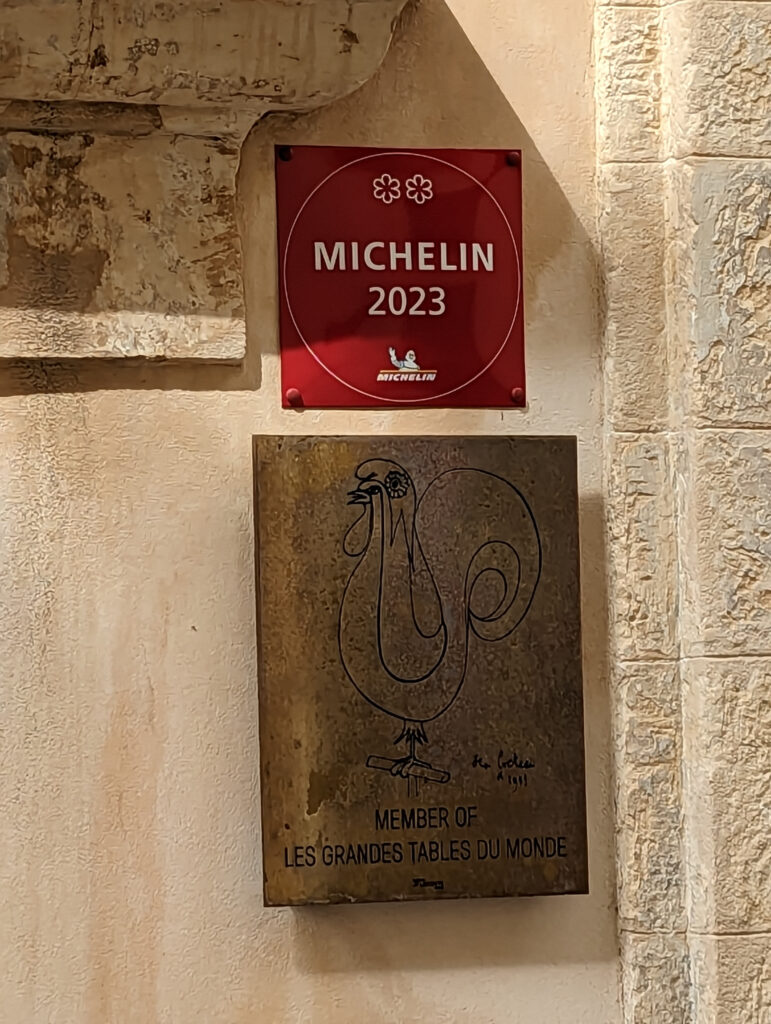
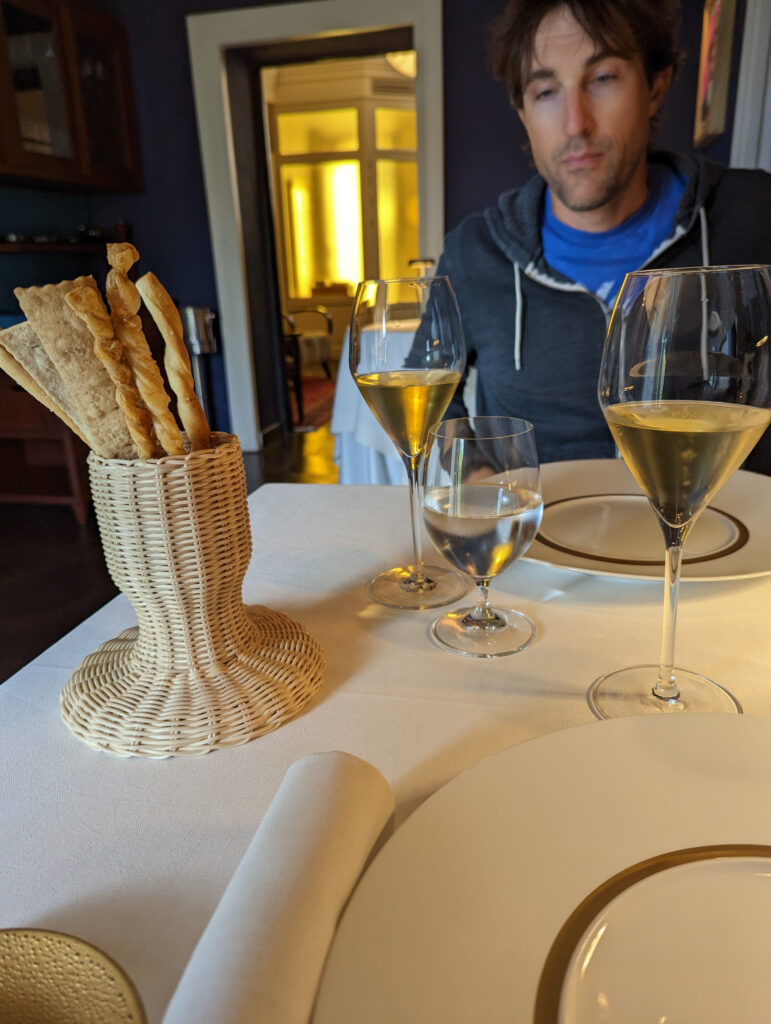
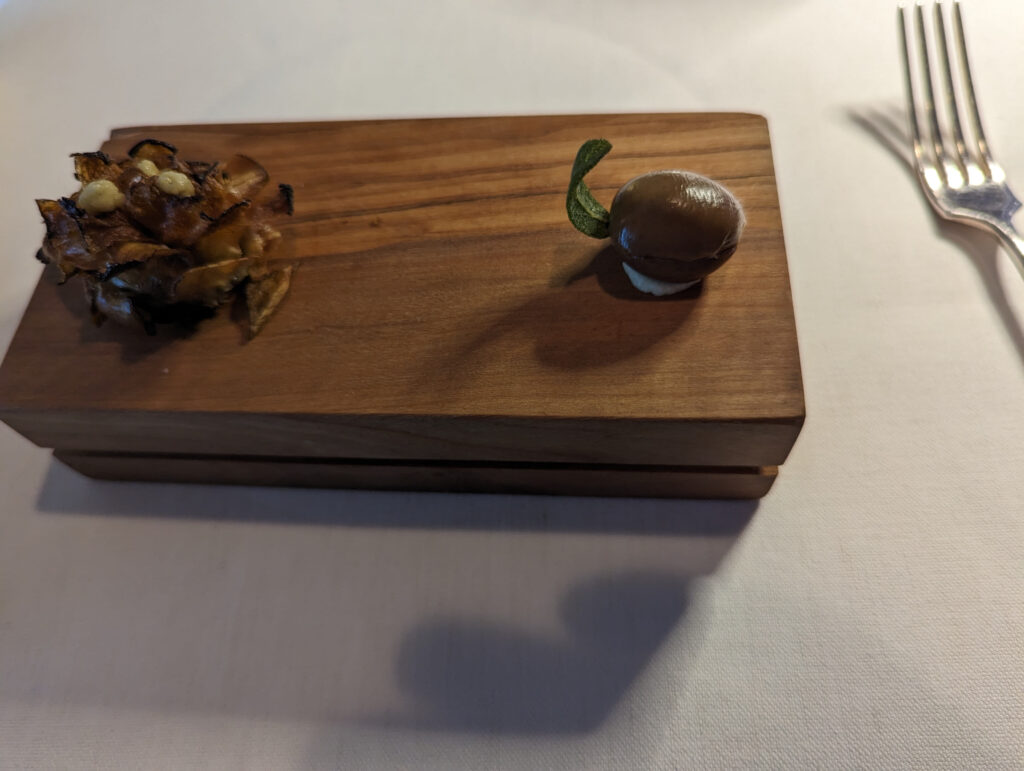
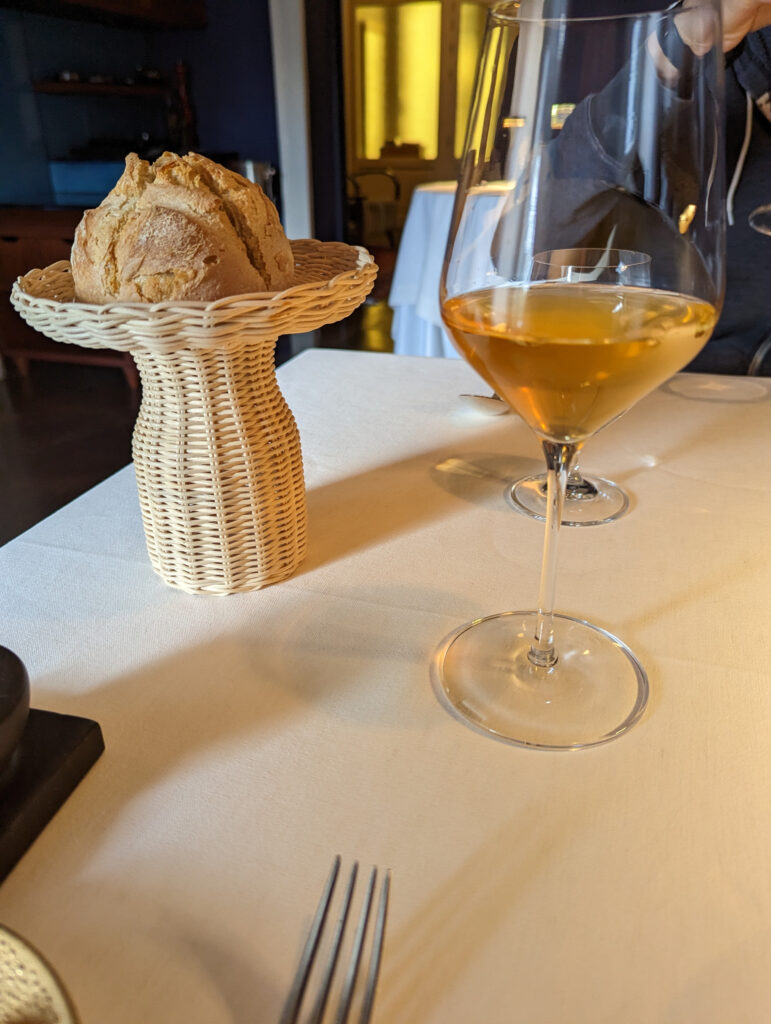
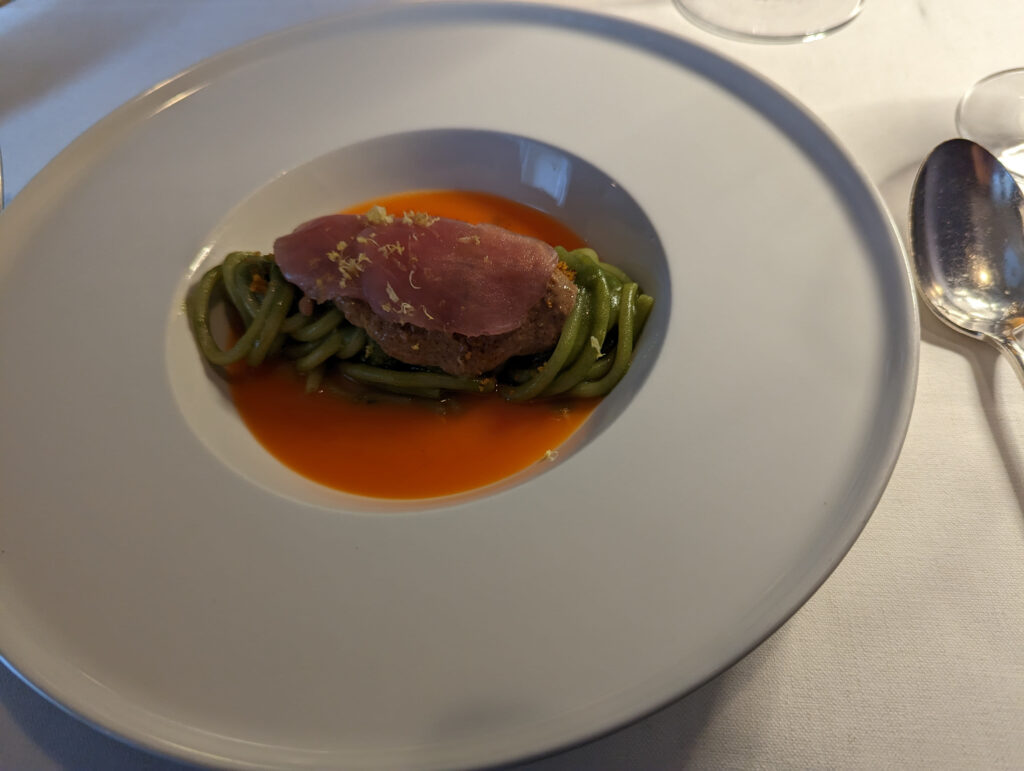
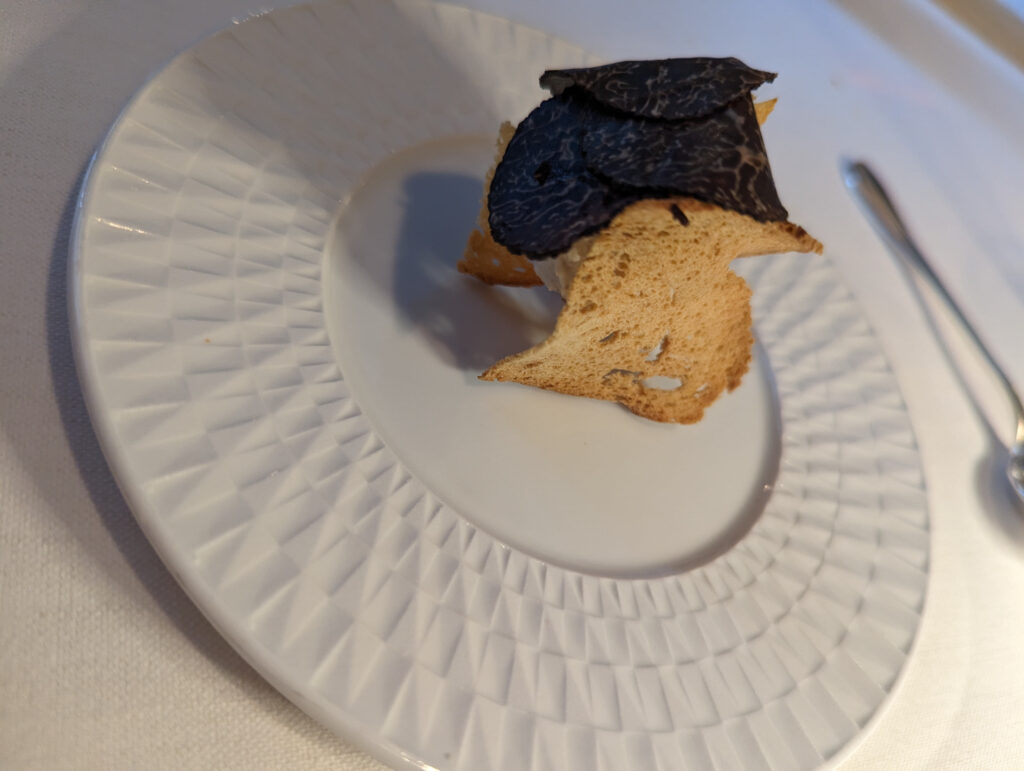
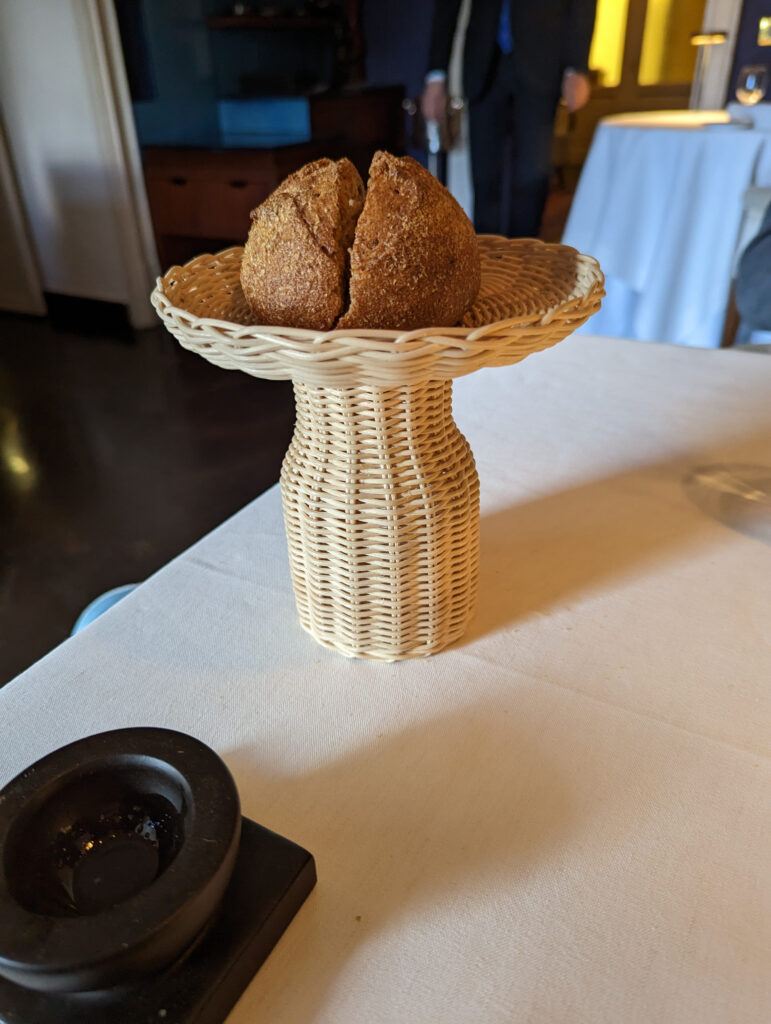
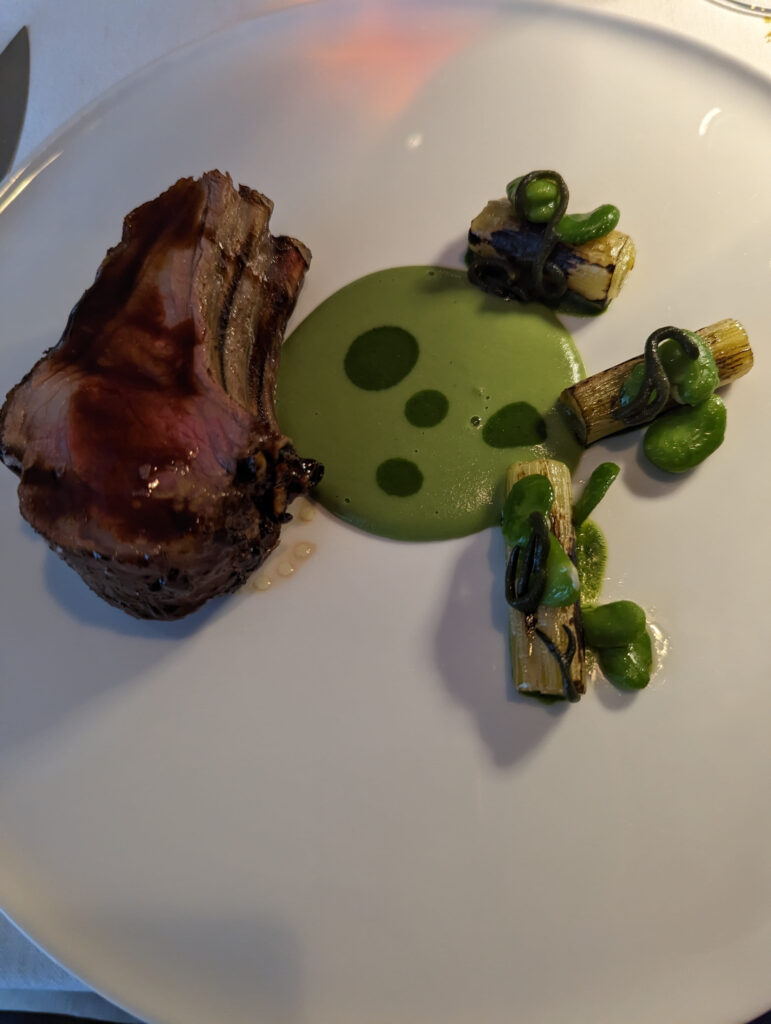
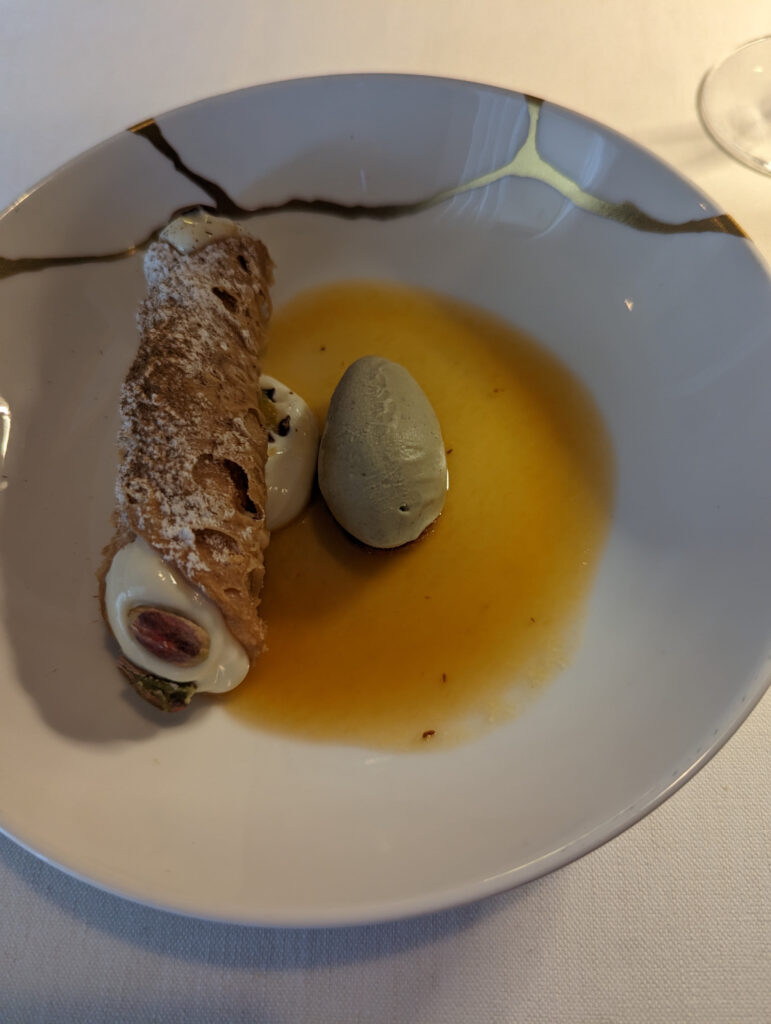
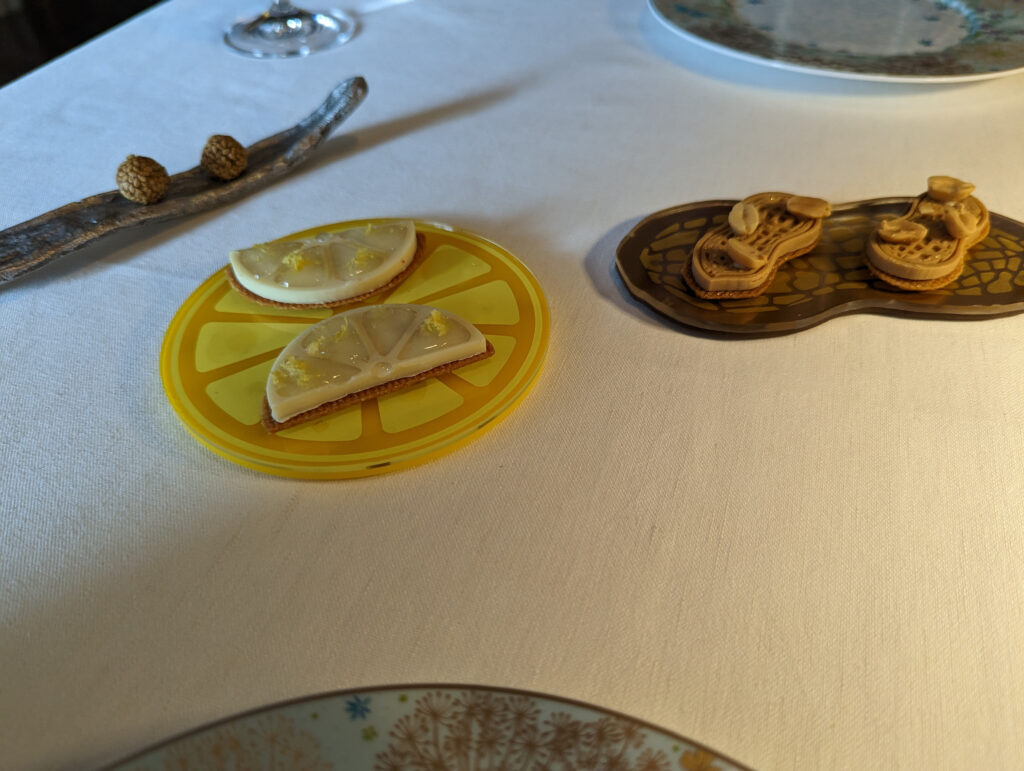
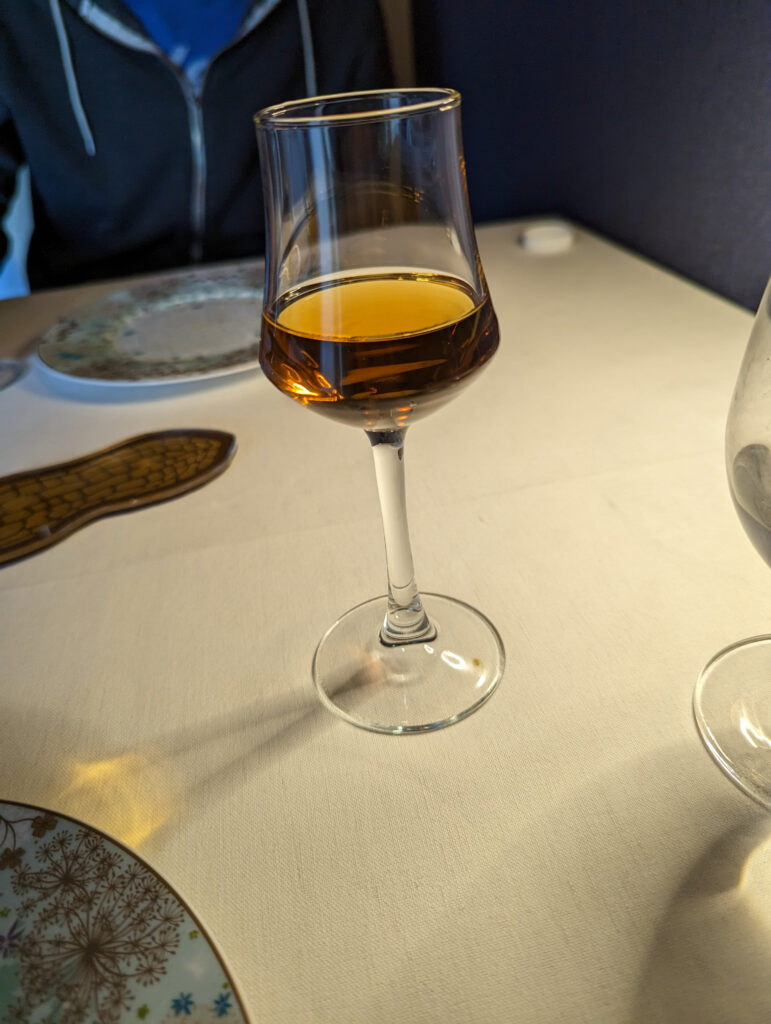
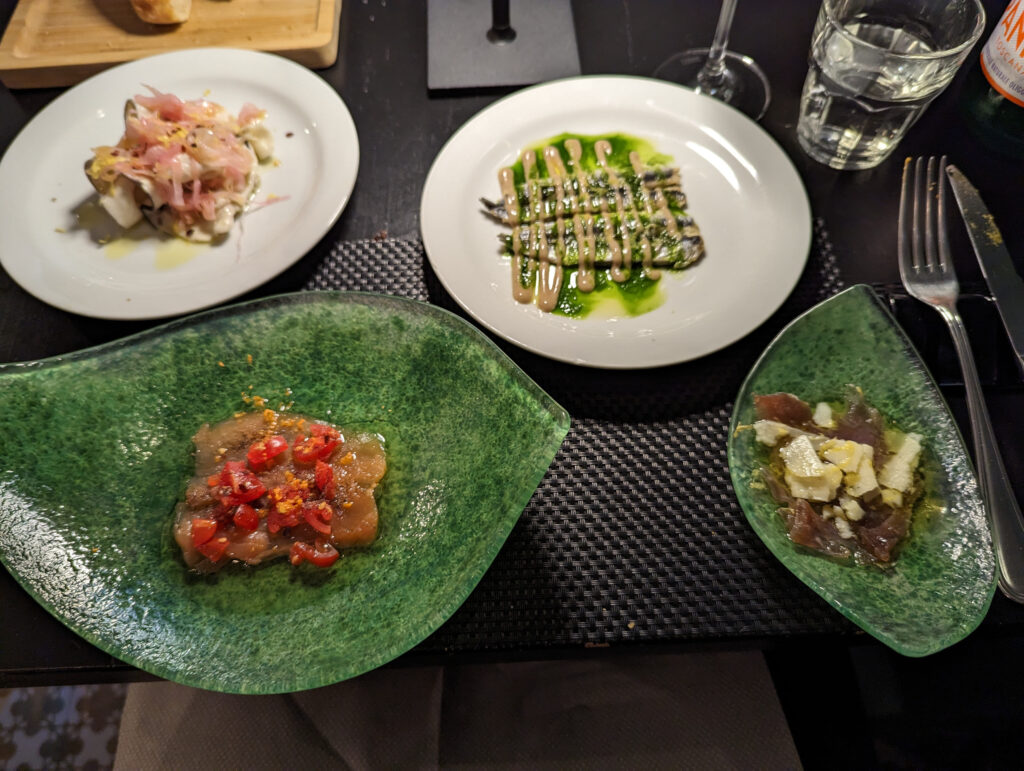
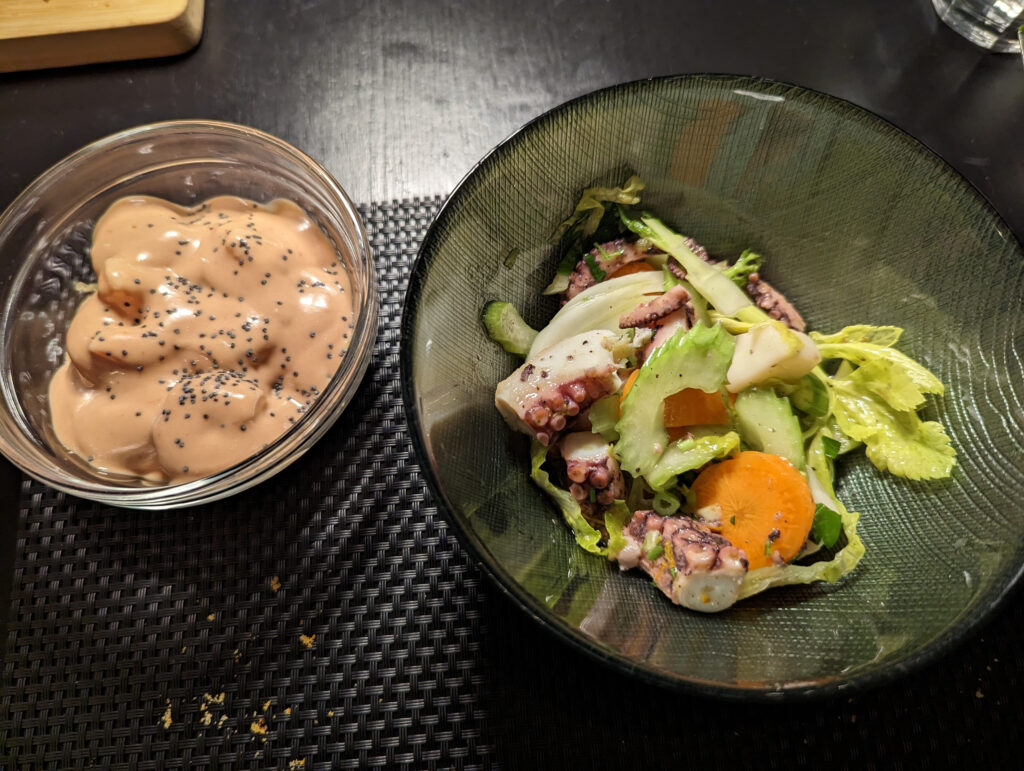
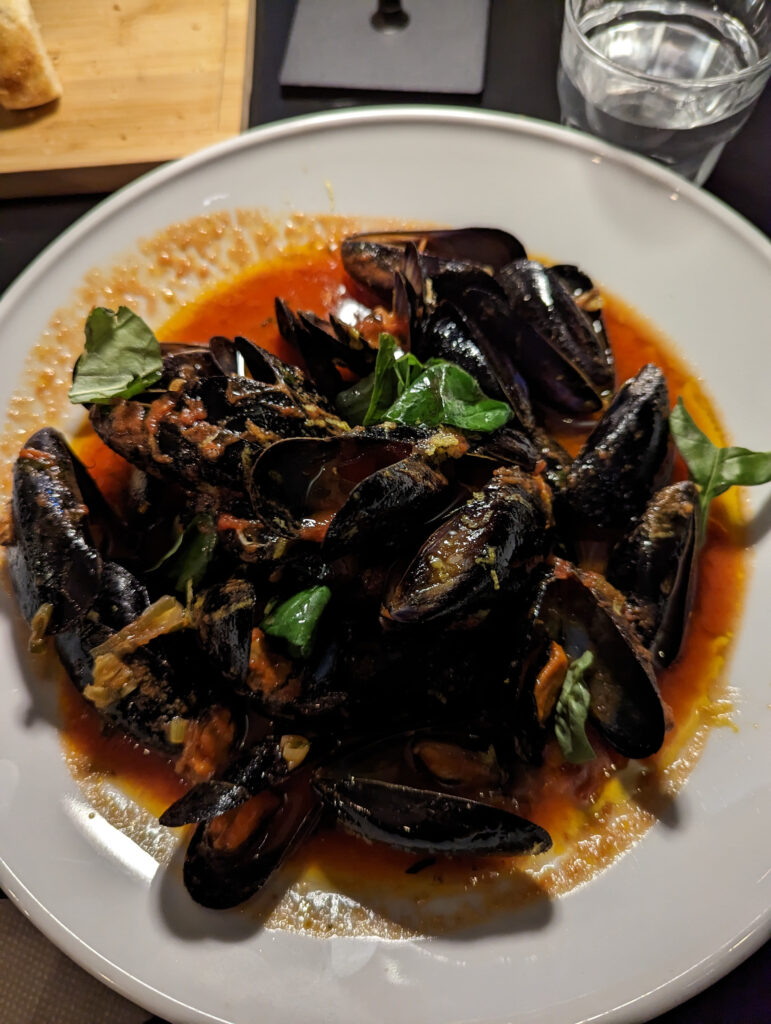
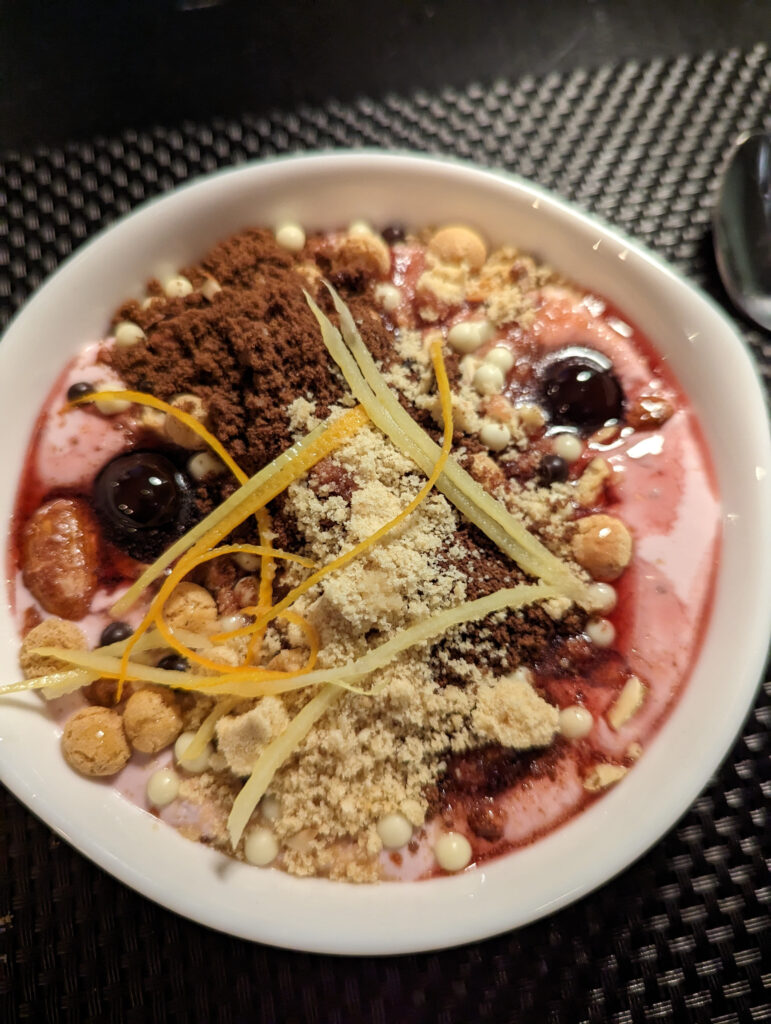
Later that day, Freddy and Stan stumbled upon one of Sicily’s two-Michelin-star restaurants: Duomo. Luckily, they were in time for lunch – a fixed course serving of food, with superstar alcohol to accompany it.
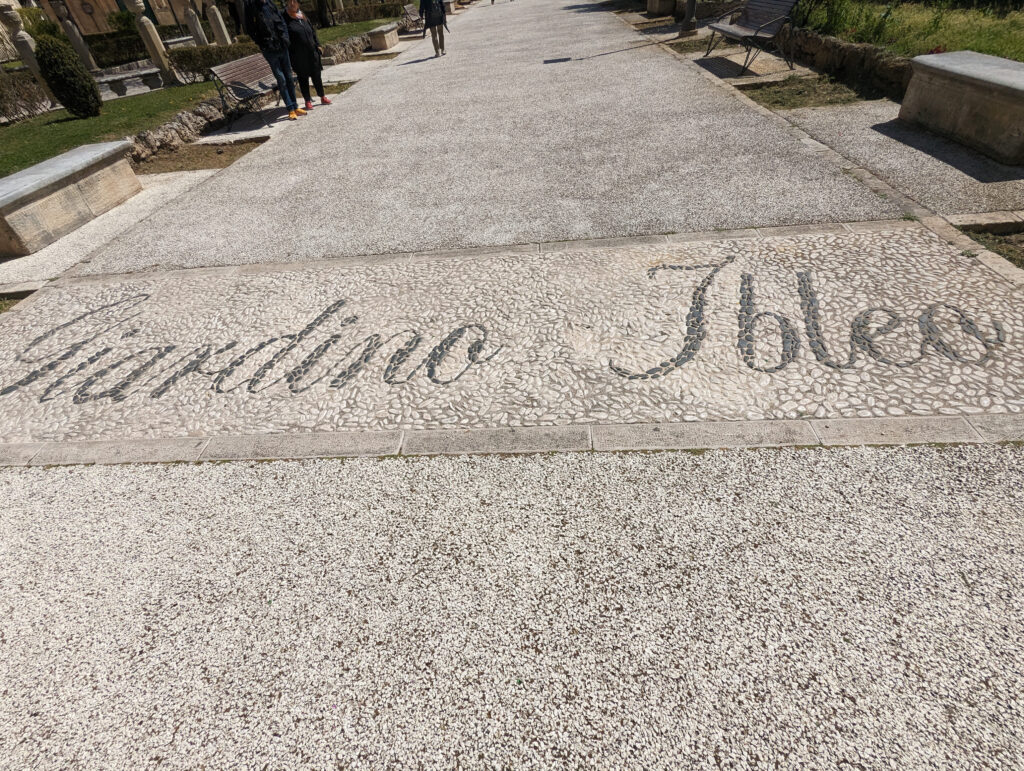
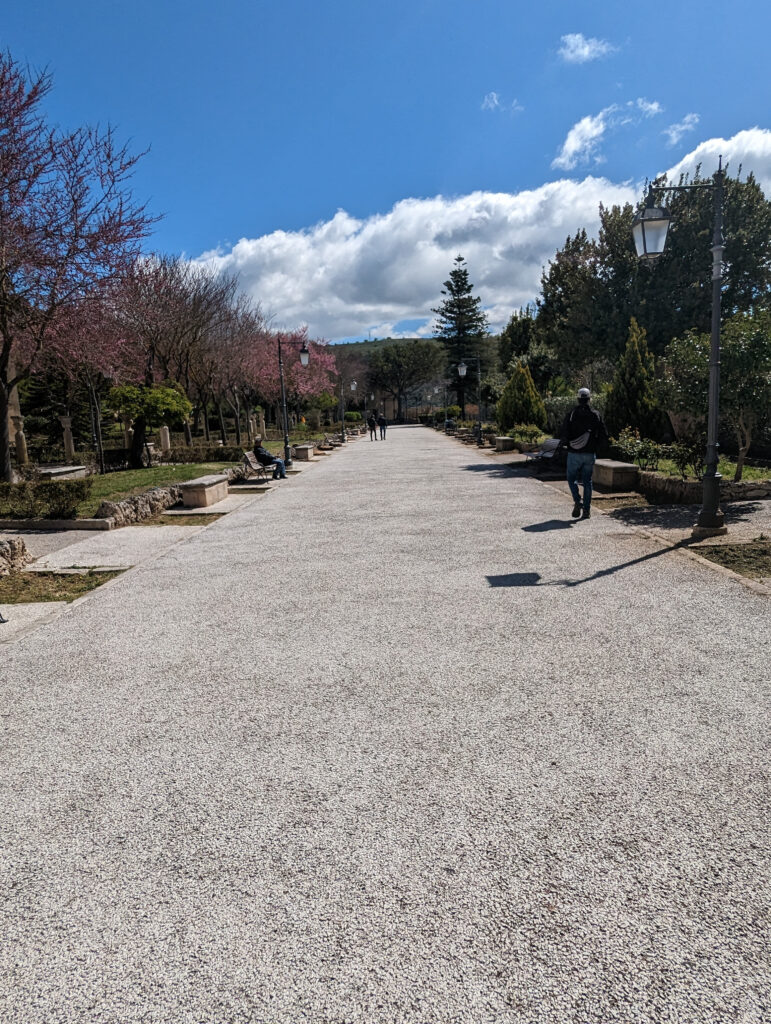
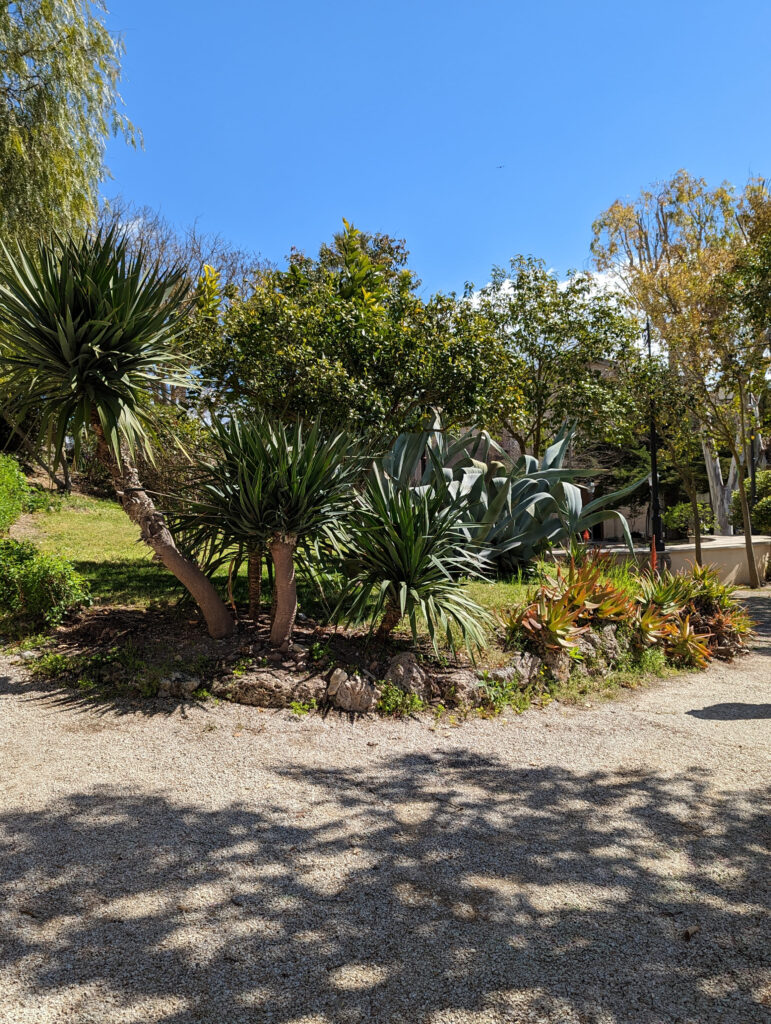
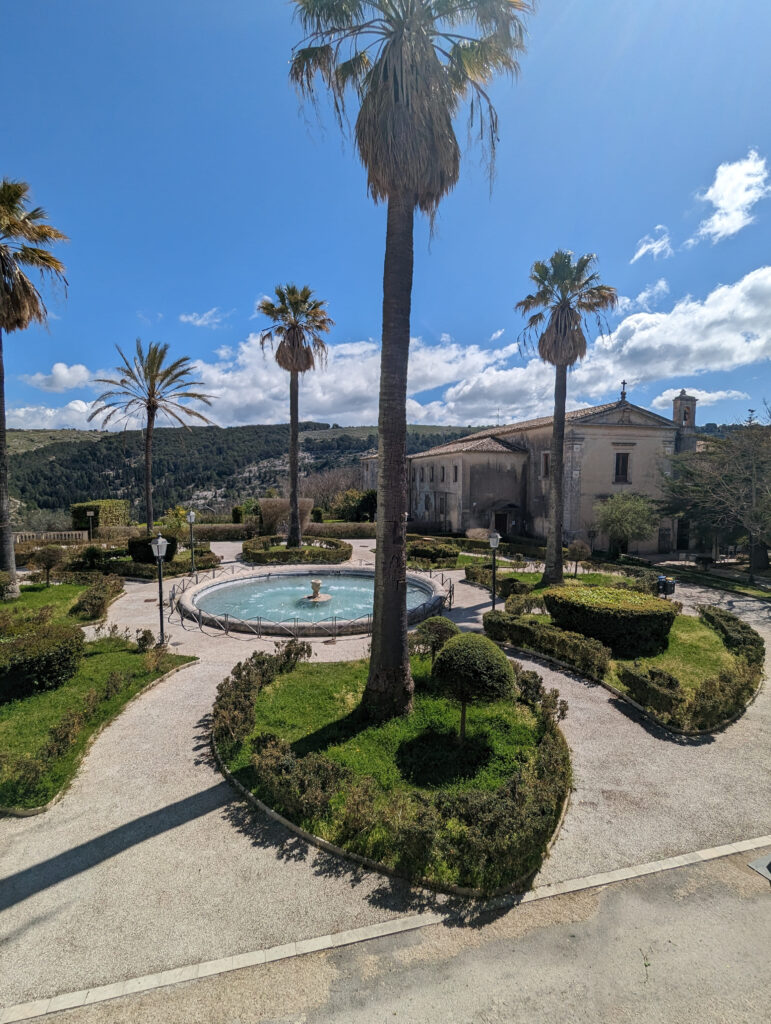
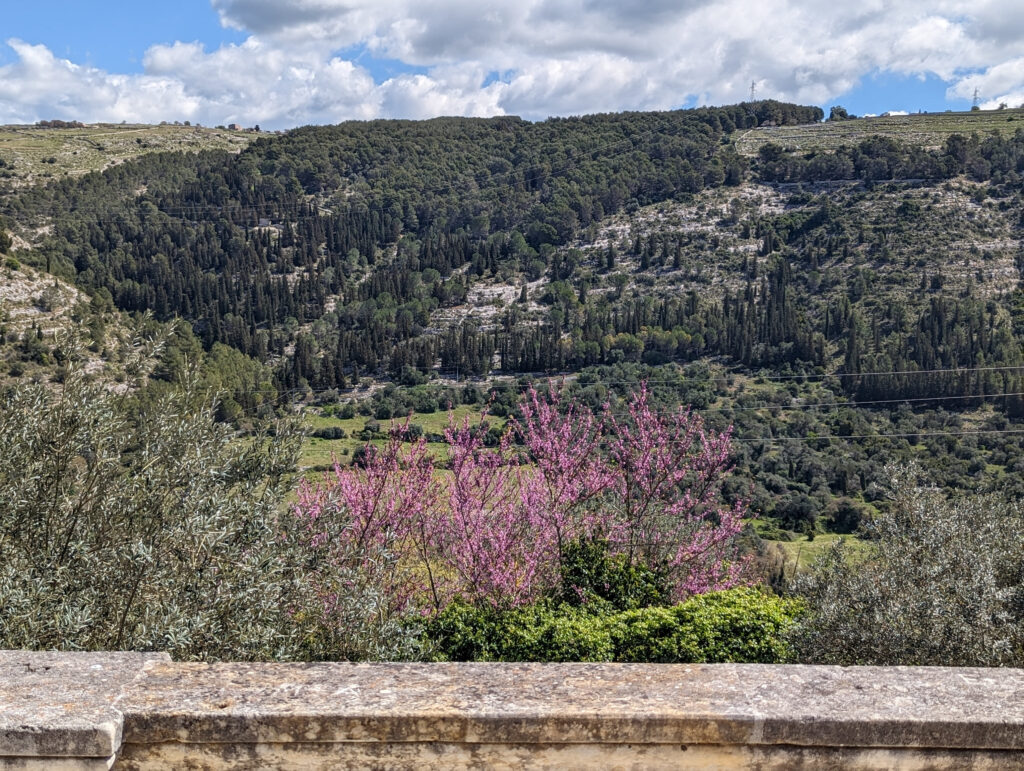
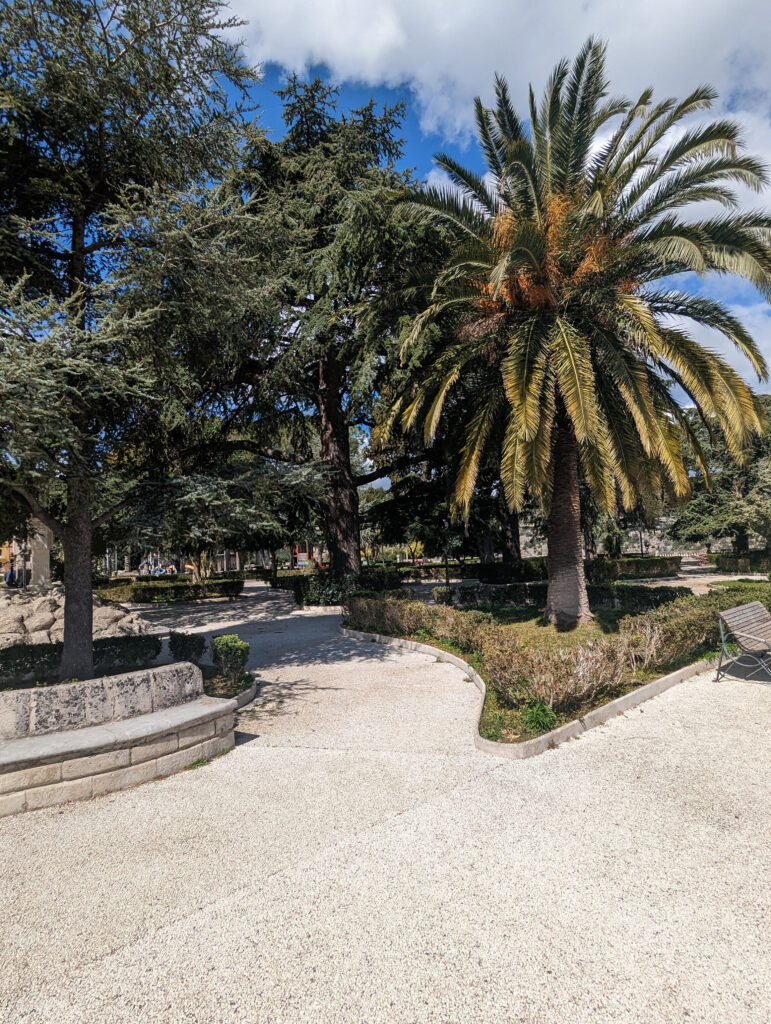
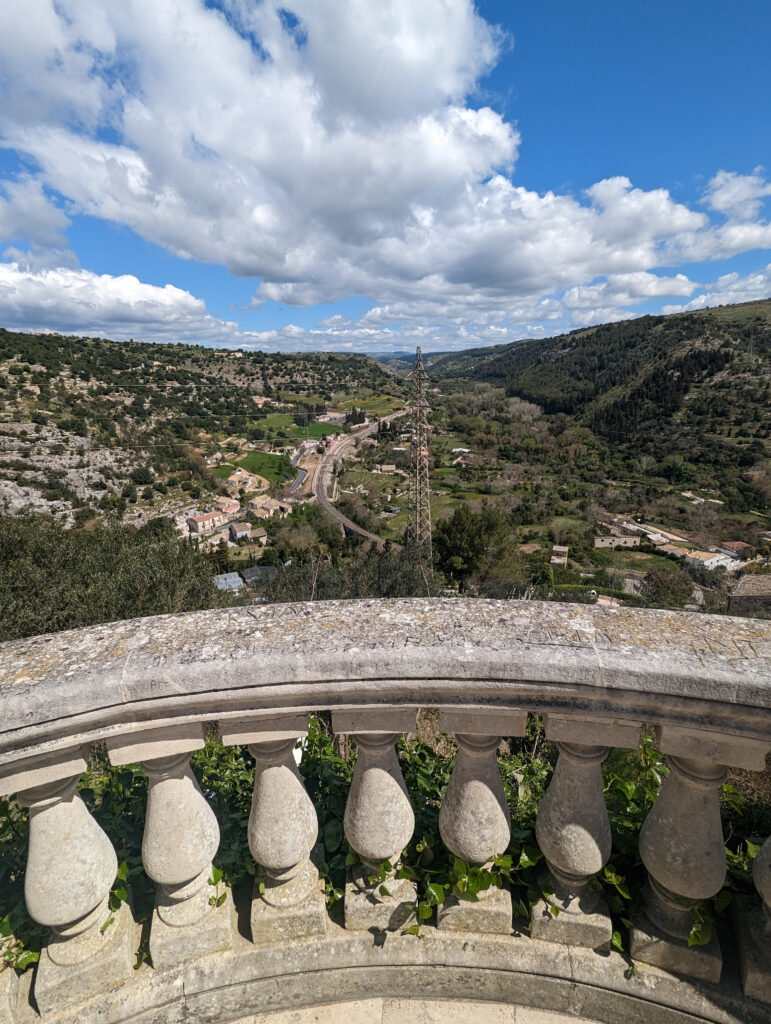
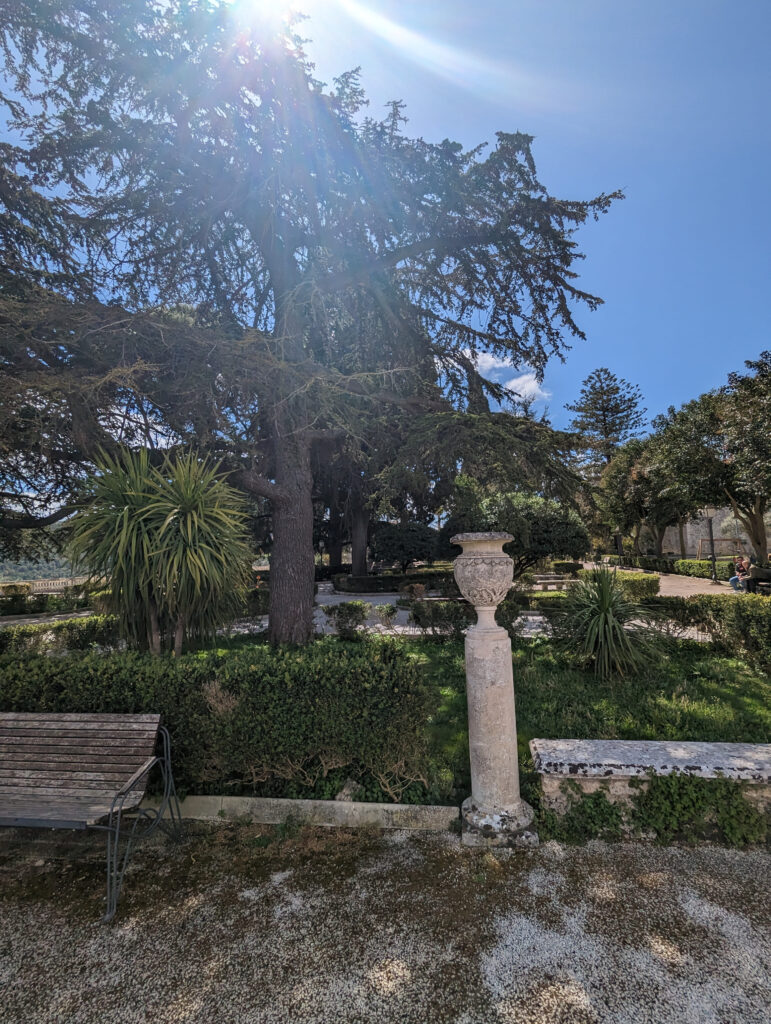
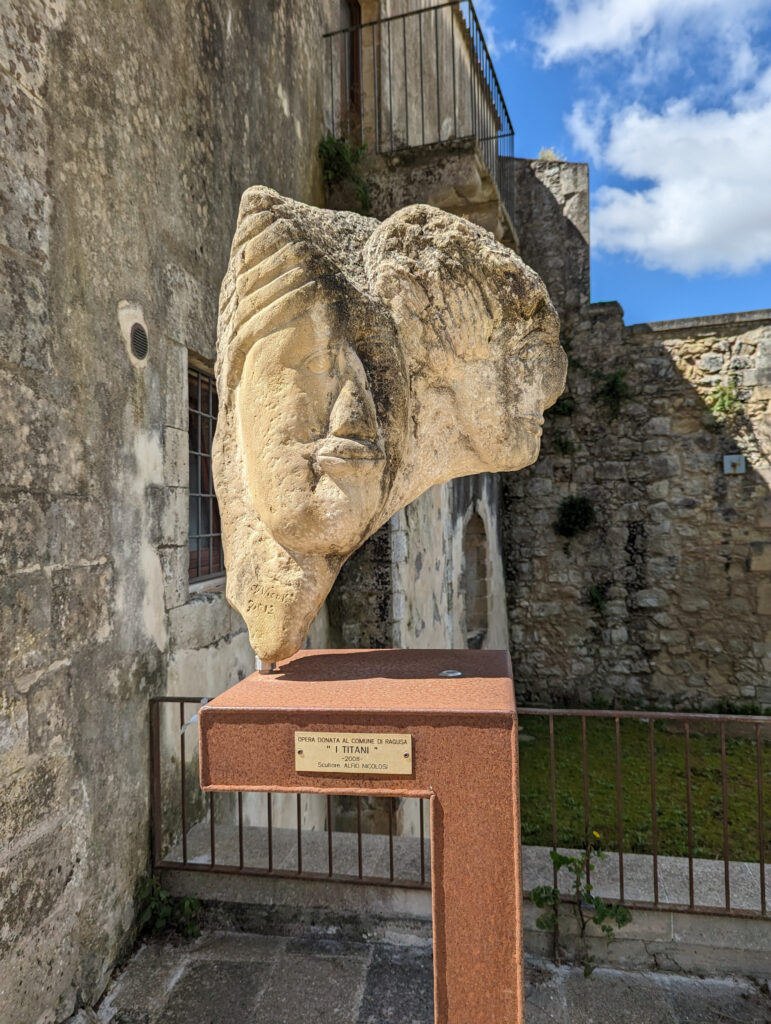
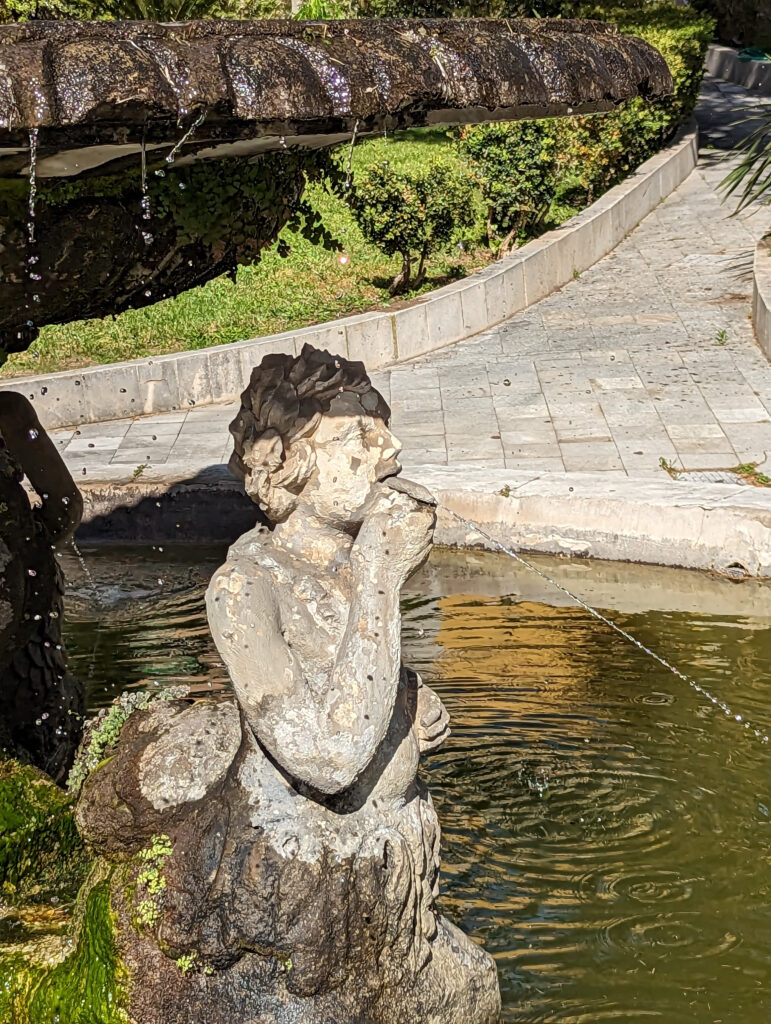
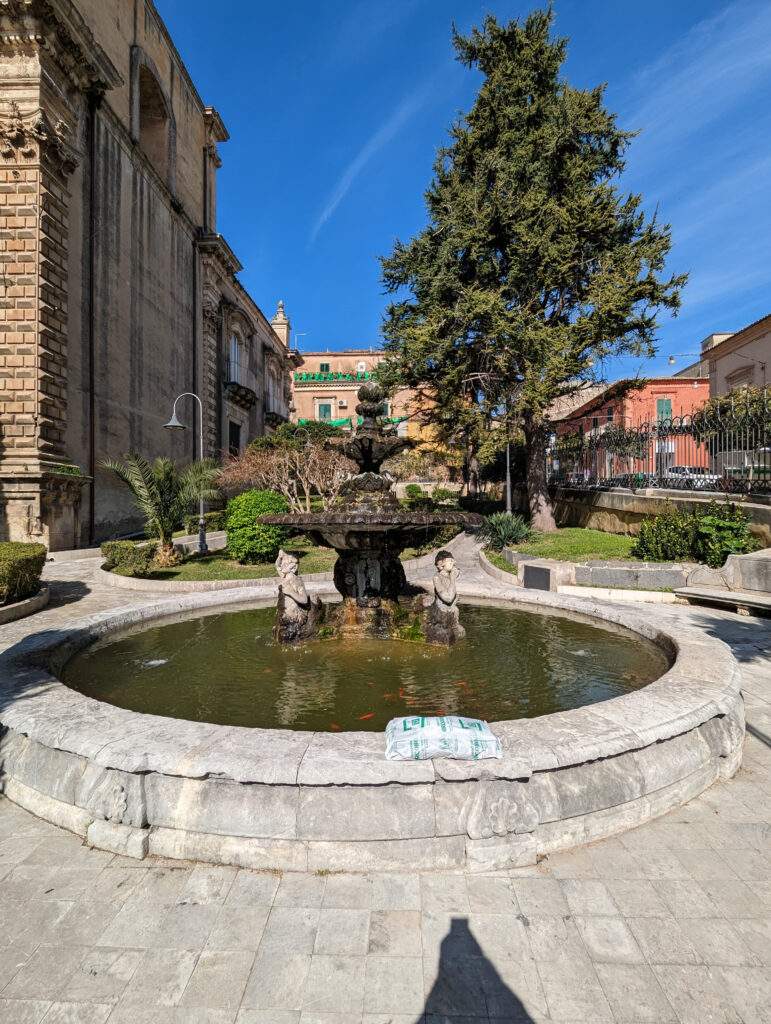
A garden and a fountain:
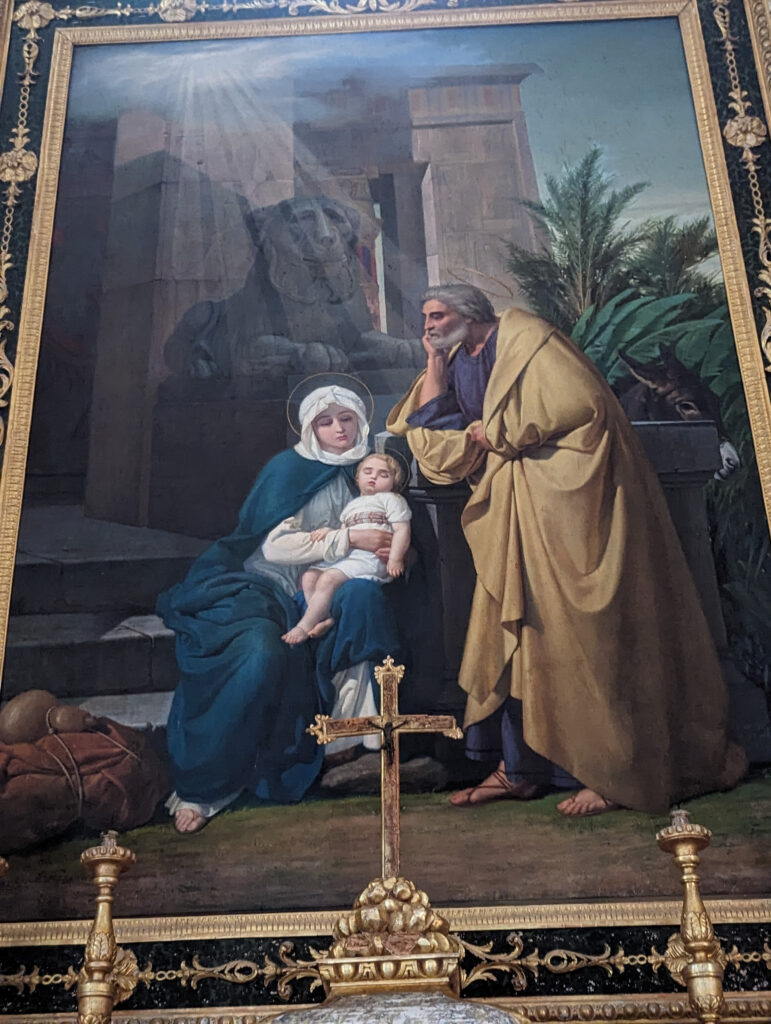
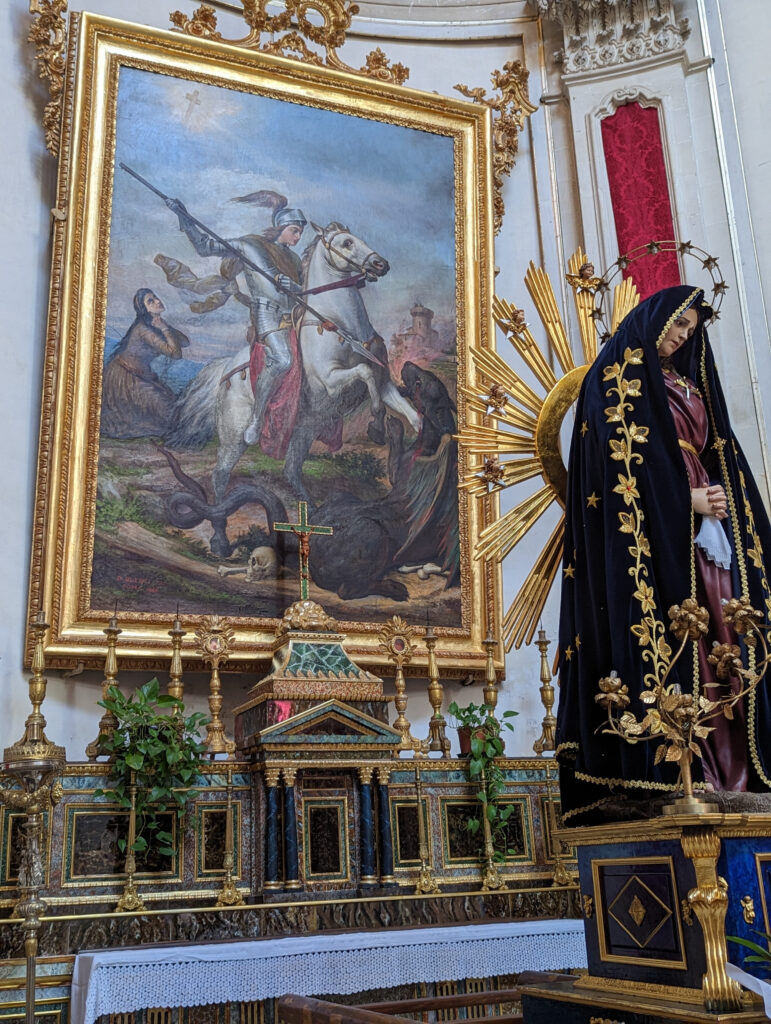
More churches:
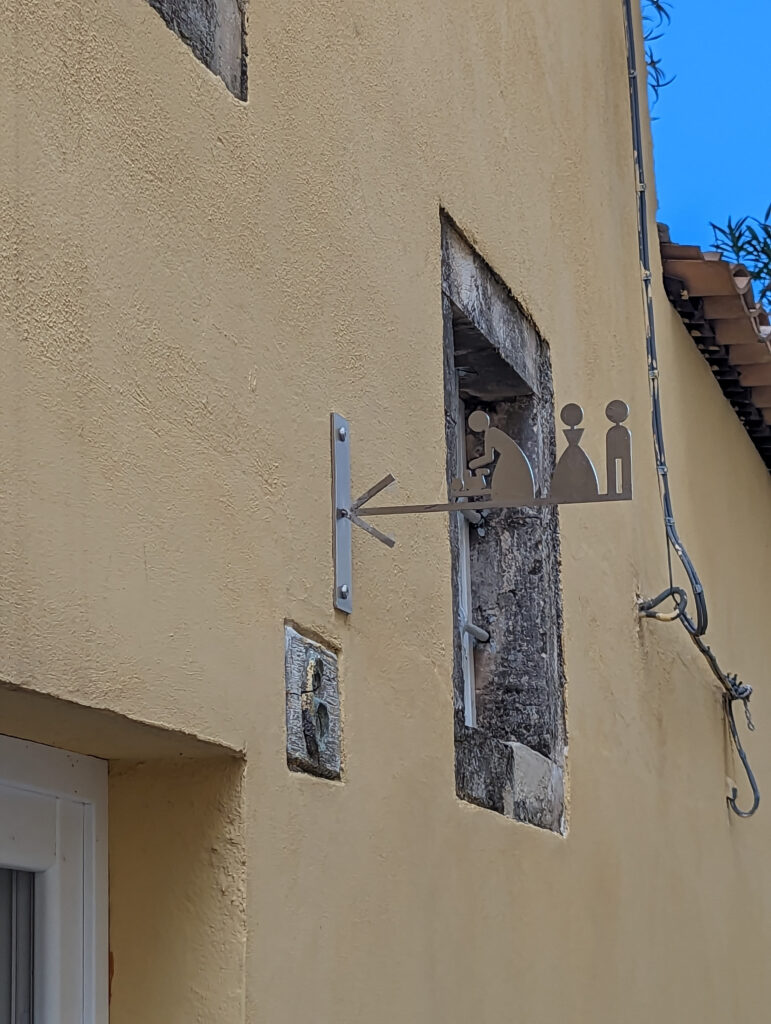
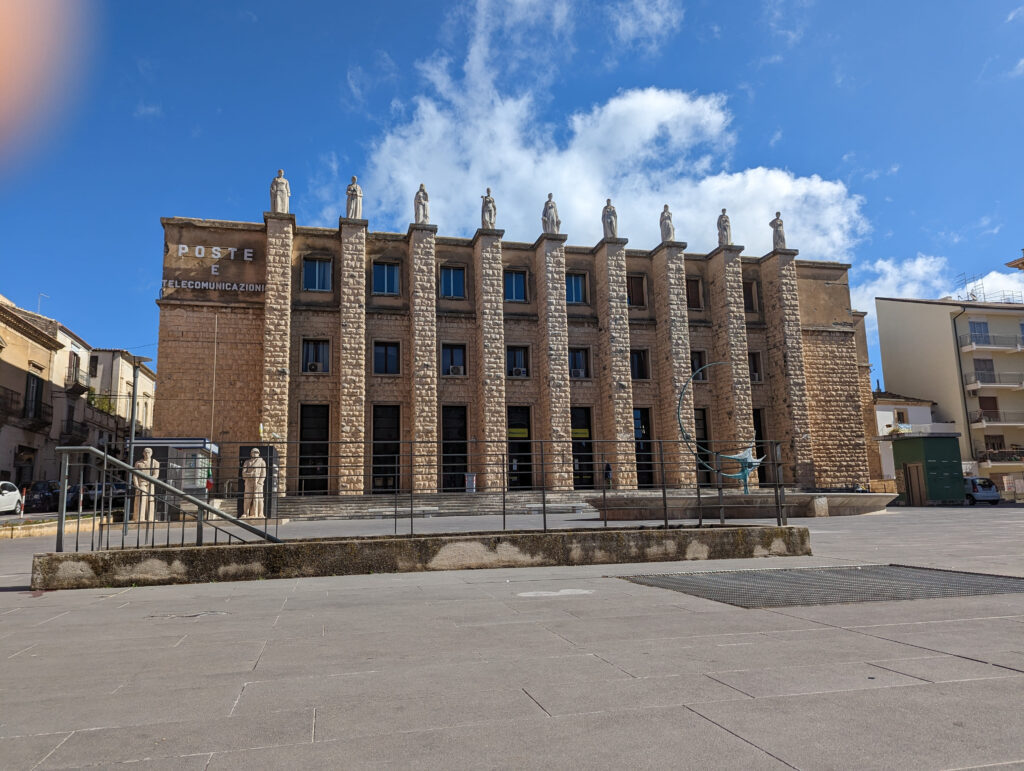
A cool post office:
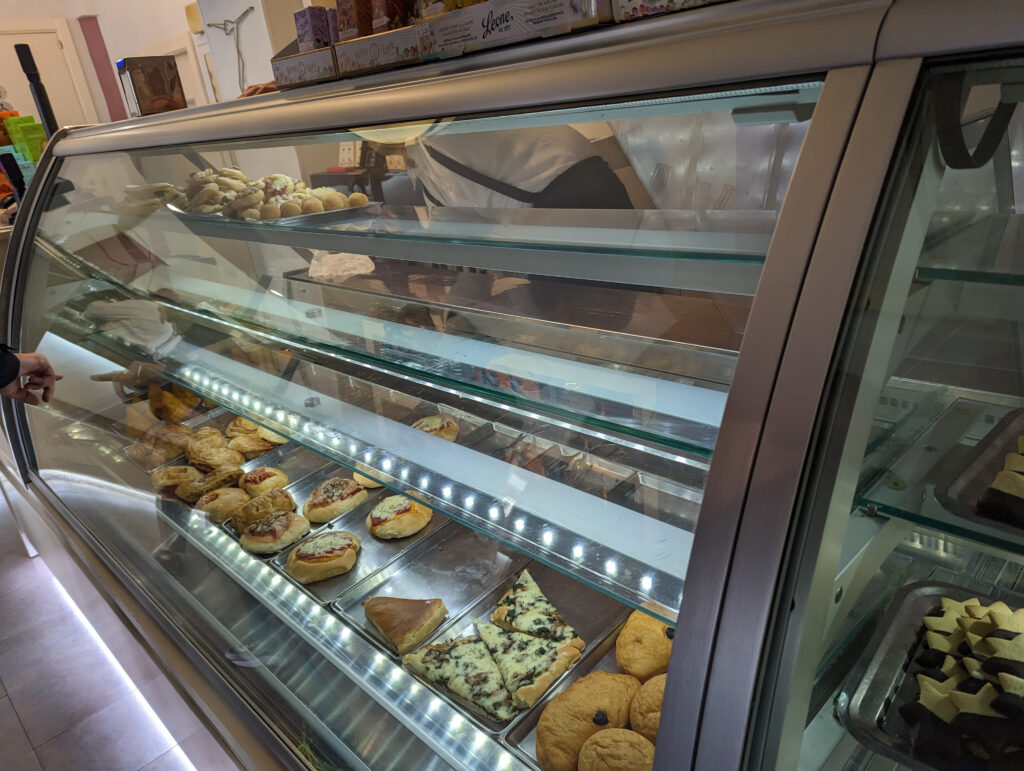
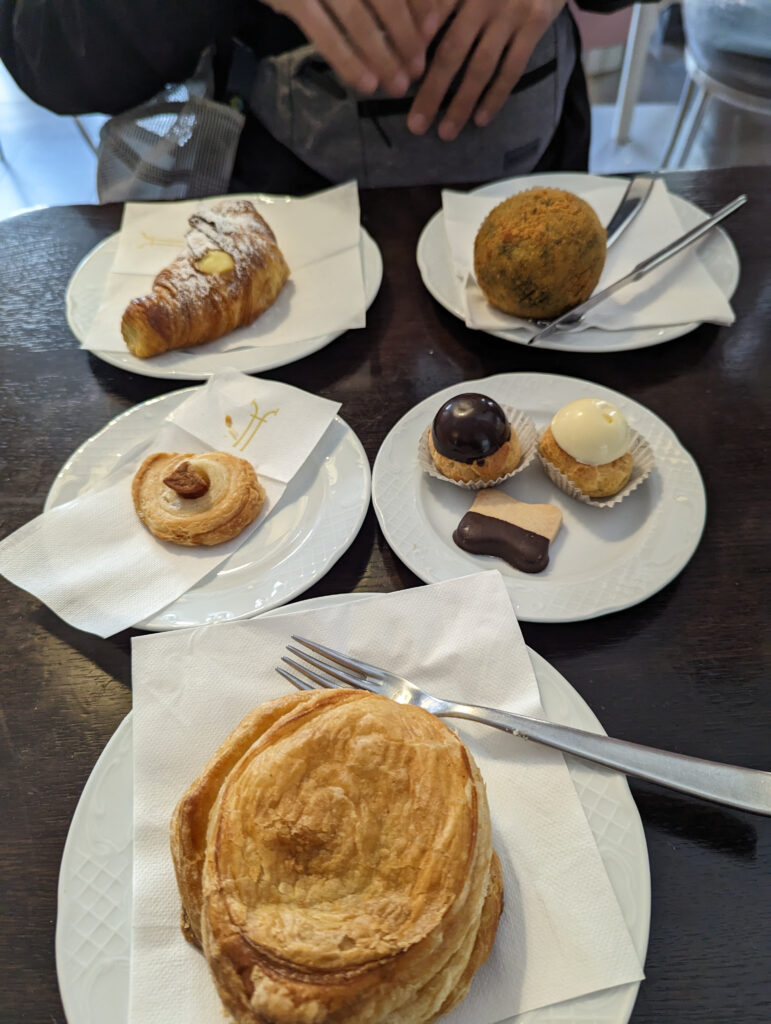
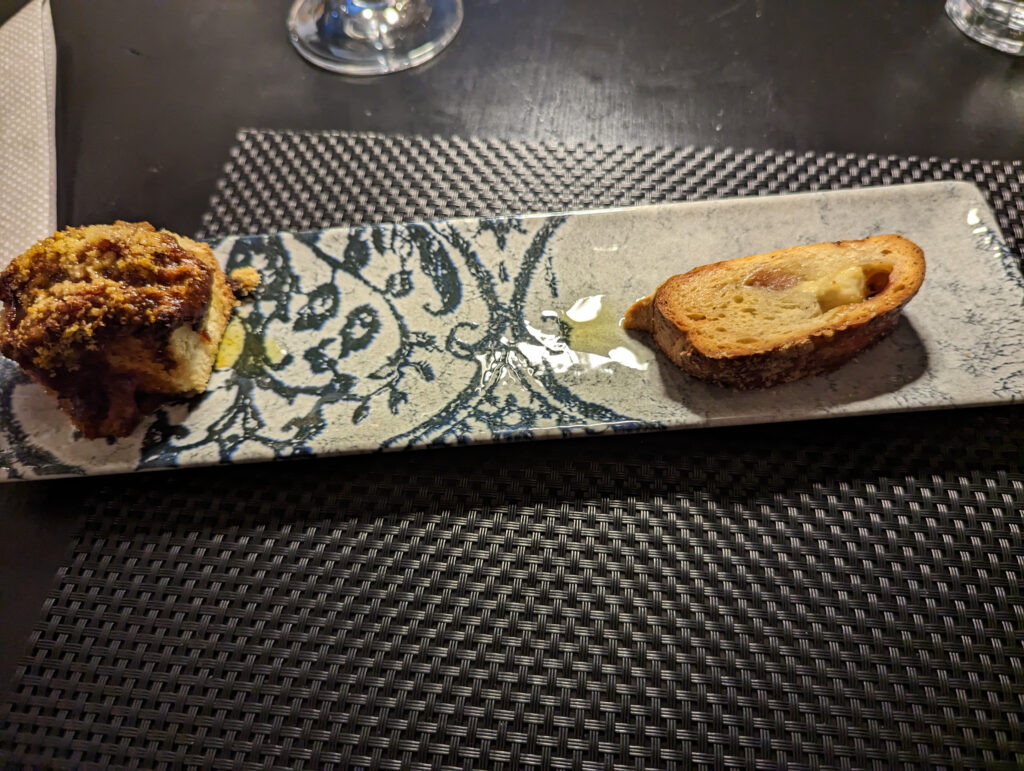
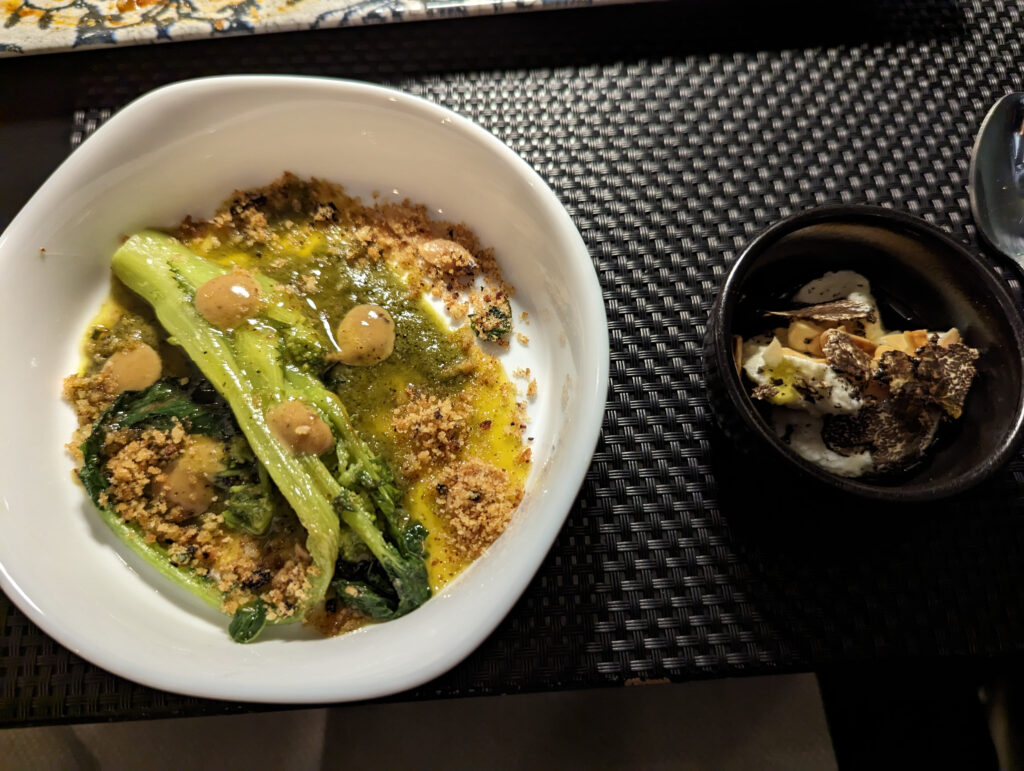
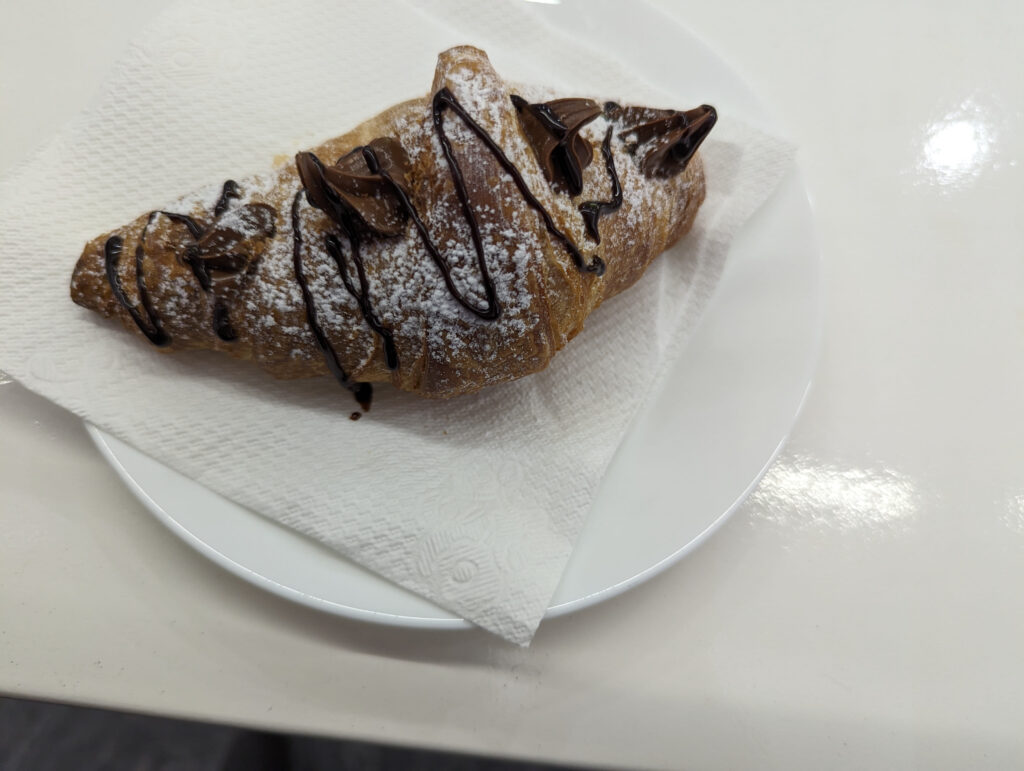
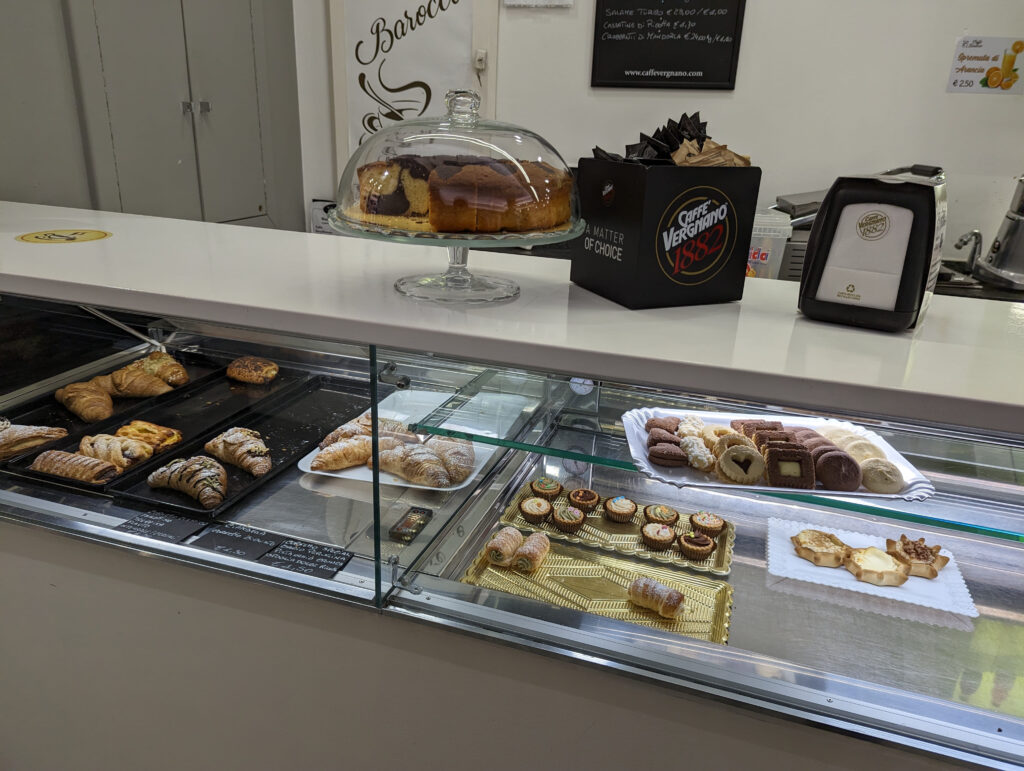
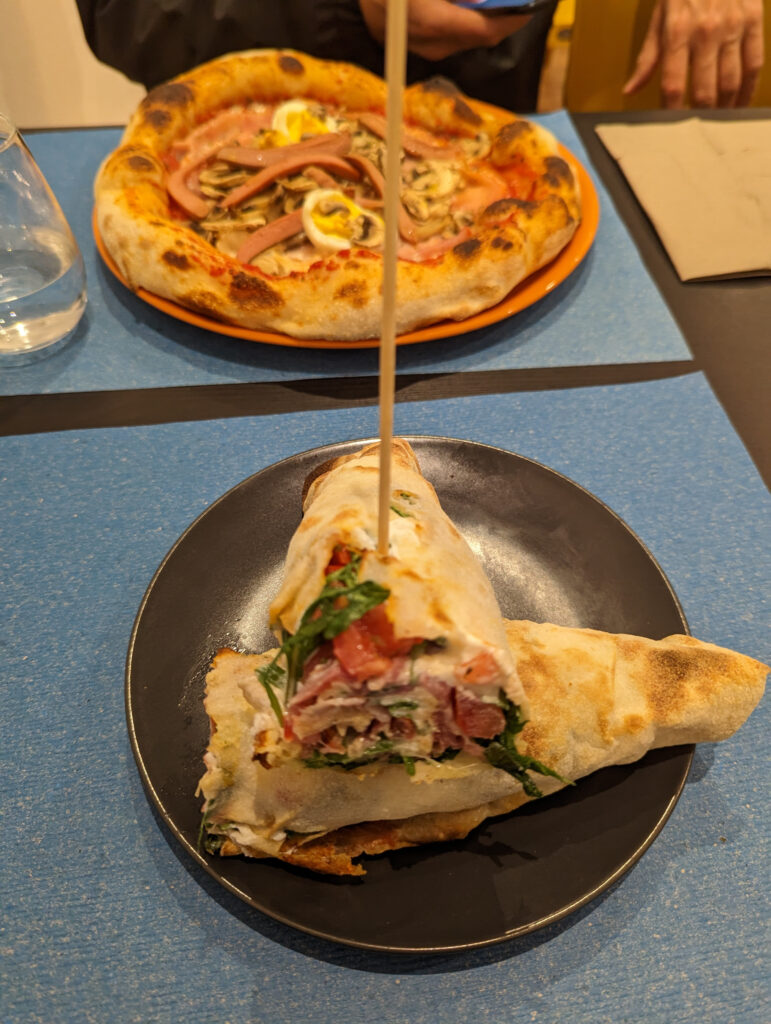
More food:
The duo were glad to have had time to explore Ragusa in some depth, and excited for the short trip to Modica.